
Abdominal Aortic Aneurysm Symptoms: Warning Signs you Should Never Ignore
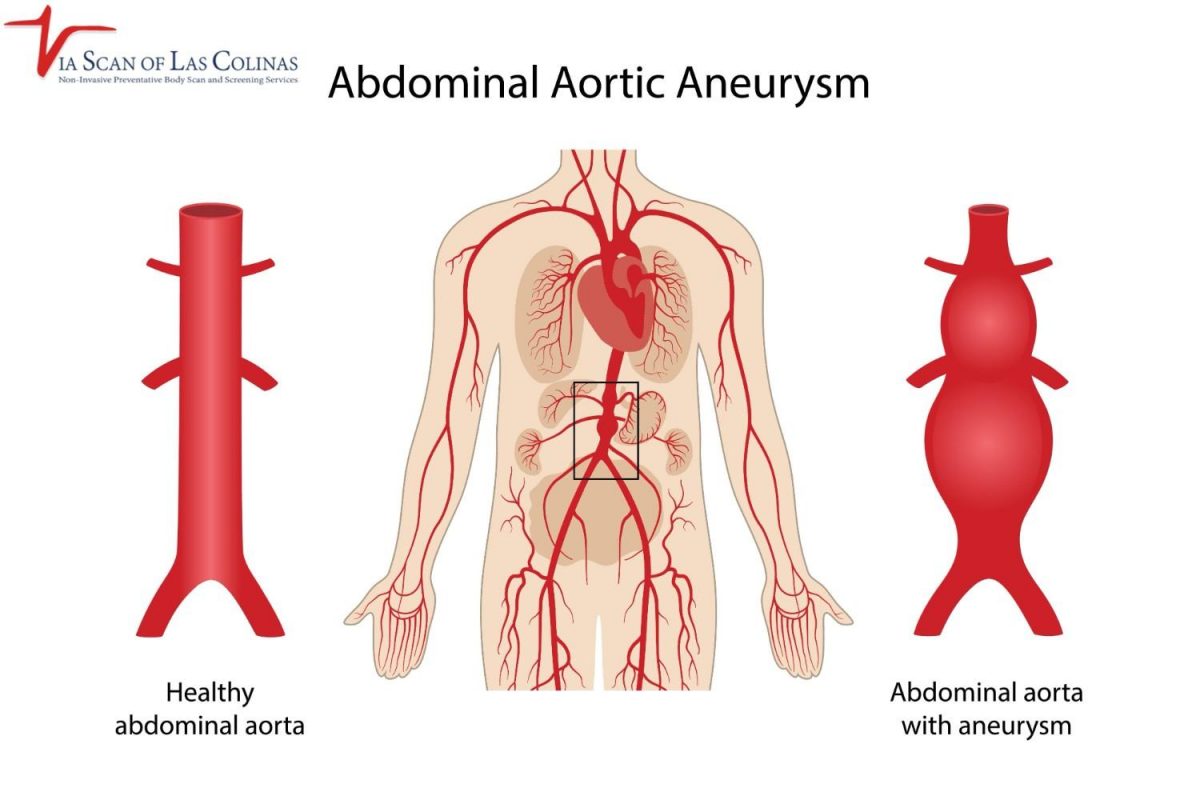

The aorta is the largest blood vessel in your body; it is the one that carries oxygen-rich blood to the other parts of your body. An abdominal aortic aneurysm happens when a part of the aorta in your abdomen is weak and weakens and bulges out like a balloon. This is a severe condition as the aneurysms may develop without any symptoms, and they may burst without warning with lethal effects. Understanding the symptoms of abdominal aortic aneurysms, even the slightest signs, can actually make the difference between saving your life and losing it, as it is time to get medical attention before the rupture happens.
A screening of abdominal aortic aneurysms during the early stages of their development can enable medical personnel to examine aneurysms and prevent the occurrence of emergencies.
What are the initial symptoms of an abdominal aortic aneurysm that human beings should never overlook?
Numerous abdominal aortic aneurysms will never present any symptoms, hence the title of silent killers. Nevertheless, the symptoms should not be disregarded once they come. The symptoms that are common in the early stages consist of some persistent or aching pain located in your abdomen or lower back, a feeling of pressure or fullness in the abdomen, or a pulsating aching feeling below your belly button when lying down.
Some experience a persistent pain that does not resolve in the abdomen or the back. Although these symptoms may be caused by other factors, their occurrence particularly in individuals with risk factors such as smoking, high blood pressure, or a history of family members will necessitate professional examination and screening of abdominal aortic aneurysm to eliminate this life-threatening disease.
Warning Signs of an Enlarging Aneurysm
- Pulsating abdominal mass: To be able to feel a rhythmic pulsing of your abdomen, especially around the belly button, that beats with your heartbeat – this can be a sign of an enlarging aneurysm.
- Unidentified lower back pain: Persistent deep pain in the lower back that cannot be identified as having any specific cause, which does not lessen even when one rests or resorts to customary pain management methods.
What does an abdominal aortic aneurysm pain feel like?
In the cases of an abdominal aortic aneurysm, patients tend to complain of a deep, nagging ache as opposed to sharp or stabbing pain. The pain is normally located in the lower back or the abdomen and might present as a continuous, gnashing pain that does not entirely resolve.
Other individuals say that they experience a sensation of something pressing or pulling in their stomach. As opposed to the infrarenal abdominal aortic aneurysm pain which occurs below the kidneys, an ascending aortic aneurysm produces other symptoms that occur in the chest and not the abdomen. The difficulty lies in the fact that the pain of an aneurysm is somewhat nonspecific and may be confused with muscle aches, stomach problems, or kidney diseases. This is why the diagnostic tool of professional imaging should be taken into consideration to identify the problem properly.
Is it possible that an abdominal aortic aneurysm can occur without any signs?
Yes, and that is why abdominal aortic aneurysms are so dangerous, most of them arise absolutely without any symptoms, and only when they are very large or rupture. The majority of small to moderate-sized aneurysms do not lead to any symptoms at all, and hence screening is essential in people who are at risk. The most common type of aneurysm that may develop below the arteries that serve the kidneys is called the infrarenal abdominal aortic aneurysm and may take years to develop, unless screening is performed. This is a silent course and, therefore, the individuals are usually unaware that something is amiss until a medical crisis occurs or an aneurysm is found during imaging done due to other causes.
Significance of Preventive Screening
Early intervention saves life: a CT scan imaging of abdominal aortic aneurysms can diagnose a aneurysm before the onset of symptoms , which means that the aneurysms can be monitored and treated before the risk of rupture becomes lifethreatening.
The most benefited people are men aged 65 to 75 who have smoked in their lives, a person with a family history of aortic aneurysms, and individuals with atherosclerosis should have a discussion with healthcare providers about screening with the ViaScan whole-body scan.
What are the Symptoms that Can be Observed in Case of an Abdominal Aortic Aneurysm that Starts Rupturing?
Rupturing an abdominal aortic aneurysm is a healthcare emergency that can’t be attended to without emergency care. The symptoms of rupture or impending rupture are abrupt, and dramatic and quite unlike the insidious symptoms of stable aneurysms. these indicators of emergencies can be the only difference between life and death when they are known, and a call is made to 911. Do not wait or attempt to find out whether they improve; immediate medical help is critical to survival.
Emergency Warning Signs
- Severe abdominal or back pain: Sudden, or tearing or ripping, abdominal or back pain that occurs suddenly and is unlike anything one has experienced before.
- Rapid heart rate, lightheadedness, weakness, or fainting; your heart is racing, you are feeling lightheaded, weak, or faint as if someone were bleeding inside you.
- Clammy Skin and Unconsciousness : Sweat, Pallor or Bluish skin color, confusion or passing out, these are symptoms of shock caused by serious internal bleeding that has to be treated as an emergency.
The Importance of Early Detection.
Since the majority of the abdominal aortic aneurysms are asymptomatic until they attain a dangerous size or rupture, proactive screening is of paramount importance to high-risk patients. CT scan imaging provides clear and detailed images of the aorta, measuring the size of aneurysms more precisely and assisting medical professionals in making appropriate contemplations of which strategies to follow during monitoring or intervention. In contrast to ascending aortic aneurysm, which involves the chest part of the aorta, infrarenal abdominal aortic aneurysm diagnosis requires abdominal imaging of the lower part of the aorta, which is well seen.
Choose Our Preventive CT Scan
Early Detection Saves Lives!
-
- Accurate
- Quick Result
- Affordable

Conclusion
This silent condition can be detected at an early stage with the help of abdominal aortic aneurysm screening before it becomes fatal. We offer progressive CT and heart scan services, and full body scan services in ViaScan, located in Irving, TX, which help detect abdominal aortic aneurysms and other severe diseases during preventive screening of our health conditions.