
IMPROVISING BETTER SOLUTIONS
Our Scans
Preventive CT imaging in Irving, Texas
Choose a scan below to learn what it shows, who it is for and how to prepare.
Wellness Body Scan
Your health is your most valuable asset, and protecting it begins with education. Your best bet for discovering any possible health problems before they become serious ones is a wellness body scan. This non-invasive and painless procedure at low cost imaging center provide a thorough examination of your whole body. The scan can provide information about selected areas of the body that can support discussions with a healthcare professional about further evaluation. You better go for the wellness scan instead of waiting for the symptoms to show up.


Heart Scan
A calcium scan is most useful for adults aged 40 to 75 without symptoms whose heart risk is uncertain; if you have chest pain or other symptoms, see a doctor. The scan helps doctors identify calcium deposits in the coronary arteries, which can indicate the presence of plaque buildup. It uses a special type of CT scan to measure the amount of calcium in the heart’s arteries. The results are reported as a calcium score, which helps doctors understand the level of potential heart disease risk.
Lung Scan
Every breath you take matters for your health. Lung cancer may develop without noticeable symptoms in its early stages. A lung scan provides detailed images of the lungs that can help identify findings such as lung nodules or other abnormalities that require further evaluation. The scan is non-invasive and painless, and the imaging protocol is selected to provide the necessary diagnostic information while using an appropriate level of radiation. Low-dose CT lung cancer screening is recommended once a year for adults aged 50 to 80 with a 20 pack-year smoking history who currently smoke or quit within the past 15 years.

Angiogram Scan
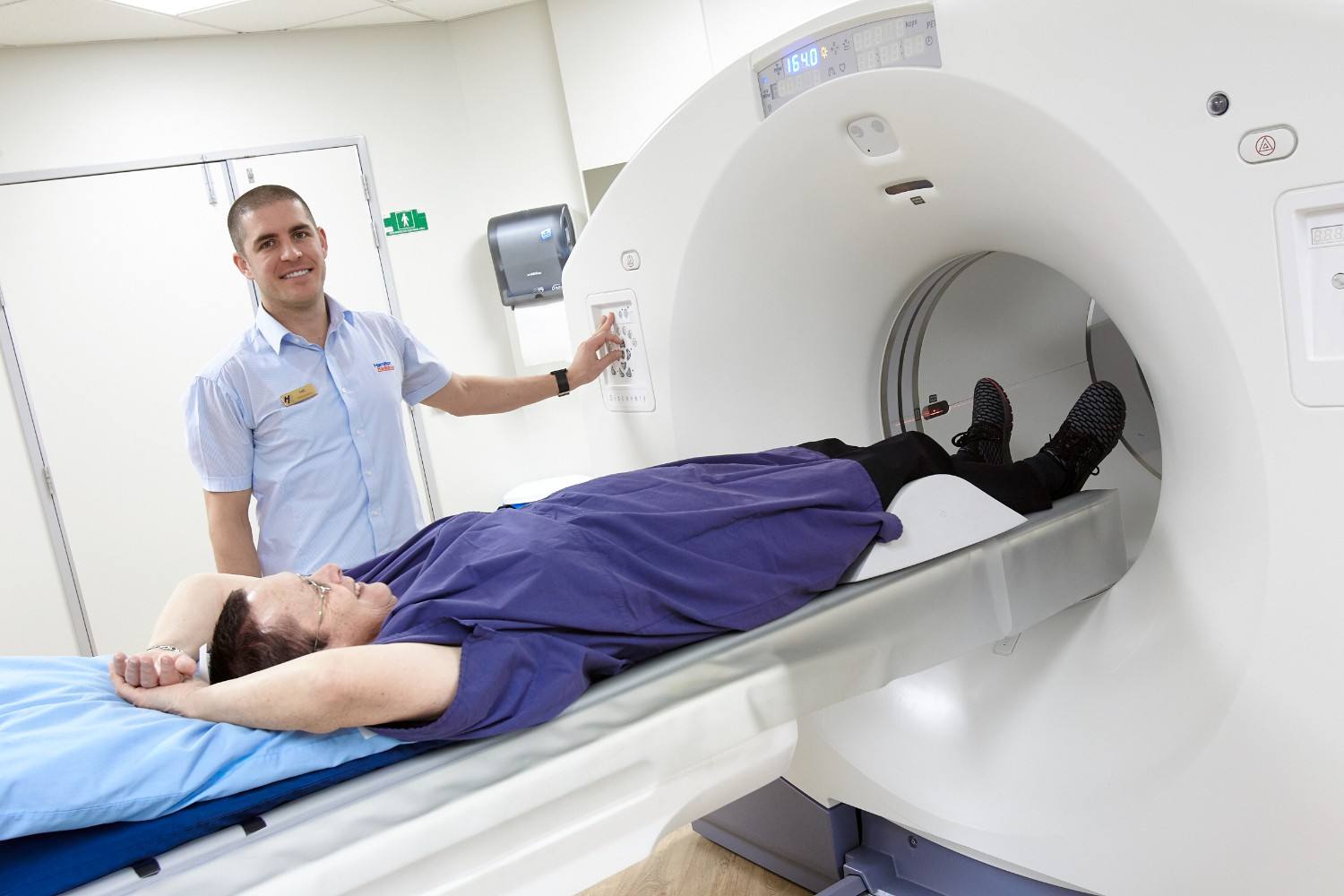
ViaScan offers coronary CT angiography, which uses contrast dye and CT to show the inside of the heart’s arteries; eligible scans can include Cleerly plaque analysis. CT angiography may be used to evaluate certain vascular conditions and provide detailed images that can help healthcare professionals assess blood vessels. Because CT angiography is non-invasive, it generally does not require a catheter to be inserted into an artery, although some examinations may involve intravenous contrast material.
Colonoscopy Scan
CT colonography, also known as virtual colonoscopy, can help detect polyps and other abnormalities that may require further evaluation or removal through conventional colonoscopy. The examination can help identify findings that may require follow-up evaluation or treatment by a healthcare professional. Colon cancer screening is recommended from age 45 for people at average risk.


Bone Density Scan
Our remarkable bone density scan provides essential insights into bone strength, recognizing the potential dangers of fractures and osteoporosis. Throughout the procedure, we prioritize your comfort by providing a non-invasive and quick assessment.