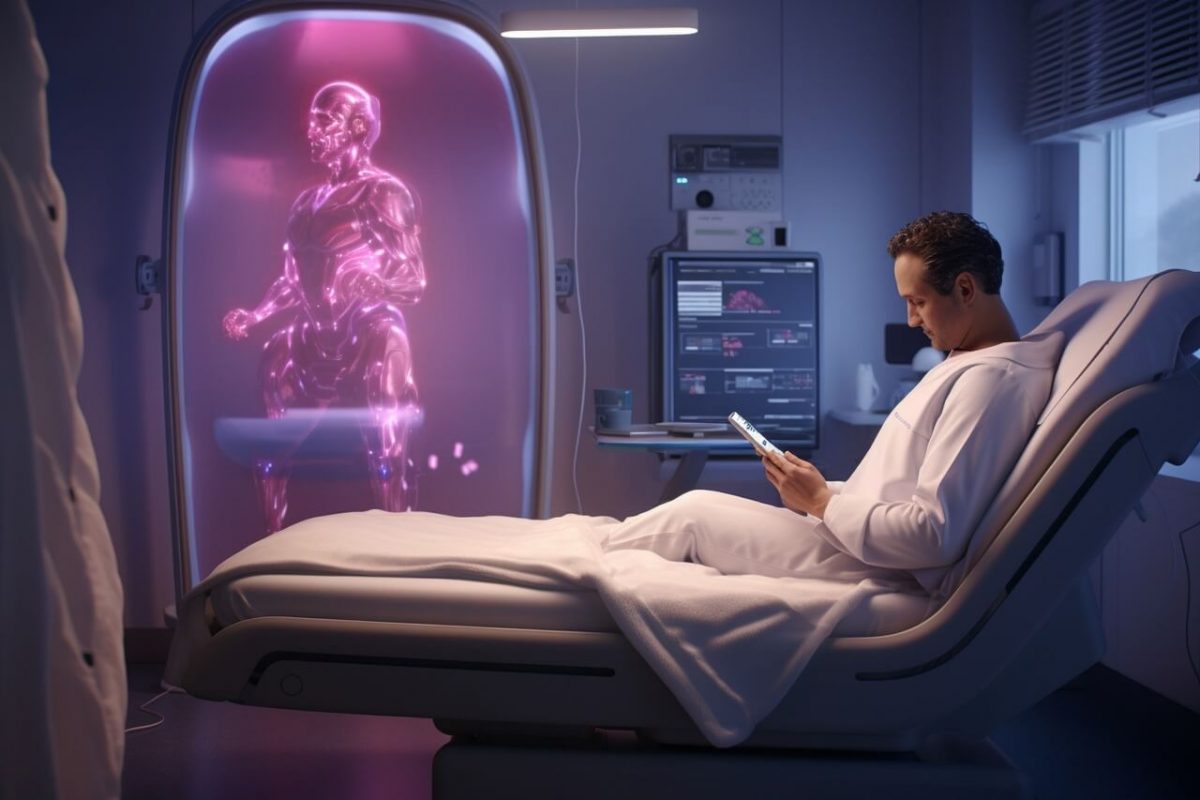


In the field of diagnostic and therapeutic medicine of the present day, the ability to have a look at the body from the inside has become truly invaluable. Medical scans refer to a wide category of techniques that medical practitioners and technicians use to visualize disorders, starting from fractures to tumors. Technologies such as these have become crucial in healthcare systems where such assessments can be made without invasive procedures. Learning about the various types of scans that are out there is important in today’s diversified healthcare system, and the features and uses of each should be considered.
What are some examples of imaging tools which doctors make use?
There are common medical imaging techniques that are practiced by doctors who diagnose and treat diseases. These tools fall into several categories, including:
- X-rays: The least expensive and one of the oldest forms of imaging, X-rays were created to capture pictures of bones and some organs. They can easily diagnose fractures, infections, and tumors.
- Ultrasound: Noninvasive and using high-frequency sound waves, ultrasound produces real-time images of soft tissues and organs. It is preferably utilized for obstetrical, cardiovascular, and organ evaluation in the abdominal region.
- CT Scans: Computed tomography (CT scans) are multiple X-ray pictures of the body taken together to create cross-sectional images. They are most useful for diagnosing chest and abdominal pathologic processes and are also very helpful in diseases of the pelvis.
- MRI: Magnetic Resonance Imaging (MRI) does not use ionizing radiation; it works with the power of magnets and radio waves, which is highly effective for soft tissue, neurological, musculoskeletal, and oncology diagnosis.
All of these different types of imaging are essential to the modern medical world and provide accurate data for medical practitioners to make concrete decisions.
Different types of CT Scans
Computed tomography scans, or CT scans, have several types, all of which are used for several diagnostic procedures. Here are some of the different types of scans for the body that can be performed using CT technology:
- Standard CT Scans are the simplest and give detailed pictures of parts of the body, such as the belly, thorax, or loins.
- CT Angiography: This type of scanning visualizes blood vessels so doctors can identify areas of aneurysm or blockage. Contrast dye is normally used to improve visualization of certain parts of the body.
- CT Colonography: This is also referred to as virtual colonoscopy and uses low-dose CT images of the air-filled colon and rectum with the goal of detecting polyps or cancer.
All kinds of CT scans fit into the defined clinical questions and are an integral part of modern diagnostic imaging.
How do MRI and CT scan technologies compare to ultrasonography?
This comparison of X-ray, ultrasound, MRI, and finally, CT scans shows that these technologies differ in terms of imaging capacity, usage, and constraints.
- MRI vs. CT Scans: MRI is ideal for imaging soft tissues and neurological and musculoskeletal structures. However, it normally takes longer and is more affected by the patient’s movement. Plain CT scans, on the other hand, are good at defining bones, rapid, and often preferred for injuries and emergencies
- Ultrasound is entirely different from MRI and CT scans in that it uses sound waves to create the images. It is very useful when performing a scan on pregnant women and any other soft tissues and organs. The ultrasound procedure is quite mobile, not as costly, and doesn’t inflict radiation on patients, thereby becoming beneficial for many clinical situations.
To sum up, different imaging techniques are useful at various times depending on the main goal. The decision about which of them should be used in practice depends on the clinic’s specific features and the diagnostics required.
Conclusion
It is very important to try to make decisions with your health at stake, so knowing the types of medical scans currently available in the market is very important. From X-rays and Ultrasounds to CT and MRI scans, each step has a specific purpose in diagnosing an illness. These technologies will continue to be crucial in the development of healthcare as it progresses in the future. ViaScan of Las Colinas offers CT-based preventive imaging, including coronary calcium scoring and low-dose lung screening; call (972) 739-2840 to find out which scans are available. To get a better picture of your health status, we use advanced imaging technologies and staff who focus on providing for your unique healthcare needs. Do not wait to find out how we can help you pursue your state of well-being with innovative imaging devices.