
Why a Pelvic Scan Is Important for Women’s Health
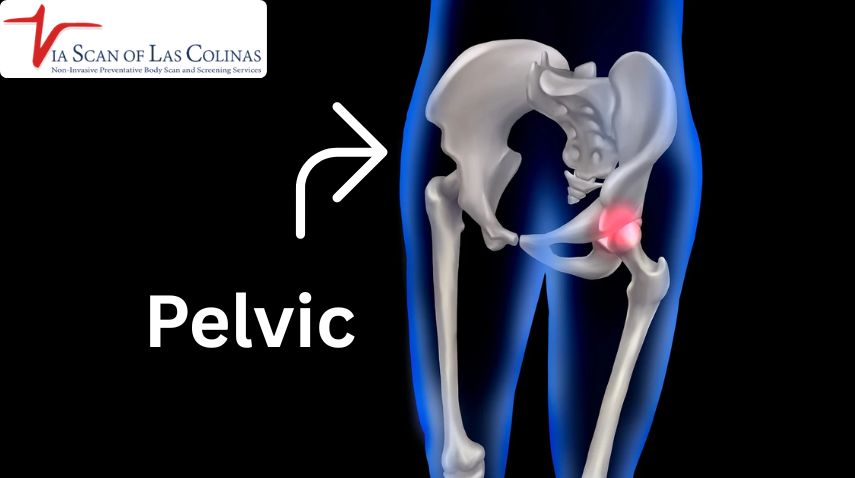

Being health conscious is to keep an eye on what is going on in your body, particularly in those parts that cannot be seen or felt until you get into serious trouble. Pelvic health is an important component of wellness among women, which is usually ignored until they experience the symptoms.
A pelvic scan is a non-invasive diagnostic procedure that enables medical practitioners to have a clear picture of the pelvic organs within your pelvis and these include uterus, ovaries, fallopian tubes as well as bladder. This is a non-invasive imaging test that is significant in the early detection of gynecological diseases, the surveillance of well-known conditions, and a well-established information that can be used to inform medical practice. In Irving, TX, ViaScan is a professional pelvic imaging facility that answers the needs to monitor the health of women with quality, comfort, and care. And now we shall discuss the reasons why pelvic scans are important and when you think you might need one to protect your own health.
What is the significance of a pelvic scan to preserve and safeguard the health of women?
In your pelvic area, you have a number of important organs which are monumental in matters regarding reproductive health, urinary, and general health. These organs are located deep within your body and the medical practitioners cannot possibly do a physical examination to assess them.
The pelvic imaging gives a direct view to this important region enabling radiologists and physicians to observe the size, shape, position, and structure of organs with incredible focus. Being a non-invasive diagnostic procedure, pelvic imaging has no radiation hazard on the human body when done with the use of the ultrasound technology and does not necessitate any surgical operation or post-procedure recovery. Pelvic imaging is usually ordered by a doctor to look into symptoms or follow up a known condition.
Early Diagnosis of Gynecological Disorders.
Probably the most important advantage of pelvic scans is the early identification of the gynecological problem. Numerous severe gynecological disorders such as the ovarian cysts, fibroids, endometriosis, and even the early cancers do not result in any symptoms during the initial stages of their progression. Conditions will have advanced to a more serious level, though, by the time the symptoms present themselves and are difficult to treat. Pelvic imaging done prior to the onset of symptoms, or the first indication of some insidious developments provides medical practitioners with the chance to detect these conditions at the most manageable stage. Pelvic imaging adds diagnostic detail beyond physical examination alone, and therefore is useful as a part of the full preventative healthcare.
What are some of the conditions that a pelvic scan can be used to identify in women?
Pelvic imaging has the ability to detect a very diverse spectrum of gynecological and urological problems in women of all ages. Through reproduction issues affecting young women to the changes in the old age, the pelvic scan offers diagnostic information throughout the entire life of a woman. Regular imaging and early detection of gynecological problems assists the healthcare professionals to be aware of the conditions developing, evaluate them over time, and make the correct decisions when further assessment or medical treatment can be necessary. The Via scan professional pelvic imaging services in Irving, TX, assist in carrying out comprehensive check-up of the well-being of women by performing precise and detailed imaging by the skilled radiologic technologists.
Ovarian Cysts, Fibroids, and Tumors.
- Ovarian cysts: Pelvic imaging easily defines fluid-filled sacs on or inside the ovaries, which assist the healthcare provider to identify the size, type, and necessity of monitoring or follow-up of cysts. Many cysts are non-dangerous and usually resolve by themselves, but some cysts demand closer consideration.
- Uterine fibroids: Non-cancerous muscular proliferations of the uterine wall are very common and in the majority of cases they do not cause any symptoms at all – pelvic examinations reveal the presence, number, size, and location of the fibroids which can then be used to interpret symptoms such as heavy periods or pelvic pressure.
- Masses and tumors: The image of the pelvis reveals abnormal growths of or around the pelvic organs which aid in distinguishing between harmless benignity of the image and the mass that requires further investigation by further tests such as CT scan or MRI imaging.
What is the benefit of having a pelvic scan to aid in the early diagnosis of severe illnesses?
- Endometrial alterations: Radiographic diagnosis of abnormal thickening of uterine lining which might need additional examination.
- Ovarian abnormalities: The timely medical evaluation of ovarian abnormalities is assisted by the early identification of the changes.
- Cervix: imaging can show the cervix, but cervical cancer screening is done with Pap and HPV tests, not scans.
- Pelvic masses: Early detected abnormal growths give greater medical options in their treatment and management.
- Endometriosis signs: Imaging may detect the signs of endometrial tissue outgrowth.
- Abnormalities of the bladder: Pelvic imaging identifies the structure of the bladder and any abnormalities.
- Lymph node examination: Pelvic lymph nodes that are visualized during imaging can cause subsequent diagnostic tests.
At what point should women exhibit a pelvic scan?
The main reason for pelvic imaging is to investigate symptoms. If you have any of the symptoms below, see your doctor, who can decide whether you need a scan and which type.
If you have a strong family history of ovarian, uterine or related cancers, ask your doctor about genetic counselling and the right follow-up for you. Achieving an unexplainable symptom in the pelvic area should be addressed with a pelvic imaging procedure to assist in determining how to identify a possible underlying reason.
Symptoms Not to Be Dismissed.
- Pain in the pelvis or lower abdomen: Constant or intermittent pain in the lower abdomen or pelvis.
- Abnormal bleeding: Abnormal, excessive, or unanticipated vaginal bleeding between menstrual periods.
- Bloating and fullness: A perennial abdominal bloating independent of diet and digestive habits.
- Increased urinary urgency or frequency. Frequent urination without infection.
- During intercourse: This is pain experienced during sex that was not experienced before.
- Lower back pain: Long-standing lower back pain which may be associated with problems in the pelvic organs.
- Menstrual abnormalities: Drastic shifts in the length of a cycle, flow, or other related symptoms.
- Lumps or masses which are seen or palpable: any mass or fullness felt in the lower abdomen or in the pelvis.
Conclusion
The first step to protecting your pelvic health is to have professional imaging that gives you the right information on the wellness of your reproductive health in a clear and accurate manner. We even pass on the services of state of the art CT scan and full body scan as a complete health screening.
U.S. Food and Drug Administration — Full-Body CT Scans: What You Need to Know