
How does a CT scan work?
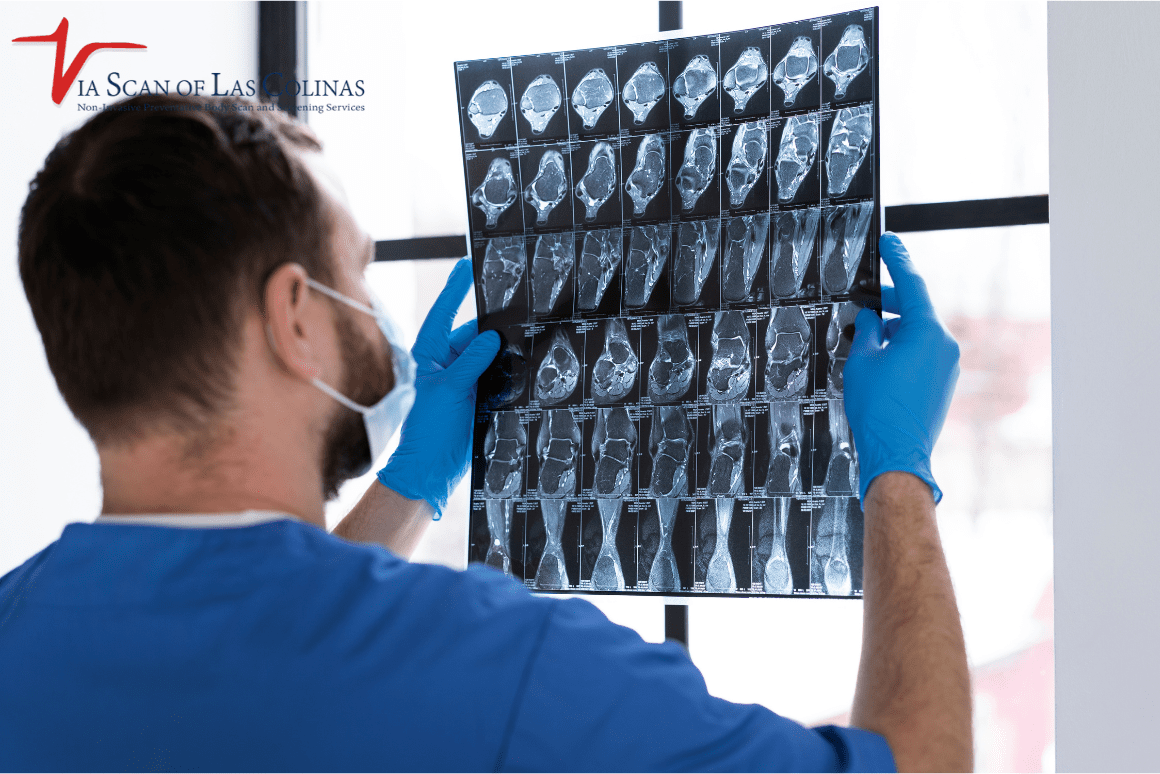

When a healthcare provider suggests a CT scan for diagnostic purposes, you might feel curious about it. It is completely common to have certain questions, such as what happens during a CT scan, whether it is risky, or whether it has any side effects. Knowing about the imaging process and how it works will make you feel more guided.
Let’s walk you through each step of the CT scan, from how it works to scan preparation to what happens during or after the procedure.
What is a CT scan?
A computed tomography (CT) scan is a type of advanced imaging test used in medical terms to evaluate injuries and diagnose diseases. This scan utilises X-ray technology and advanced computers to create 3D images of various body parts from multiple angles.
This helps your healthcare provider see internal structures such as bones, soft tissues, and blood vessels from multiple angles. CT images are used to help diagnose injuries and diseases, including some cancers and infections, and to check how well a treatment is working.
How does imaging technology work?
The CT scanner is a large, doughnut-shaped machine with a moving bed attached to it that will go in and out while taking pictures.
X-ray source
While you are lying down on the table, the X-ray source will move around your body, sending radiation to your targeted body parts.
Detectors
Advanced detectors will detect the emitted radiation on the other side of the body.
Computer processing
The computer will collect the data and combine it to create a 3D image that your healthcare provider can see on the screen. You can see it later as well.
CT can show fine detail, such as small fractures and some small tumours, although no imaging test detects every abnormality.
Why do I need a CT scan?
Your doctor might suggest a CT scan for various reasons, including:
- Detect bone fractures
- Identify any early tumours or blood clots
- Detect blockages in blood vessels
- Diagnose infections and heart disease
- Monitor the progress of treatment
- Trace disease progression
Doctors often use CT when they need detailed images quickly.
How do I prepare for the CT scan?
The scan preparation depends on the scan your doctors have suggested for you. Moreover, your doctor will explain everything you need to know, from how you need to prepare for the scan to what will happen during the procedure. Here are some guidelines:
- You may be advised to stop eating or drinking a few hours before the scan.
- If you are allergic to any dye, chemical, or medication, you need to inform your doctor beforehand, and they will adjust your treatment accordingly.
- You must arrive early on the scan day to become familiar with the surroundings and remain calm.
- Remove all the jewellery before the scan, as any metallic object can distort the images, leading to inaccurate results.
- It’s better to change into a hospital gown for a more comfortable journey.
Furthermore, if you have any questions or concerns, you can ask your doctor right away.
What should I expect during my CT scan?
- First, you will arrive at the facility, and your doctor will review all the instructions and re-explain the entire process to ensure there is no confusion.
- Some CT scans use a contrast agent, given by injection into a vein or as a drink, to make certain structures easier to see. Many scans, including coronary calcium scoring and low-dose lung screening, do not use contrast. You will be told in advance if your scan needs it.
- You will be asked to lie on the bed.
- The bed will go inside the scanner during the scan.
- A CT technologist operates the scanner from an adjoining room and can see, hear, and speak with you throughout the scan.
- When the bed begins to move inside the scanner, you will hear some whirring sound as well.
- During the scanning, you may be asked to stop breathing. This will be only for a few seconds.
The computer will collect all the images, and your doctor can now see them for diagnostic purposes. A radiologist interprets the images and writes a report. Your own doctor then discusses the results and any next steps with you
How long does a CT scan take?
The entire process is completed in under an hour, with most of the time spent preparing for the scan. The scan itself only takes 5 minutes.
Are there any risks of a CT scan?
CT uses X-ray radiation. For any one person, the added cancer risk from a scan is small compared with the natural risk of cancer, but it is not zero, which is why a scan should be done only when the expected benefit outweighs the risk. [1]. However, if you have certain health concerns, you can talk to trained professionals for a clearer and better understanding.
People often ask, “Can I get a CT scan while pregnant? Or does it have a side effect?” Scans without contrast usually cause no side effects. If contrast is used, some people feel warm or notice a metallic taste; allergic reactions are uncommon but possible, and people with kidney problems may need extra precautions. Tell staff about allergies, kidney disease, diabetes medication, or possible pregnancy. Moreover, if you are pregnant and need to go through a scan, it is wise to consult with the doctor.
Conclusion
A CT scan is more than just a diagnostic test; it provides clear answers and guides you to the right treatment options. It’s normal to have questions, and finding a trusted partner for a CT scan you can count on for your health is essential. At ViaScan, we offer low-dose CT scans and prioritise patient safety and comfort to ensure you receive the best care. Our trained professionals will answer all your queries and will walk you through each step.
If your doctor has recommended a CT scan, trust ViaScan for quick, accurate, and trustworthy answers.
References:
[1] U.S. Food and Drug Administration — What are the Radiation Risks from CT?. https://www.fda.gov/radiationemitting-products/medical-x-ray-imaging/what-are-radiation-risks-ct