
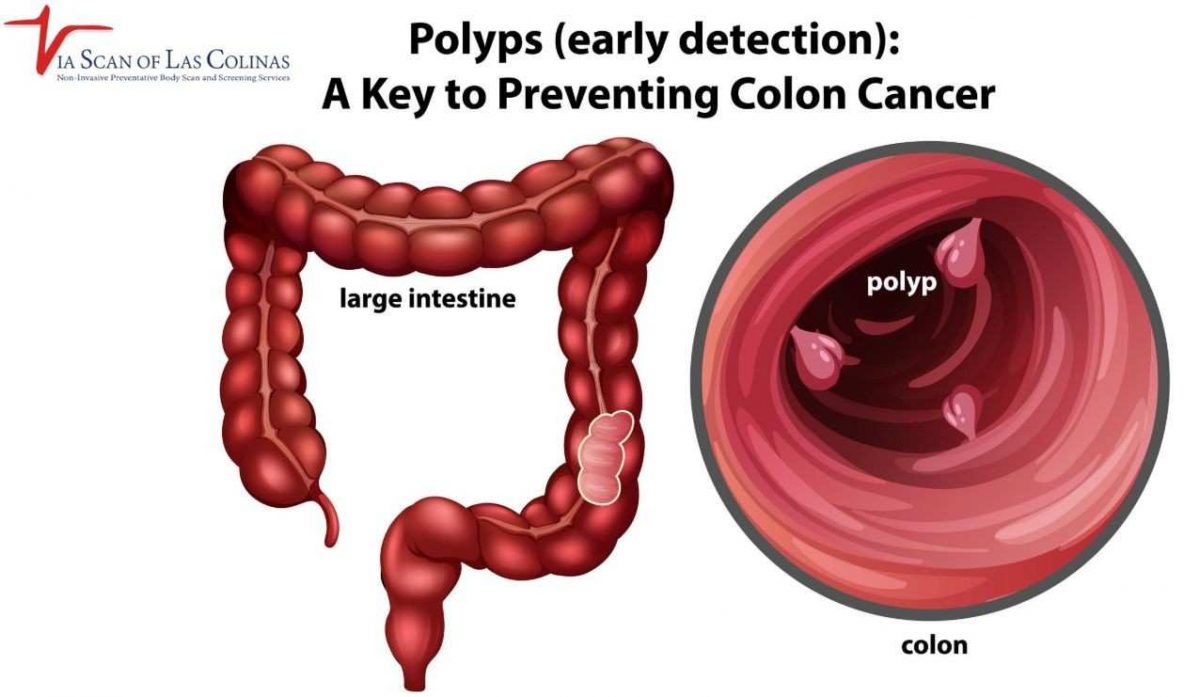

Have you recently had a colonoscopy, or are you planning to have one? You may be wondering what is normal regarding polyps. It is not uncommon to detect polyps during colonoscopy, and most are benign. Nevertheless, it is important to understand what your findings imply for long-term colonic health. The number of polyps detected during examination may vary by patient; factors include the type of physician, the patient’s age, and the nature of the procedure performed. At ViaScan in Irving, TX, we educate patients about the importance of regular colonoscopy screening to identify polyps while they are still small and before they can cause major problems. We will examine what is normal, the various types of polyps, and the circumstances under which the results may warrant further attention.
What are the number of polyps that are regarded as normal during a routine colonoscopy?
The number of polyps that is considered normal in the results of colonoscopies does not exist since the results vary significantly between individuals. Having zero polyps is normal. They may have one to three small polyps, which is not unusual as well and are not very alarming. The fact that you found a few polyps does not necessarily mean that you are at high risk- most polyps are benign and usually do not cause any problem. Nonetheless, the location, size and quantity of polyps can assist your physician to decide on your subsequent screening plan. It is not the quantity of polyps that is important but the nature of the polyps present. Your gastroenterologist considers several factors to determine your personal risk and prescribe the needed follow-up treatment.
Normal Results in Middle-Risk Patients.
Zero polyps: It has been estimated that about 60-75 percent of routine colonoscopy has no polyps at all.
- 1-2 small polyps: This is a very common occurrence and most of these are low-risk.
- 3-4 polyps: Still fairly frequent, but can be of closer interest.
- Advanced adenomas: Polyps having an alarming appearance (10mm or larger) or polyps with alarming size.
- Polyps, small in number: A number of small polyps can be less serious than a single large polyp.
- Follow-up timing: When and what: depending on your number and type, your next colonoscopy should be in how many years.
What kinds of colon polyps occur during the colonoscopy?
Colonoscopy findings of polyps are not of equal worth. The doctors distinguish between the various types of polyps according to their cell composition and the risk of developing cancer. The prevalent forms of them are the hyperplastic polyps which are mostly harmless and seldom progress to cancer. Adenomatous polyps (also known as adenomas) are precancerous, i.e. it may eventually develop into cancer after many years not being treated. Fortunately, removing these polyps during colonoscopy prevents this from occurring. Other less common types are inflammatory polyps which some people may have. The information about the exact type of polyps, found in your case, will be written in your pathology report, which is going to assist your doctor in devising the appropriate monitoring plan to have in your case.
Benign and Precancerous Polyps.
Hyperplastic polyps: These are common polyps, which are usually small, with the lowest risk of cancer, and in most cases; they do not need such a vigorous monitoring procedure-they are usually in most cases benign findings that do not pose a risk of developing colon cancer.
Adenomatous polyps (adenomas): These benign polyps can progress to colorectal cancer after 10-15 years of not being removed hence their detection and removal during colonoscopy present one of the best preventive options of colon cancer.
Are the age of polyps found increased with age?
Yes, the development of polyp tends to go up as age advances. The young adults which are those who are screening themselves with the help of colonoscopy usually do not have any polyps compared to the older adults. In the age range of 50, it has been estimated that around 25-30% of individuals have at least one polyp and the percentage is growing with every decade. Nearly half of individuals will have polyps by the age of 70 (40-50%). This age-related rise is just one of the reasons why colonoscopy screening is a big part of normal age starting at age 45 in average risk patients and at even earlier ages in patients with a family history or other risk factors. Screening also becomes more significant with age as the polyps develop over years and their early detection – before they cause colon cancer symptoms -is the most effective preventive measure.
Age-Related Risk Factors
- Cumulative exposure: Years of exposure to dietary and environmental factors lead to the development of polyp over time.
- Cellular alterations: Aging alters the rate of proliferation and repair of colon cells.
- Genetic factors: There are genetic conditions that lead to the earlier and increased occurrence of polyps.
- Lifestyle accumulation: Polyp risk is influenced by decades of lifestyle habits (diet, exercise, smoking).
- Hormonal fluctuations: The body changes in old age might increase the formation of polyps due to hormonal changes.
- Screening recommendations: There is an upward trend in guidelines that reveal higher polyp among the elderly.
At what point is the size of polyps a matter of concern?
Although the occurrence of some small polyps in the results of colonoscopy is usual, there are some findings that require further examination and increased observation. Finding 5 or more polyps in a bowel colonoscopy, particularly when adenomas are present, indicates higher risk and normally a need to perform the surveillance colonoscopies at a reduced frequency. The discovery of 10 or more polyps may be the reason why your doctor could be interested in genetic testing of hereditary polyposis syndromes. Polyps larger than one centimeter in size irrespective of the number of polyps are classified as advanced adenomas and must be followed closely.
- Five or above adenoma: Suggests high risk of colorectal cancer that needs surveillance every 3 years.
- Polyps, ten or more: Could be a sign of hereditary polyposis syndrome which needs genetic examination.
- Sessile serrated polyps: This particular type of polyp that should be monitored more closely regardless of the small numbers.
- Advanced adenoma: Villous or high grade dysplasia polyp 10mm or above.
- Numerous giant polyps: Polyps that are larger than one centimeter are quite risky.
- Recurrence: Rapid recurrence is an indication of increased risk: When the number of new polyps is many soon after the last removal, there is an increased risk.
The Significance of Routine Examination.
The majority of the polyps grow gradually over a period of years, which provides you and your doctor with time to identify and eliminate them before they become problematic. Colonoscopy is the gold standard in terms of both detection and resection of polyps during a single procedure. The symptoms of colon cancer can be avoided since they do not develop because the polyps can be removed before they even develop. The colonoscopy scan service offered by ViaScan in Irving, TX, offers a comprehensive scan of your colon health, which keeps you ahead of the game when it comes to preventing the occurrence of certain issues.
Choose Our Preventive Colonoscopy Scan
Early Detection Saves Lives!
-
- Accurate
- Quick Result
- Affordable

Conclusion
Your greatest defense against colon cancer is regular colonoscopy screening which enables the doctor to identify and remove polyps before they result in colon cancer symptoms or develop into a severe disease. Our skilled staff offers quality colonoscopy scan services in a relaxing and patient centered atmosphere at the ViaScan in Irving, TX, where high imaging technology is applied. We further provide CT scan services and whole-body scan in order to monitor their health fully.