
Don’t ignore shortness of breath or a sudden weird kind of tired. Don’t ignore a racing heart or tightness in the chest. These can be signs that something may be wrong with your heart. Your heart keeps working day and night. It beats many times in one day. It also moves blood around your body every day for your whole life.
At times, your heart may send out small clues that it needs attention. If you notice these clues early, you and your doctor might be able to respond sooner. In the following blog, these warning signs will be expressed in easy to understand and friendly terms.
What are the most frequent symptoms of heart disease that you shouldn’t dismiss?
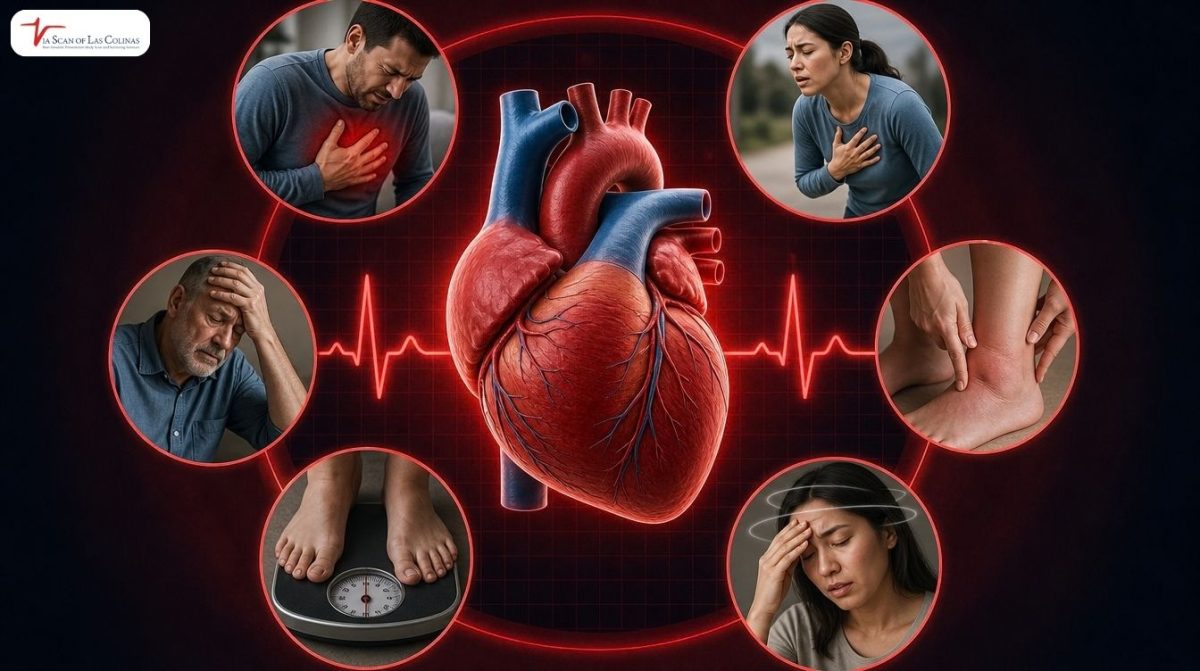
The signs of heart disease can be varied and not so dramatic. Some signs are subtle and hard to notice, others are more apparent. These are signs and symptoms of heart disease and can help you decide when it might be necessary to visit your doctor. People often see certain signs before heart disease becomes serious.
Some warning signs show up before heart trouble gets worse.
- Chest pain or chest pressure that feels heavy or tight
- Trouble catching your breath when you walk, climb stairs, or do daily tasks
- Heart palpitation, pounding, or fluttering in the chest
- Feeling wiped out, lightheaded, or noticing swelling in the legs
Feeling something in the chest can point to the heart. In many urgent heart problems, people report pressure in the chest. Some describe it as squeezing. Others say it feels like something is pressing down. Still, chest pain does not always come from the heart. It should not be ignored. If it starts suddenly, hurts in a sharp way, or spreads to the arm or jaw, get medical help right away.
Chest Pain and Heart Health
Chest pain occurs when the heart is not receiving enough blood and typically results from narrowed or blocked arteries. It may be a pressure or squeezing or feeling heavy, instead of a sharp stab. The pain in the chest may be a warning sign of heart disease so it is important that it be treated immediately, not in the hope that it will pass.
Can shortness of breath be a warning sign of heart disease?
Shortness of breath certainly is a symptom and sign of heart disease, particularly if it occurs during light exercise or while lying down. This occurs because the failing heart is not able to pump blood as effectively, this will impact your oxygen supply. The first step to heart awareness is to notice this change.
Shortness of Breath and Heart Problems
Feeling short of breath can show up when the heart is not moving enough oxygen for the body’s needs. Some people notice it with small things, such as going up stairs. Others feel it even when they are resting. If this happens suddenly, or if it feels unlike what you normally experience, you should seek medical care right away.
What can cause unusual fatigue or weakness that’s related to heart disease?
Rest does not seem to be enough and you are feeling exceptionally tired can sometimes be related to heart disease. Your muscles and organs may not be getting enough oxygen when your heart isn’t pumping efficiently, making you feel drained. This type of fatigue is different from normal tiredness after a busy day.
- Tiredness is a Warning Sign.
- Feeling tired even after a full night’s sleep
- Having difficulty with basic, everyday activities
- Fatigue associated with shortness of breath)
- Fatigue that is not relieved by rest
Why are all of these signs important?
The body will sometimes alert us to things that need attention, and so does the heart. Identifying these patterns early can allow you and your doctor more time to learn about what is going on. These symptoms don’t necessarily indicate heart disease, but they’re not ones to shrug off or ignore, and should be discussed with a health care provider.
Many people don’t talk about the changes they notice in their body until it has occurred or they are already in a lot of pain. However, noticing when the body changes, when it repeats and when it doesn’t, can make a positive difference. It’s important to provide these information to your doctor in a clear way, so they can get a full picture of you.
Preventive Imaging Support
Heart health prevention steps can be simple and easy to follow. Can you get a preventive heart scan? Yes, it provides a heart scan to look for early signs of calcium deposits in the arteries, providing you and your doctor with useful information. This is a supportive prevention tool, not a treatment, and should always be discussed with your individual doctor.
In addition to heart imaging, ViaScan of Las Colinas also features a full body scan for a wider range of information about overall health and Low-Dose Lung CT Screening in Irving, TX for those seeking to monitor lung health. These preventive scans are intended to complement awareness, not to take the place of periodic checks or cardiac emergency signs serious where symptoms are felt to be concerning.
Choose Our Preventive Heart Scan
Early Detection Saves Lives!
-
- Accurate
- Quick Result
- Affordable
Conclusion
If someone feels chest pain, trouble breathing, a racing or irregular heartbeat, or strange tiredness, do not brush it off. Get checked out. Talk to a doctor about these symptoms and make sure they are reviewed. This blog is meant only for general learning. It is not for diagnosing, treating, or preventing any illness. It also should not take the place of advice from a trained medical professional who works with imaging. The content here is not meant as medical care, a diagnosis, or help for an emergency situation.
If a symptom seems sudden or severe, please go to the doctor right away! If you’re looking for preventative imaging resources to support the decision-making process as you travel on your health journey, ViaScan of Las Colinas is useful and informative.