
Aortic Aneurysm in Females Symptoms
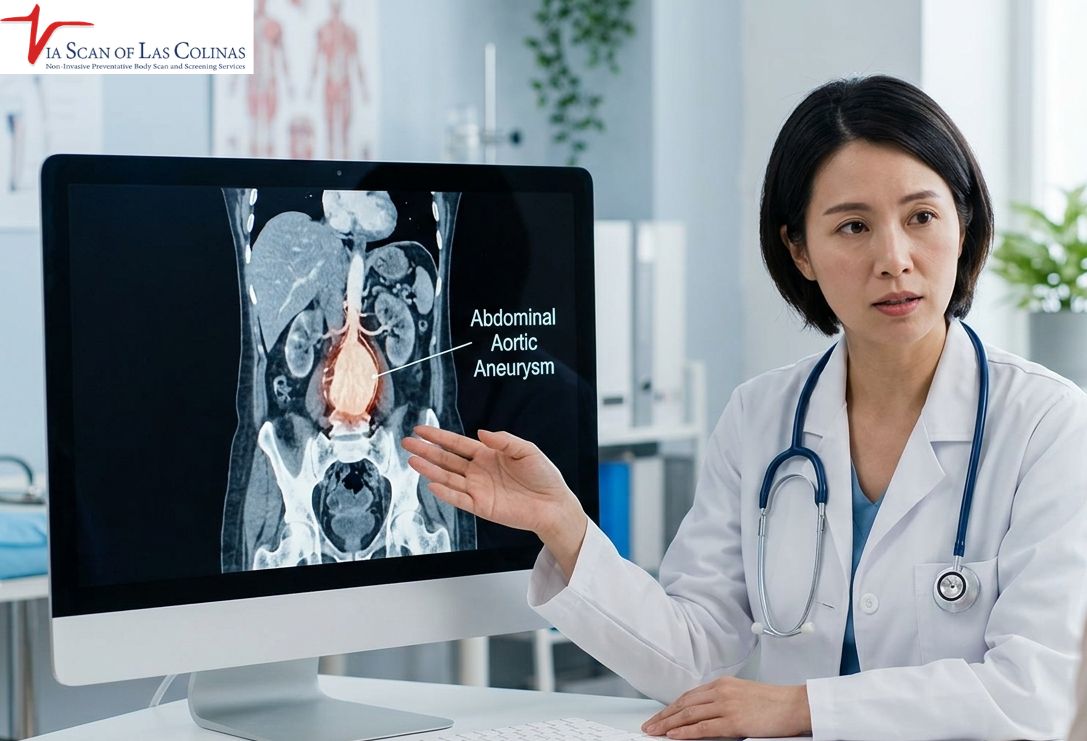
Aortic aneurysms, or life-threatening dilations of the largest vessel in the human body, frequently go undiagnosed, which makes them especially dangerous in women because they might not notice signs until a medical health emergency takes place. Knowledge about the symptoms of aortic aneurysm in females makes women recognize possible issues at an earlier stage when preventive screening and treatment can be used to avoid life-threatening ruptures. Although aneurysms develop more frequently in men, women may present with less typical symptoms compared to men and women should be aware of them to detect them as early as possible.
What are typical symptoms of an aortic aneurysm in females that can not be overlooked?
A significant number of aortic aneurysms in females grow to large sizes without any obvious symptoms before rupture. But when the symptoms occur, women should not overlook them. The typical symptoms are chest, abdominal, or back pains that are not relieved by rest. There are women who experience the sensation of pulsing around the belly button or abdominal fullness. Sudden intense pain, dizziness, rapid heart rate, or shortness of breath are the signs of possible rupture and immediate emergency assistance is needed. Awareness of aortic aneurysm symptoms in females is essential for early diagnosis and treatment of the warning signs and taking immediate medical care involving diagnostic tests.
Early Warning Signs in Women
Persistent pain of an abnormal type: Pain in the chest, upper back, or abdomen that does not come and go, that is a constant deep pain, not the sharp pain associated with normal muscular pain.
Pulsating sensation: The sensation of a throbbing or a beating in the abdomen, especially around the region of the belly button, which beats in sync with your heartbeat, often noticed when lying down.
What is the difference between the symptoms of an aortic aneurysm in women and men?
Studies indicate that women have various and even less obvious symptoms of aortic aneurysms than men, which may delay diagnosis and increase the likelihood of rupture. Women tend to manifest more with non-characteristic symptoms not immediately identified as heart difficulties such as stomachache that is often mistaken for digestive issues, back pain, which may be attributed to musculoskeletal disorders, or non-specific chest pains that may be misinterpreted as anxiety. The aneurysm also develops in women at a later age than men and in most cases with smaller body sizes that is, the aneurysm may burst at less diameter in women than in men, thus early preventive screening is of utmost importance, particularly to women.
Gender Differences in Symptoms.
Women are more likely to report abdominal pain and nausea than men when they have aortic aneurysms, which is frequently regarded as a symptom of gastrointestinal disorders and not cardiovascular ones. The patients with female gender report back pain more frequently in comparison with male patients, especially when thoracic aortic aneurysms occur in the upper part of the aorta. Also, rupture rate among women at smaller size of aneurysms is higher than that of men, so symptoms can manifest themselves at relatively small aneurysms, and diagnostic imaging tests should be considered by CT scan or other sophisticated imaging systems.
What is the experience of pain due to an aortic aneurysm in women?
The aortic aneurysm pain in women depends on the site of the aneurysm and the size of the aneurysm and the stability or enlargement of the aneurysm. Women characterize the sensation in other ways, yet, there are regular patterns, which assist in the detection of possible aneurysms that may be evaluated by medical professionals. The pain is also deep, constant and chronic as opposed to acute or stabbing. It does not usually react to over-the-counter painkillers and can progressively increase the size of the aneurysm in weeks or months.
Patterns of Chest, Back or Abdominal Pain.
- Thoracic aortic aneurysm pain: Deep pain in the chest or upper back, which can extend between the shoulder blades, can be characterized as a tearing or ripping feeling, in case the aneurysm is dissecting or growing at an accelerated pace.
- Pains of abdominal aortic aneurysm: Pain in the lower back or belly, which is steady and deep, at times with a pulsating sensation around the belly button, or even like the belly was being pressed full.
- Pain characteristics: Unlike muscle pains which can be relieved by a change of position or rest, a person will always experience the pain with an aneurysm, and over time it might be more intense but it does not disappear entirely but is noted as a deep pain that does not disappear altogether.
Are there women who may have an aortic aneurysm without any symptoms?
Yes, and this is what makes aortic aneurysms so dangerous, most of them grow totally silent and do not produce any symptoms, when they are very large or rupture. The aortic aneurysms in many women are accidentally found when an imaging is performed due to other medical causes, and the women had been unaware of the existence of the aneurysm. This silent development means that women who are at risk, including those with high blood pressure, have a history of smoking, or there are aneurysms in the family, or have a history of connective tissue disorders should seek preventive screening despite the absence of symptoms to ensure the identification of aneurysms at an early stage so that they can be monitored thus preventing rupture.
Significance of Screening on a Periodic basis.
- Women with history of aortic aneurysms in their family, women who have smoked, women with high blood pressure, women with atherosclerosis, and women with connective tissue disorders are the most likely beneficiaries of screening. The CT scan services offered by ViaScan offer high-quality aortic imaging to identify aneurysms in women even before they start to appear.
- Monitoring: Preventive screening helps to monitor small aneurysms which can be followed up over time with periodic imaging and medical treatment can be initiated before it is deemed large enough to cause harm and necessitate emergency treatment.
- Benefits of whole-body screening: Comprehensive whole-body scanning, besides aortic aneurysms, also identifies other silent cardiovascular and health conditions, which offer full preventive health care to women who prioritize wellness as their first line of priority.
Choose Our Preventive CT Scan
Early Detection Saves Lives!
-
- Accurate
- Quick Result
- Affordable

Conclusion
Learning the symptoms of aortic aneurysm in female and seeking preventive screening will literally save your life by preventing dangerous aneurysms before they burst. In Irving, TX, ViaScan offer the most advanced CT scan and complete whole body scan which can discover aortic aneurysms and other cardiovascular diseases during preventive health screening.