
Bleb Lung: Causes, Symptoms, Diagnosis, and Treatment
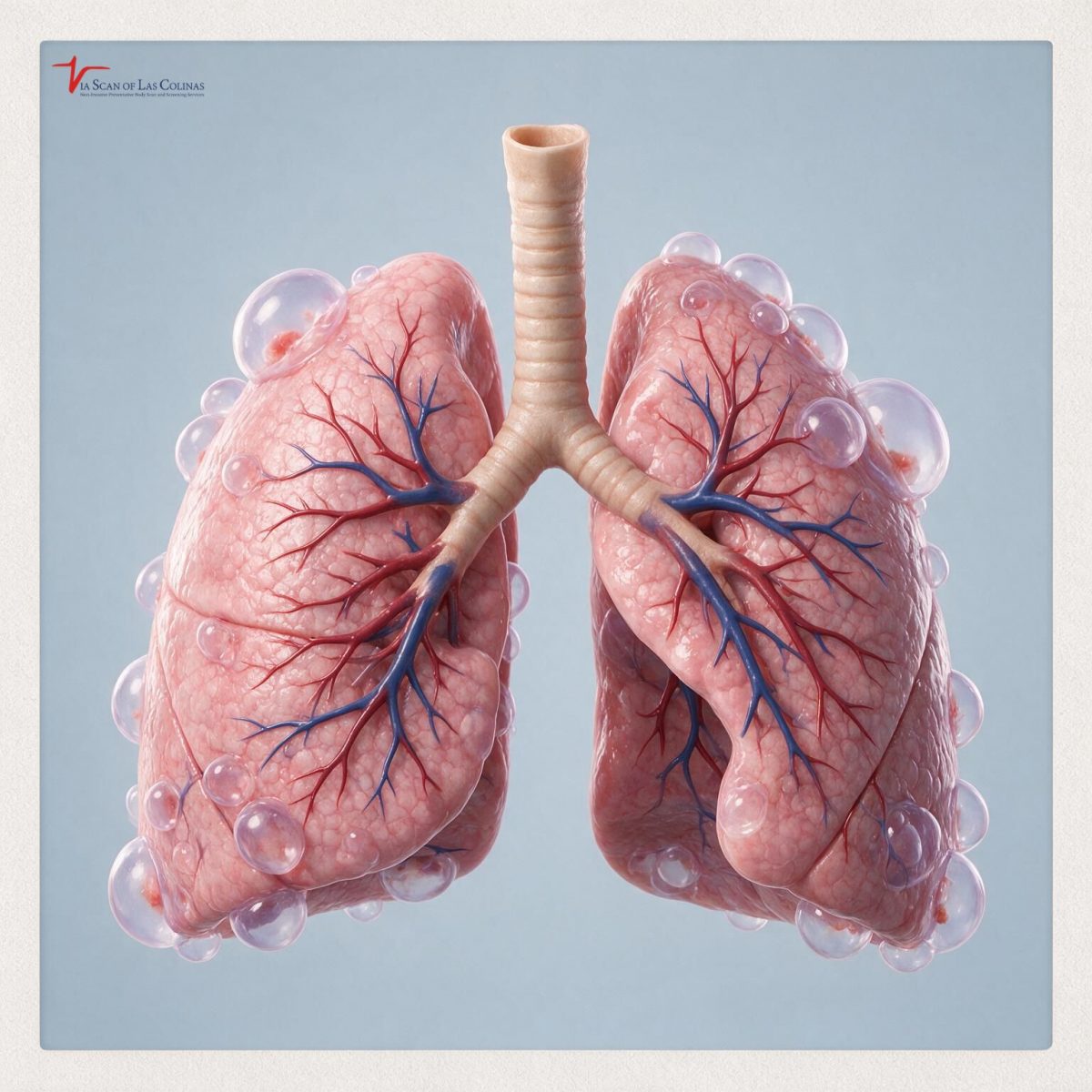

The term lung bleb refers to a small air-filled sac that develops on the surface of the lung, which sounds a bit like something you wouldn’t want to find, but is actually quite common and many people may not be aware of it. Blebs lie passively on the outside of the lung without causing any problem whatsoever. But familiarity with their nature, why they occur, and when they may require attention is valuable. For many people, the first time they ask themselves questions regarding chest pain or strange breathing patterns, they do not know where to find answers, and the topic can seem quite frightening without clear information. In this blog, we’ll go over the basics of lung blebs in simple, friendly terms, including what causes blebs in lungs, the signs and symptoms, how they relate to a collapsed lung, and how doctors can identify lung blebs at an early stage without them ever becoming a bigger problem for your health.
What is a lung bleb and why does it form?
What is a bleb in the lung? It is a small, thin-walled pocket of air located just beneath the outside lining of the lung tissue. Imagine a small air bubble lying on top of the lung. A pulmonary bleb typically occurs when the lungs develop a weak spot which allows air to escape and enter into a small pocket. While doctors don’t always know exactly what causes blebs in lungs, certain lifestyle choices and health patterns also play a role in the likelihood of developing a bleb over time; that’s why when looking at your overall picture of lung health, lifestyle matters as well as family history.
Recognizing Lung Blebs and the Most Common Risk Factors
- Smoking history
- A family history of lung diseases.
- Being tall and thin
- Age-related tissue changes
- Underlying lung conditions
What are the symptoms of a lung bleb?
This is the fun part, sort of: Most lung blebs are asymptomatic. They simply wait for years, without a soul commenting, doing nothing. However, in some cases, the bleb can become more visible and conspicuous, even if the individual feels fine, and will be impossible to ignore. That’s why it’s crucial to see a doctor rather than hazard a guess to find out what’s really happening inside your chest, as some of these indicators could pop up all of a sudden and with little warning.
Identifying signs of chest pain, difficulty breathing, and other warning signs.
- Sudden chest pain
- Shortness of breath
- Rapid heartbeat
- Dry cough
- Tiredness performing tasks that require little effort.
Can a lung bleb cause a collapsed lung?
Yes, but in some instances, a lung bleb can cause a collapsed lung (called a pneumothorax) that may require medical intervention. When the bleb tears, the air will escape into the area surrounding the lung rather than remaining in the lung as it should. The trapped air may compress the lungs and make breathing more difficult; if sudden chest pain or breathing difficulty occurs, don’t dismiss it, particularly if it is sudden and different than you’ve experienced before.
Connection Between Blebs and Pneumothorax
If a bleb bursts air escapes into the chest cavity rather than into the lung. This buildup of air exerts pressure on the lung, which then collapses partially or completely, on occasion with little warning at all.
How are lung blebs diagnosed through medical imaging?
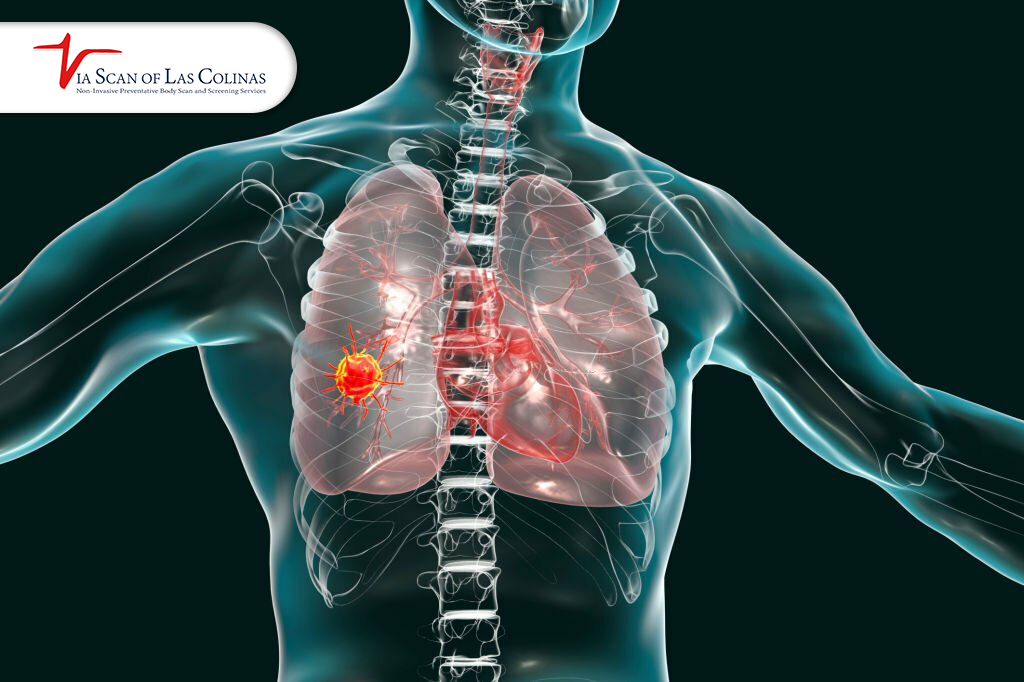
Lung blebs typically don’t cause symptoms, and are often discovered incidentally when imaging is used for an unrelated purpose. That’s where medical imaging comes into play and can be used to detect a pulmonary bleb early, before it can be a more serious lung issue. Your doctor sits with the pictures and looks for very small air pockets on the surface of the lungs, and monitors changes over time, providing him with a much more comprehensive picture to consider during future appointments.
Chest computed tomography imaging and other imaging tests.
- A chest computed tomography (CT) scan provides detailed images of the lungs.
- Larger air pockets may be caught with x-rays.
- Imaging is used to monitor Bleb size with time.
- Scans provide information that enables doctors to discuss your treatment options.
When your doctor prescribes imaging, ViaScan of Las Colinas offers a focused lung scan and CT scan service to help you get clear images for review, in addition to the whole body scan service for a more comprehensive scan. Preventive imaging is not diagnosis or treatment and is always performed in concert with your licensed physician to ensure proper guidance, review of results and additional recommendations for your care.
Choose Our Lung Scan
Early Detection Saves Lives!
-
- Accurate
- Quick Result
- Affordable
Conclusion
A lung bleb is generally harmless, but once you understand the risk factors, symptoms and the role imaging plays in its diagnosis, you and your family may be able to get a sense of relief. Most of the blebs remain asymptomatic throughout life, while a smaller number could cause symptoms, such as chest pain or breathing difficulties, which may be worth checking. Imaging continues to be one of the most reliable and easy methods to identify a pulmonary bleb early and to monitor them over time. If imaging is appropriate and you and your doctor agree, ViaScan of Las Colinas provides supportive preventive imaging such as lung and CT scans to keep you informed. Our method is reviewed by licensed imaging practitioners and is designed to be clear and comfortable to you, and to provide you with the kind of pictures you can have more meaningful and confident conversations with your doctor about.