
What is your heart score? the key to early detection of heart disease
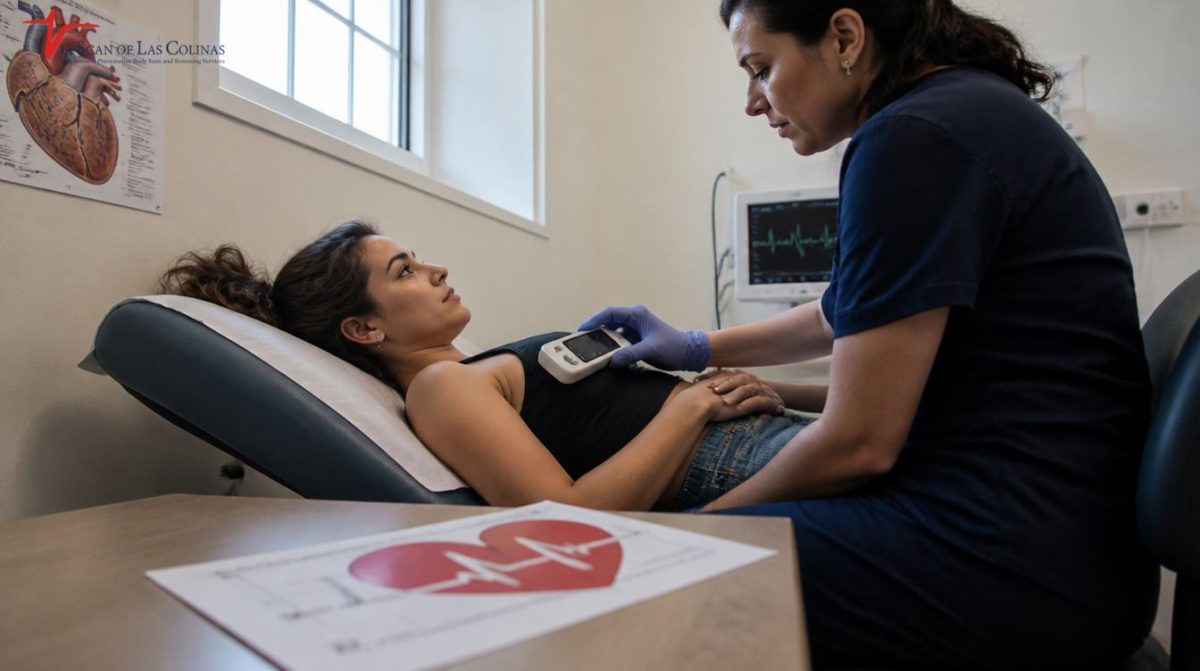

Heart score is a simple number that indicates the healthiness of your heart and your risk for future problems. It factors in your age, blood pressure, cholesterol and more to paint a picture. Imagine a report card for your heart. Having this number ahead of the game can help you and your doctor make informed decisions before any problems arise. It’s a simple step that can provide considerable peace of mind.
What is a heart score and what does it tell you about your heart health?
The heart score is a number that provides an estimate of your risk for heart disease. It takes your health information and presents a picture of your heart now and what it may be like in the future if nothing changes.
Cardiovascular Risk Scores and What They Measure.
- Display your likelihood of heart disease over time
- Do not make assumptions about health information.
- Assist in monitoring changes in cardiovascular functioning.
- Talk to your doctor about it.
- Facilitate informed decision making at an early stage
- Provide a starting point, not a diagnosis
Which of the following is NOT part of the formula used to determine a heart health score?
Your heart score includes several day-to-day health facts. Doctors use this information together as no one single factor is the complete picture of your heart condition.
Blood Pressure, Cholesterol, Age, Smoking, Diabetes, and Family History
- Blood pressure (BP) – elevated BP increases the work of your heart.
- Too much cholesterol can accumulate in blood vessels –
- Older people are at more risk – particularly as we get older.
- Smoking – increases the risk at a great rate over time.
- Diabetes – blood vessels and heart function are impaired
- Family history – genetics may also be a factor
Can a heart score help detect heart disease before symptoms appear?
Yes, a heart score can identify risk even before symptoms arise. Numerous cardiac issues progress without any symptoms and might be good time to have a helpful dialogue with lifestyle and medicine before the score is too late.
Using Risk Assessment for Early Cardiovascular Prevention
- Identify risk factors early – before symptoms develop.
- If you want to have a discussion earlier with a physician
- Encourage healthier ways of living and decisions
- Follow up regularly with the individual
- Support prioritisation of further testing as necessary
- Encourage an active lifestyle for a healthy heart
What’s the difference between a heart risk score and a coronary calcium score?
Heart risk score is a calculation based on lifestyle and health information that helps determine risk of heart disease. Different, however, is a coronary calcium score which is an imaging test, providing a direct view of the arteries themselves.
Heart Imaging vs Risk Calculations.
Numbers such as age, cholesterol, blood pressure, etc., are used to determine a heart risk score. The coronary calcium score is derived from a special test that detects calcium deposits in the coronary arteries. Combined, they can provide a more comprehensive picture, both providing an overall estimate and closer, visual assessment.
In what way do health scans help detect diseases early?
While risk scores are a good guide, they’ll not give an indication of what is actually occurring within the arteries. However, the question is: can you get a preventive heart scan? And what role does it play? This is where imaging can provide an additional layer of insight. A heart scan, a coronary calcium scan, may be able to detect calcium deposits that aren’t identified by a risk score alone.
People who would like to learn more about their cardiovascular wellness might consider a heart scan, a CT scan and a whole-body scan at ViaScan of Las Colinas. These services are not for diagnosis or treatment, but to help you be more aware and to help have an informed conversation with your doctor. Each scan is analyzed with input from a qualified imaging specialist, providing you with insights into your scan that are part of a comprehensive health overview.
Any risk score or scan result should be used in conjunction with a discussion with your primary care provider. They can help interpret your numbers and guide any next steps that may be right for your unique health history.
The importance of early detection.
The signs and symptoms of heart disease often progress over many years and can be virtually unnoticed. The reason why waiting for warning signs is not always the best course of action. The earlier you know your heart score, the sooner you get a head start. It gives you time to make small, consistent changes, like dietary, physical activity, or stress management changes, before larger issues become a problem. Early awareness also helps in effective follow-up care, as your doctor can monitor changes over time rather than having to start again after you reach them. In summary, if you understand your numbers earlier, you and your healthcare provider have more time to plan, adjust, and work together to achieve long-term heart health.
Conclusion
Your heart score is a valuable indicator, but not a definitive conclusion. It provides you and your doctor with a foundation of understanding about how healthy your heart is and what can be planned to keep it that way. When combined with ongoing tests and (if needed) preventive imaging, ViaScan can complement a holistic picture of your health and wellness. It’s a great start to the day to be curious about your heart, and it’s a great start to the future to be healthy.
This blog is for informational purposes only and is not a substitute for medical advice, diagnosis or treatment by a medical professional. For personal heart health concerns, please talk to a licensed health care provider.