
How to check for a blood clot in your leg
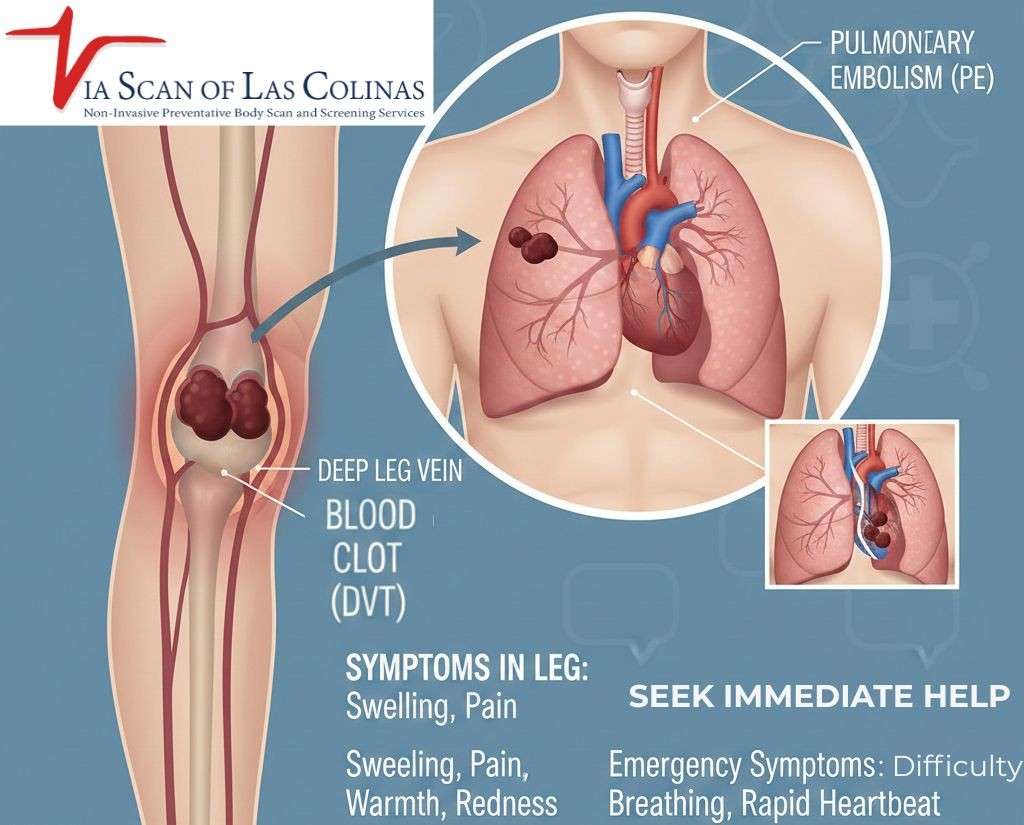
Deep vein thrombosis or DVT are blood clotting in the legs which is a serious medical condition that needs to be addressed and assessed by the medical experts. Although the clots occur in the deep veins of your legs, their threat goes well beyond that point first of origin. As we mentioned in our earlier article concerning how quickly a blood clot may travel from the leg to the lungs, it is important to know how urgent this condition is since within hours or days, the clots can break free and travel to the lungs posing life threatening complications.
That is precisely why the symptoms of deep vein thrombosis need to be identified as soon as possible and medical attention should be requested immediately. Being aware of what symptoms to be aware of and when it is time to seek professional diagnostic imaging can literally be a life-saving experience.
What is the best way to check at home to see whether you have a blood clot in your leg?
Although you can not conclusively diagnose a clot of blood at home, you can observe signs of danger that must indicate immediate health checks. Compare the two legs of yours – is one of them significantly swollen when compared to the other? Carefully palpate the calf muscle of the involved leg and mention whether it is unusually tender/painful.
Examine the leg color and temperature Is one leg warmer than the other, or is the skin reddish or discoloured? These are just some of the observations that can assist you in identifying the deep vein thrombosis symptoms which require professional action. But do bear in mind that home checking is only an area of awareness should you suspect a blood clot due to the symptoms you are experiencing, you should immediately seek medical help as opposed to just waiting and seeing whether the symptoms will resolve themselves.
Red Flag Symptoms with Emergent Medical Care
- Elevated leg swelling- one leg is noticeably larger than the other.
- Thorough leg pain – excruciating pain which does not respond to rest or elevation.
- Skin discoloration Red, purple, or bluish of the leg skin.
- Warmth to touch – the affected leg is significantly warmer as compared to the other.
- Visible vein distension – veins visible on the surface of the body.
- Pain in the chest or difficulty breathing- symptoms the clot could have spread to lungs.
- Rapid heartbeat – unusually fast or irregular heartbeat.
- If you cough up blood, experience sudden chest pain or have difficulty in breathing, call 911 immediately.
What is the normal feeling of a blood clot in the leg?
The feeling of a blood clot in your leg cannot be the same to everybody, although some trends are general. The symptoms of deep vein thrombosis are often explained by many people as a tug-of-war muscle or a bad charley horse, which cannot be stretched out or relaxed. The leg that is affected can be heavy, tight or a sore one, as though you have overdone the muscle in some exercise, when you have done nothing strenuous. Others get a paining or vibrating pain in the calf or thigh region. The pain usually gets worse when you stand up or walk and it will sometimes get better with some rest and raising the leg up however this very rarely goes away completely. It is important to know that a person may get blood clots even without huge pain, some have little pains but with huge clots that have to be addressed as soon as possible.
Sensations of Pain, Tenderness and Cramping
Deep vein thrombosis causes pain that is usually localized to the calf, however, it may be experienced anywhere between ankle and thigh depending on the location of the clots. The pain can be aggravated when flexing, that is, bending, your foot upwards to your shin, a symptom physicians specifically examine in physical examinations.
Others refer to the feeling as burning or throbbing instead of sharp pain experienced in case of injuries. In case of persistent pain of the leg along with swelling or color alterations, it is necessary to seek professional medical assistance and conduct diagnostic tests to eliminate potentially harmful clots.
Who is the most susceptible to a blood clot in the leg?
Blood clots are common to all people, and there are factors that predispose a person to be at a high risk. Knowing your own risk will allow you to know when the symptoms of deep vein thrombosis need particularly close monitoring. Individuals who have just had surgery, particularly orthopedic surgeries of the legs, hips or pelvis are at high risk of clots during the recovery periods. Prolonged bed rest, long flights or high-car journeys slows the velocity of the blood flow in the leg veins and predisposes the patient to clot formation. During pregnancy and the postpartum period, hormonal modifications increase the probability of blood clotting.
What are the medical tests to verify that there is a blood clot in the leg?
When you find medical assessment with the suspected blood clots, any of the diagnostic tools are used by the healthcare providers to check or eliminate the idea of deep vein thrombosis. A duplex ultrasound is the most popular and accurate test and involves sound waves to formulate an image of blood flow through your leg veins. Blood tests that are taken to determine the level of D-dimer are used to determine clotting activity in your body but high levels do not indicate DVT. In complicated cases or in cases where the ultrasound images are not clear, CT scan images or MRI venography can further give you a more detailed picture of your vein structure and blood flow. ViaScan offers high-quality diagnostic imaging services in Irving, TX, which help medical practitioners detect blood clots accurately when necessary, and offer the clear, detailed images that can be properly diagnosed.
Choose Our Preventive CT Scan
Early Detection Saves Lives!
-
- Accurate
- Quick Result
- Affordable

Conclusion
When you feel the symptoms or are thinking about them or when your healthcare service provider believes that there is a blood clot, then the correct diagnostic imaging is needed to be evaluated. We also offer high quality ultra sound scan and CT scan services at ViaScan in Irving, TX, and the services are there to assist medical practitioners in imaging assessment of blood clots and other medical conditions which need to be examined through imaging procedures. We also provide a large scale whole-body scan services as a preventive health screening.