
How to Prevent Heart Disease
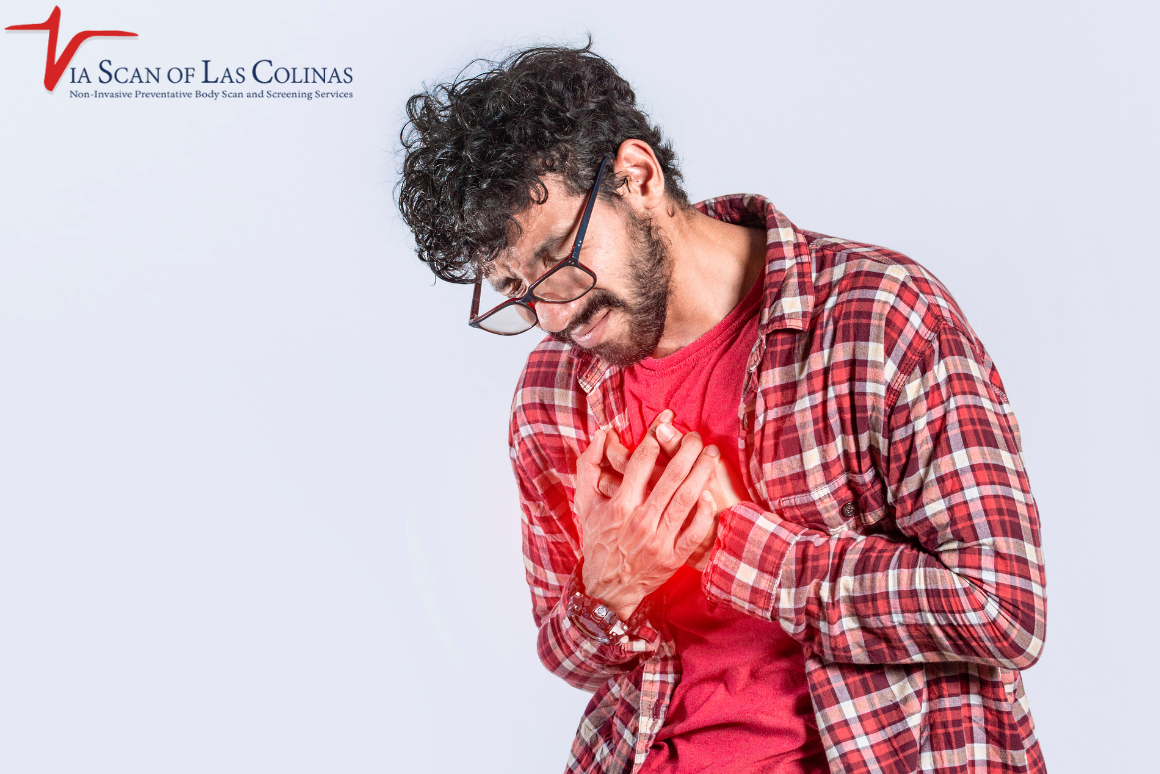

Heart disease is the number one cause of death in the United States, and this is the good news: most of the cases could be avoided. Your lifestyle (what you eat, how you move, and whether you smoke) and your daily decisions (how you manage stress, etc.) have a direct effect on the health of your heart. Preventing does not imply a life of limited, happy existence. It involves making smart decisions that will enable you to have more years of being healthy and energetic. What can be seen as a small change can make a big difference over time. It is a good idea to start a healthy lifestyle today because it helps save your heart for decades to come. This guide will demonstrate effective, proven ways to heart disease prevention.
What are the Best Things an individual can do to avoid Heart Disease?
You begin with heart disease prevention by making daily lifestyle decisions that safeguard your cardiovascular system. Physical activities, the best diet for heart disease reversal, stress management, and frequent health checkups are the best strategies to use to control diabetes.
Recommended lifestyle interventions to prevent it:
Exercise at least 150 minutes a week in moderate exercise- walking, swimming, biking are all included. Eat healthy and keep your weight within normal limits by exercising. Deal with stress by relaxing, having hobbies, or maintaining social relationships. Sleep well, and get 7-9 hours of sleep every night. Eschew tobacco of all types, limit alcohol. Have frequent health checks to check the blood pressure, cholesterol, and sugar levels.
Why early habits matter:
Heart disease is chronic in the fact that the damage builds up over years before symptoms are manifested, and therefore, by the time problems are experienced, it is better to prevent than cure.
- Habits are more difficult to alter: When healthy habits are initiated at a young age, they become more natural and tend to be observed throughout life, increasing compliance with heart-protective behaviors.
- The harm may be fatal: There is no reversal of certain cardiovascular damage, and it is always much better to prevent than to attempt a cure once the disease has set in.
- Prevention is cheaper: A Healthy lifestyle is cheaper than medical treatment, medications, procedures, and loss of productivity as a result of complications of heart diseases.
What is the effect of a heart-healthy diet on decreasing the risk of cardiovascular disease?
Diet has a direct impact on the heart. An anti-inflammatory diet decreases inflammation, cholesterol, and blood pressure and improves the healthy level of blood sugar. The best diet for heart disease reversal includes:
Foods that protect the heart:
- Leafy green vegetables
- Whole grains
- Berries
- Fatty fish
- Nuts and seeds
- Beans and legumes
- Olive oil
- Avocados
Food to avoid:
Red meat and full-fat dairy products contain saturated fats that should be kept to a minimum since they increase cholesterol in the body. Wipe out trans fat in processed and fried food that harms blood vessels.
Minimize sodium-containing foods to decrease blood pressure. Reduce the amount of added sugar in soda, desserts, and processed foods that cause weight gain and diabetes. Limit processed meat such as bacon and sausage, which are associated with cardiovascular risks.
What are the reasons Blood Pressure, Cholesterol, and Blood Sugar Control are important in the Prevention of Heart Disease?
The exact cause of your risk of cardiovascular disease is these three factors, which are commonly referred to as the vital numbers. Maintaining them at healthy levels will significantly lower the risk of heart attacks and stroke.
Risk-increasing conditions:
High blood pressure causes your heart to labor more, destroying arteries with time as well as significantly predisposing to heart attacks or strokes. Excess cholesterol causes the formation of at least some plaque along the arteries, reducing the blood flow and even leading to total clogs.
Diabetics destroy blood vessels and heart-controlling nerves, which increases the risk of cardiovascular disease multiple times. The conditions themselves are usually asymptomatic, and thus screening for these conditions is paramount.
ViaScan CT scan and heart scan services offer the user detailed imaging of the arterial plaque buildup and other structural complications prior to the occurrence of symptoms.
How Do Exercise Workouts Toughen Your Heart and Dissolve Disease?
One of the greatest heart disease prevention weapons is exercise. Exercise helps your heart muscle to be stronger, enhances circulation, and lowers various risk factors at the same time.
Types of good exercise:
- Aerobic exercises such as brisk walking, jogging, swimming, and cycling all help to make your heart stronger and enhance the delivery of oxygen to the rest of your body. 150 minutes of moderate-intensity aerobic work per week.
- Strength training will develop muscle bulk, enhance metabolism, and promote healthy weight management- incorporate twice a week.
- Bending strengthens the stress and the general fitness through stretching or yoga.
According to the study, even household tasks such as gardening, cleaning, and using stairs have to be included in the daily movement objectives.
Physical benefits to your heart:
Exercise will naturally reduce blood pressure due to the fact that it helps to increase blood vessel functioning and decreases arterial hardening. It enhances the cholesterol levels, increasing good cholesterol HDL and decreasing bad triglycerides. Physical exercise also helps to decrease inflammation processes all over the body and combat arterial damage. The positive structural changes that healthy lifestyle choices bring about over time can be demonstrated by the services ViaScan offers, such as a whole body scan.
What Role Does Smoking or Alcohol Drinking Play in Heart Disease?
Tobacco and too much alcohol are direct ways of damaging your cardiovascular system. Being aware of these risks will serve as an incentive to make positive changes that will safeguard your heart.
- Smoking kills the lining of blood vessels and facilitates the formation of plaque, increases blood pressure, depletes oxygen, increases the risk of clots, and speeds up the onset of heart diseases. Even exposure to secondhand smoke is a risk factor for cardiovascular disease.
- Drinking too much alcohol elevates blood pressure, irregular heartbeats, affects the heart muscle with time, and adds weight and triglycerides. These effects add up as you use them, and they gradually destroy your cardiovascular system.
Advantages of cutting down or stopping:
- Short-term effects: Within 20 minutes of smoking cessation, the heart rate and blood pressure start approaching normal levels.
- Quick risk mitigation: In one year of smoking, the risk of heart disease will have been reduced by half compared to continuing smokers.
- Protection in the long-term: risk of stroke in 5-15 years of quitting has the same risk as never-smokers, indicating tremendous recovery potential.
- Moderation of alcohol benefits: Drinking alcohol in moderation (not more than one drink per day in women, not more than two in men) lowers the heart workload and health risks.
Choose Our Preventive Heart Scan
Early Detection Saves Lives!
-
- Accurate
- Quick Result
- Affordable

Conclusion
To a great extent, heart disease can be prevented. Your everyday decisions regarding what you eat, whether you exercise or not, and the way you live directly influence your heart condition. These decisions, along with frequent screening and early diagnosis, will minimize your risk of heart disease by a large margin. ViaScan in Irving, TX, also contributes to your prevention program through high-tech diagnostic imaging services.