
Chest Pain and Left Arm Pain: When Heart Imaging May Be Recommended
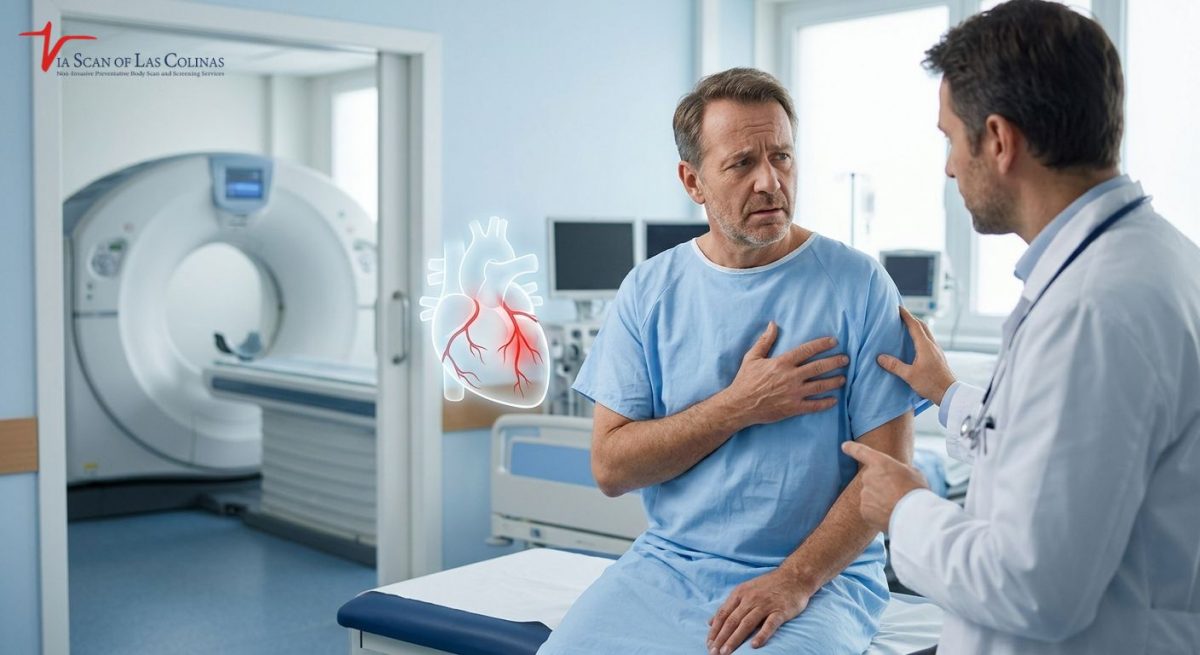

Chest pain and pain in the left arm can mean there is a cardiovascular problem, and prompt medical evaluation is needed. Knowing the combination of these symptoms can help you take the necessary action at the right time. These two symptoms combined are amongst the most well-known indications in medicine, and although not all cases involve a heart condition, the combination should not be ignored. This blog will discuss why it happens, when it is an emergency, and when heart imaging can fit in.
What is the reason that chest pain and pain in the left arm occur at the same time?
Chest pain and pain in the left arm are interconnected, as the heart and the left arm are connected by the same nerve pathways. This is because when the heart is stressed, the pain travels through these common nerves to the arm, shoulder or jaw, even if the chest actually has only a small degree of discomfort. This is known as referred pain and is one of the main reasons for this symptom set being given serious medical attention.
Common & Serious Underlying Conditions
- Cardiac issues like coronary artery disease, angina, and heart attack are among the most severe possibilities for this symptom complex — particularly if the chest pain is sudden, sharp, and pressing or tightening and spreads from the chest to the left arm or shoulder.
- Both areas can be affected by musculoskeletal problems, such as a pinched nerve in the neck, rotator cuff problem or inflamed chest wall muscles, both of which tend to be aggravated by movement or pressure but are not aggravated by physical exertion or emotional stress.
- Chest tightness and arm discomfort may cause symptoms similar to those seen with cardiac conditions and are one of the more frequently confused non-cardiac causes of chest discomfort, anxiety and panic attacks (but should always be assessed by a professional and not taken as non-serious).
When is chest pain & L arm pain a medical emergency?
Assume this is a medical emergency until you have proof to the contrary. Some of its other symptoms are sufficient to warrant urgency. If any of the following are true, please dial 911 immediately.
Warning Signs That Require Immediate Attention
- Sudden pressure, squeezing or tightness in the chest spreading into the left arm, jaw, neck or back (especially at rest or light activity) is a classic pattern that is associated with a cardiac event and should be evaluated immediately.
- If the shortness of breath occurs in addition to chest and arm pain, this is a major concern, particularly in people who have other cardiovascular risk factors, like high blood pressure, diabetes or have a family history of heart disease.
- Heart attack symptoms in women are different than in men, and can include unusual fatigue, nausea, jaw pain or slight arm discomfort without any dramatic chest pain; it’s all the more critical that women realize what to look for.
- The following symptoms, even if they are individually mild, are all warning signs that should trigger emergency medical care – sweating, dizziness, lightheadedness or a feeling that something is seriously wrong, in addition to chest and left arm pain.
What are some differences between heart-related and muscle or nerve pain?
Chest pain usually occurs as pressure, squeezing or heaviness, rather than a sharp or stabbing pain, and is more likely to be related to the heart. Is commonly associated with physical exertion or stress, is aggravated by movement, and can radiate beyond the chest. Muscle or nerve pain typically increases with certain movements, relaxes when resting or changing positions and does not spread out.
Identifying possible cardiac symptoms
A cardiac chest pain is usually heavy, tight, or crushing but is often described as pressure rather than pain. It can spread to the left arm, shoulder, jaw or back. Sometimes the symptoms of a heart attack in women are more subtle, such as fatigue, nausea, or mild discomfort in the arm, but without any chest pain.
When should someone with chest pain and left arm discomfort be referred to a cardiologist for a cardiac MRI?
Imaging of the heart may be indicated if symptoms are suggestive of a possible cardiac etiology and a more detailed understanding of the heart’s condition is desired. Doctors usually start with an ECG and blood tests, then decide whether imaging such as an echocardiogram, stress test or CT is needed.
Factors That Influence Diagnostic Decisions
- If a person has a personal or family background tied to heart disease, also high cholesterol, high blood pressure or diabetes , there’s usually a better chance that a healthcare professional will nudge them toward cardiovascular imaging as part of a broader assessment for recurring or just unexplained symptoms in the chest and arms
- People who get frequent chest pain and arm pain, that really doesn’t clearly point to something musculoskeletal, might be referred for imaging tests, so they can look at the coronary arteries for any kind of blockage , which could be an early clue of cardiovascular disease.
- Heart attack symptoms in women are often mild, not recognized, or not diagnosed, because they may manifest as fatigue, mild nausea, or slight discomfort of the arm, rather than the crushing chest pain associated with heart attack in men. Proactive imaging is important in women.
- Individuals who have important cardiovascular risk factors but no symptoms may also be considered for preventive imaging as a proactive step, especially if they wish to have a baseline measure of their heart health before symptoms develop.
For people without symptoms, a coronary calcium scan can help estimate future heart risk. It is not a test for chest or arm pain.
Conclusion
Chest pain together with left arm pain should always be taken seriously. If you are not sure what is causing it, call 911 first.
References: CardioSmart (American College of Cardiology) — Coronary Artery Calcium (CAC) Scoring
American Heart Association — Heart Attack and Stroke Warning Signs