
Why does my left arm feel weak all of a sudden
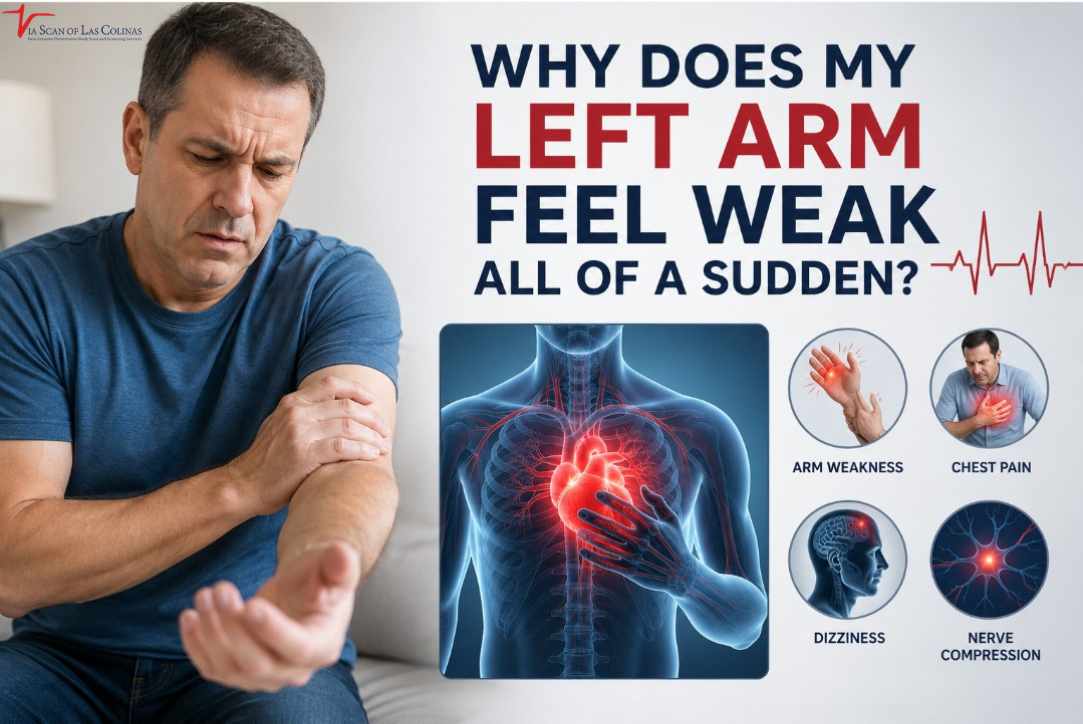

If you suddenly notice that you have weak arm strength, it may be a sign of trouble and you could be the one to save your life by taking action. You may feel like your arm simply “went out” or you may feel numbness suddenly when you are sitting down. It doesn’t matter how it feels, the change in your body should not go unnoticed. This blog explains why it can happen, when it is an emergency and what steps you can take to stay on top of health issues.
What Can Cause Sudden Weakness in the Left Arm?
If the left arm is suddenly weak, a lot of times, it doesn’t mean the worst, but it definitely means something. They can be caused by a pinched nerve, a muscle strain or a more serious condition such as heart or brain disease. When determining what is actually going on, your age, health history and any other symptoms occurring simultaneously are all important.
Common and Serious Medical Causes
The sudden weakness of one arm may be caused by anything from a pinched nerve or a strained muscle to something more serious, such as a stroke or heart attack. Other causes are cervical disc disorders, blood flow blockages, or nerve damage. Every case is unique and so it is always advisable to take professional advice before taking any action.
Suddenly Weak Left Arm is a Medical Emergency When?
Yes, left arm weakness is a medical emergency and there are some specific signs that indicate that you need to call 911 NOW, not tomorrow, not after a nap. If the weakness suddenly develops and is accompanied by other symptoms, your body is sending a serious alarm. Do not ignore it.
There are several warning signs that will need immediate attention.
- One of the most common symptoms of a heart attack is pain in the left arm that spreads quickly to the chest, jaw or back if this occurs, COAL EMERGENCY SERVICES IMMEDIATELY.
- If the droop in the face is accompanied by sudden confusion, slurred speech or impaired comprehension, it could be a sign of stroke and should be treated as an emergency immediately.
- Any combination of pain in the left arm and shoulder and shortness of breath, cold sweats, and nausea should never be ignored and especially not in individuals who have heart risk factors or a family history of heart disease.
- If, despite mild expression of other symptoms, there is a sudden decrease in grip strength or inability to lift the arm without any physical injury, this should be regarded as a red flag and the person should be medically assessed on the same day.
Is Nerve Compression or Injury a Cause for Left Arm Weakness?
Yes, they can and this is one of the lesser-known reasons. Your nerves run from your neck, all the way down through your shoulder and into your arm. If the pathway is compressed, irritated or damaged in any part, the signal is disrupted and the arm may feel weak, heavy or numb. Fortunately, many nerve disorders are highly responsive to treatment once they are correctly diagnosed.
Pinched nerves and muscle strain can have the following effects:
- When the herniated disc in the cervical spine presses on the nerves that pass into the left arm, there may be weakness or numbness, or they may feel like a buzzing or electric sensation that radiates from the shoulder down to the fingers, a sensation that is often described as female left arm tingling.
- Thoracic outlet syndrome is when a nerve or blood vessel becomes pinched between the first rib and collar bone, causing arm weakness, heaviness, and less blood flow, which can happen quickly in certain positions or actions.
- Over time, rotator cuff injury or shoulder impingement damages the other muscles and nerves around the shoulder, leaving them feeling weak when they actually are, but possibly after weeks or months of a slow onset.
- Long-term inflammation and muscle fatigue can be caused by repetitive strain that occurs in a variety of different activities – such as sitting for extended periods of time and typing at a computer, heavy lifting, overhead sports movements – and can be mistaken for nerve-related weakness.
What are the connections between left arm weakness or discomfort and heart-related conditions?
There really is a heart to left arm relation and it’s well established and significant. The heart and left arm have similar nerve pathways, so if the heart is stressed, pain or discomfort can manifest itself in the arm instead or in addition to the chest. This is referred to as pain and why sometimes people don’t even realize that they’re having a heart attack, particularly in women.
Learn and recognize the potential cardiovascular symptoms.
Left arm and shoulder pain, weakness or discomfort which radiates up the arm, may be a symptom of cardiac disease such as coronary artery disease or an imminent heart attack. Another Symptoms of heart disease in women that may be overlooked is that of left arm tingling sensations, as this may seem mild or be easily dismissed. If such feelings occur in conjunction with fatigue, nausea or tightness in the chest, medical help should be sought immediately.
Choose Our Preventive Heart Scan
Early Detection Saves Lives!
-
- Accurate
- Quick Result
- Affordable

Conclusion
People who wish to gain a better understanding of their cardiovascular health before symptoms worsen can receive non-invasive preventive imaging services at ViaScan of Las Colinas, such as a heart scan, heart CT scan and whole-body scan. For instance, a heart CT scan can reveal the presence of calcium deposits in the coronary arteries, which is one of the earliest measurable signs of heart disease, even in healthy individuals who don’t have any symptoms at all.
A heart scan can provide that estimate, and allow you and your healthcare professional to discuss your risk in a well-informed way based on the facts. The whole body scan is designed to look further at regions that regular examinations may not be able to detect, and provides a more comprehensive picture of what is going on silently within the body. ViaScan does not offer treatment services, they are awareness services to help identify early detection and to enable preventive decision making.