
Female Chest Pain Left Side Above Breast: When It’s Serious vs Normal
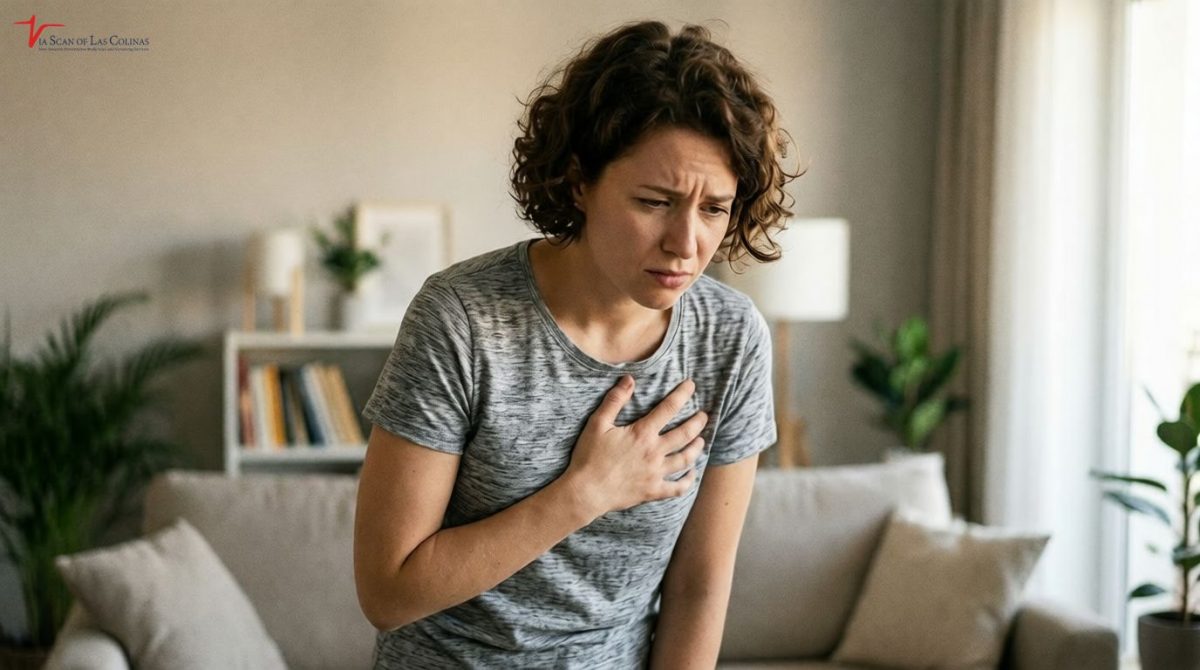

When a woman experiences left-sided chest pain above the breast, it can be a pulled muscle, or it could be a cardiac alarm, and it’s all in the knowledge. This is one of the most common symptoms for women to seek urgent medical attention and for good reason. Some causes of left chest pain in females are totally benign and self-limiting. Others are in need of urgent intervention. Each scenario is answered in a straightforward manner to guide you on when to worry about chest pain and what to do in the clearest possible way.
What are the most common causes of left-sided chest pain above the breast in women?
There are a variety of reasons for left chest pain in women, ranging from muscle strain to serious heart problems. Just because something is in a particular location does not mean that it is severe. The entire picture of symptoms, timing and person’s health history is important.
Muscular, Breast, and Heart Related Causes
- Left chest pain is one of the common causes in women due to musculoskeletal strain. Costochondritis is inflammation of the cartilage that joins the ribs to the chest bone and is painful when touched or moved, or is caused by exercising, coughing, or doing physical activity.
- The most common upper left chest pain associated with the breast is caused by fibrocystic changes, cysts or hormonal breast tenderness. This kind of pain is more likely to ebb and flow through the course of the menstrual period, and is more of a “tender” than a “deeper” or “pressure” sensation.
- Chest pain associated with cardiac problems such as coronary artery disease, angina or a heart attack may be experienced on the left side above the breast, sometimes as a pressure, heaviness or tightness that spreads to the arm, neck or jaw. Women have a higher risk than men of having atypical symptoms of the heart that are easily missed.
What is the normal/temporary range of left sided chest pain above the breast?
Left sided chest pain is not always serious. There are a number of well-known, non-threatening conditions that cause temporary discomfort that can be treated at home. These are typically low concern if they are observed alone, without other warning signs.
Significant and recurrent symptoms that are considered common benign causes and are self-limited will be excluded from the list.
- If the pain is only felt when applying pressure to the chest wall or moving in a direction, it is most likely musculoskeletal in nature, but not cardiac.
- If it occurs after a hard workout, after heavy lifting or after a long cough, the discomfort is more likely to be muscular and will go away in a couple of days with rest.
- For many women, hormonal breast tenderness can be experienced before or during menstruation and feels tender.
- Acid reflux or gas can cause a discomfort in the left side of the chest which may be confused with more serious causes, and is often feeling of burning, bloating and/or pressure that improves after eating or taking antacids.
- Anxiety and stress can cause chest tightness, chest pain and shortness of breath that seem frightening but go away when the anxiety subsides.
Which of the following are Warning Signs that Chest Pain Could Be Serious?
Some symptoms can make chest pain a medical emergency, rather than a low concern issue. When it comes to chest pain female, being quick to act in a cardiac event makes all the difference in the world.
Symptoms that need immediate medical attention
- If the pain is not sharp or positional and doesn’t go away with rest or position changes, it is a sign of trouble.
- If the pain radiates from the chest to the left arm, shoulder, jaw, neck or back, call emergency services immediately.
- If the chest pain is mild but accompanied by shortness of breath, the concern level is much higher and evaluation is of urgency.
- Any chest discomfort, dizziness, cold sweats or sudden nausea and a feeling something is wrong are all considered cardiac warning signs in women and should not be ignored.
- Understanding the signs of a cardiac event that is important for women, and that women may have a different set of symptoms.
What are the differences between having heart-related chest pain and having breast, muscle or digestive discomfort?
Chest pain is different when it’s caused by the heart. Knowing about the chest pain diagnosis in women can help differentiate cardiac event from non-cardiac causes even before arriving at the doctor’s office.
Identifying possible early signs of heart problems
- Cardiac pain doesn’t affect when you walk. Movement and pressure to the site of pain intensifies the pain. Cardiac pain does not vary with movement or respiration.
- Cardiac pain can radiate from the chest. The tenderness in the breast can remain localized and the muscle pain remains in the affected area. The pain from the heart often spreads to the jaw, left arm, back or shoulder, due to shared nerve pathways.
- Cardiac pains are not relieved with antacid and just lying down. Changes in diet or antacids can often help with digestive discomfort. Cardiac pain is not affected by these actions and can worsen with exertion, physical or emotional stress.
- Cardiac pain in females frequently comes together with general signs and symptoms. Fatigue, nausea, lightheadedness, and difficulty breathing, when accompanied by chest pain, signal a heart-related problem as one of the chest pain differential diagnoses women should be aware of and discuss with their healthcare provider.
Choose Our Preventive Heart Scan
Early Detection Saves Lives!
-
- Accurate
- Quick Result
- Affordable
Conclusion
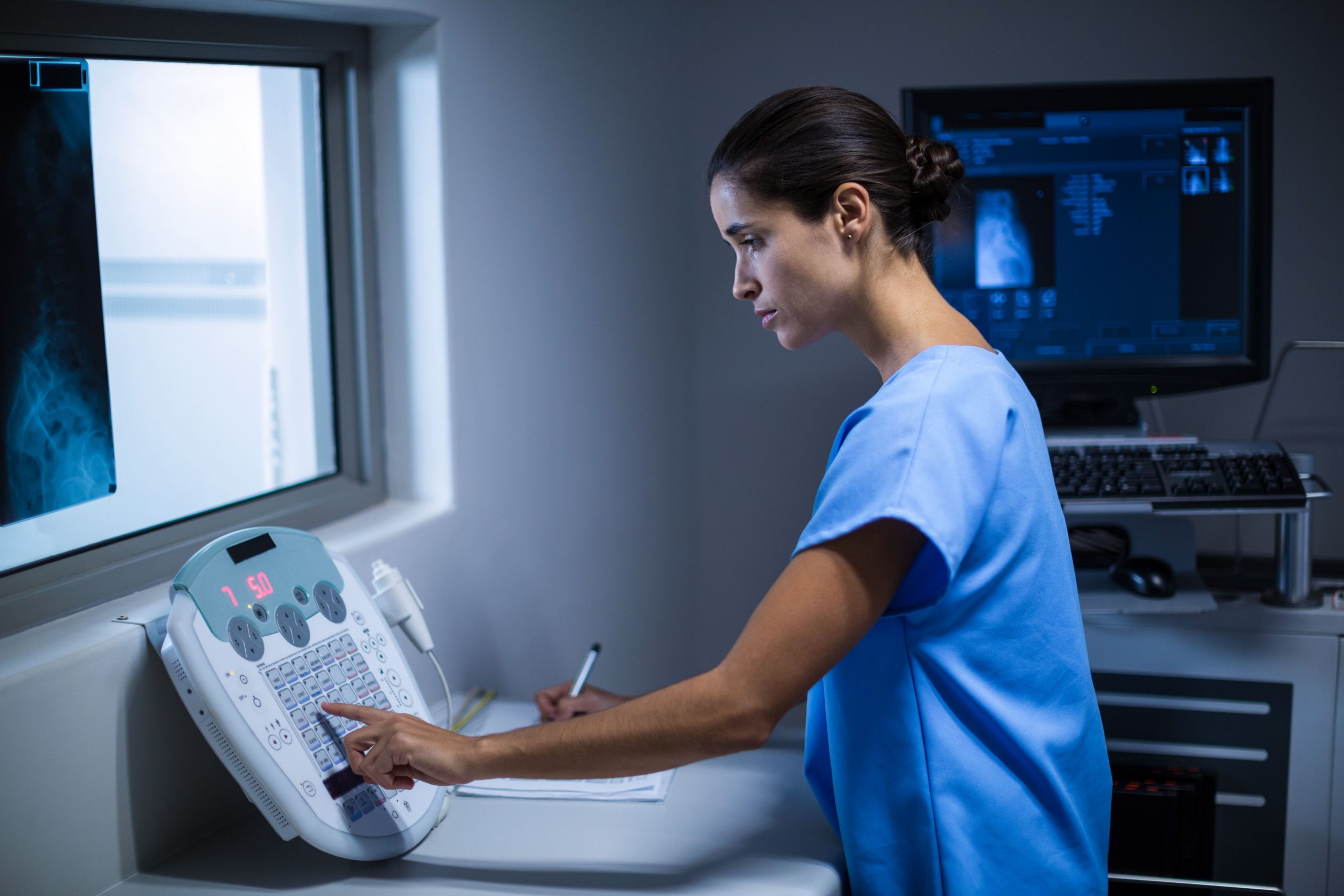
Risk factor stratification is a valuable next step for women who want to gain a better understanding of cardiovascular health, particularly those with recurrent symptoms or a family history of cardiovascular disease. Even women who do not experience any symptoms can have calcium deposits in the coronary arteries, one of the earliest measurable signs of cardiovascular disease, identified by a heart CT scan at ViaScan of Las Colinas. The heart scan allows the patient and his/her health care provider to have a precise, evidence-based baseline for talking with them about heart disease risks. The full-body scan can be used as part of an ongoing health plan by female patients for a more comprehensive assessment covering multiple systems for a preventive heart checkup that is non-invasive. These are awareness and detection methods, not diagnostics and are best used in conjunction with a proactive conversation with a licensed health care provider.