Lung-Cancer-Screening-Guidelines.jpg
24/Feb/2025

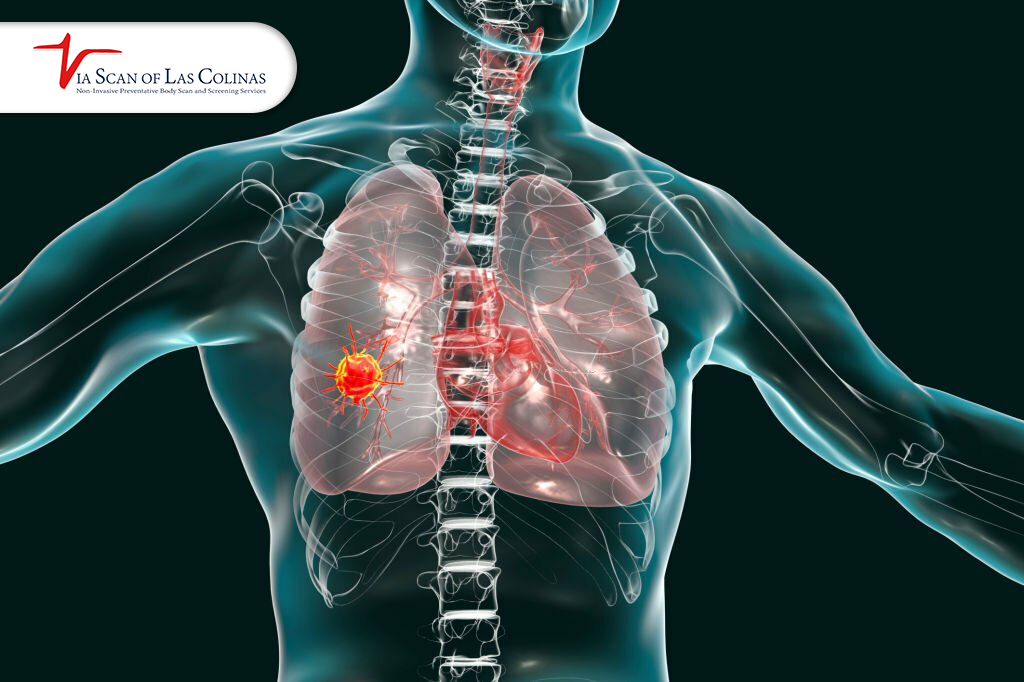
Early detection of lung cancer improves survival rates greatly, and it is one mode of death from cancer in the world; some phrase it as one of the deadliest forms of cancer. So, by 2025, technological advances in screening and new guidelines will make lung cancer detection more accurate and more accessible. It is very important to orientate towards the screening of lung cancer in the initial stages, as it often happens before the symptoms appear. Learn more about the latest CT lung cancer screening guidelines and the best answers to questions on new eligibility criteria, ways recommended screening methods, and how research has made a difference. How do I diagnose lung cancer? Or Should I have a low-dose CT scan to get an early detection of lung cancer? This guide will explain this in detail.

Who Should Get Screened for Lung Cancer?

Not everyone should be recommended to have lung cancer screening. The newest version, which was completed in 2025, concentrates on high-risk people according to certain criteria. All health organizations recommend that individuals between ages 50 and 80 are screened annually for those of whom 1) have 20 pack years history of smoking; 2) are current smokers or gave up between 15 years and 1 year ago; 3) have other risk factors such as exposure to asbestos, family history of lung cancer, chronic respiratory diseases or other. Recent research supports these guidelines. 2023 The New England Journal of Medicine study showed that expanding screening criteria to include those with a 20-pack-year smoking history decreased (from 30 days), and they rose by 15 percent in the early lung cancer detection rate (Smith et al., 2023).

What Is the Best Method for Lung Cancer Screening?

A low-dose CT scan (LDCT) is the preferred way of screening for lung cancer. It uses very little radiation yet gives a detailed picture of the lungs so that doctors can detect small nodules or abnormalities suggesting cancer. LDCT is highly effective. The National Cancer Institute (2022) showed that LDCT reduced lung cancer mortality by 20% compared to chest X-rays. High-risk individuals have a safer and more convenient option in this noninvasive scan, which takes only a few minutes without using contrast dye.

How to Diagnose Lung Cancer After a Screening?

A low-dose CT scan is used to create an image of the inside of the body if lung cancer is suspected, and if the body is found to be abnormal, this requires further diagnostic tests to confirm the presence of lung cancer. Typically, during the diagnostic process, the nodule is followed by follow-up imaging, meaning that another LDCT scan may be taken within the next few months to check changes in the size and shape of the nodule. A positron emission tomography (PET) scan is used to see if a lung nodule is cancerous by monitoring metabolic activity. Biopsies (removal of a small tissue sample) are performed by bronchoscopy or CT-guided needle biopsy in the case of suspicious growths. Advanced genetic testing of the tumor sample allows the determination of the type and potential targeted therapies of the cancer. A 2024 study in JAMA Oncology states that molecular diagnostics in the form of lung cancer detection enable targeted therapies and outcome improvements in patients (Johnson et al., 2024).

What Are the Risks and Benefits of Lung Cancer Screening?

In a limited study of doctors who advised patients to have low-dose CT screening, all the doctors reduced the risks, but none could properly explain screening to their patients.

  • Pros
    Three out of 1,000 high-risk individuals who were examined yearly for three years and monitored for five years were spared from lung cancer death in the National Lung Screening Trial. The duration of this advantage is unknown. In addition to having greater risk factors and pack-years of smoking, those who are most likely to benefit also typically die from other reasons earlier than healthier ex-smokers.
  • Cons

    False positives. About 250 out of 1,000 high-risk individuals who are screened and do not have cancer will be informed that their low-dose CT scans reveal an anomaly that could be cancer, according to the National Lung Screening Trial.14 According to preliminary statistics from low-dose CT use in the community, the false-positive rate could be substantially greater.15. False-positive results can raise medical expenses, result in needless additional testing, and damage and worry patients. False-positive results account for 95% of aberrant low-dose CT results.

Choose Our Lung Scan

Early Detection Saves Lives!

    • Accurate
    • Quick Result
    • Affordable

Conclusion

The early warning signs of lung cancer, if recognized, will increase your chances of early disease diagnosis and success of treatment. However, with these symptoms, a CT scan to rule out or diagnose lung cancer in the early stages is an essential step. The advanced imaging solutions provided by ViaScan include precise CT scans that help detect lung abnormalities so the needed medical intervention can be done as early as possible. Act now to save your life by early detection.


Chronic-Obstructive-Pulmonary-Disease-and-ICD-10.jpg
17/Feb/2025

Chronic Obstructive Pulmonary Disease (COPD) is a progressive lung disease occurring in millions of people globally. Persistent respiratory symptoms and airflow limitation are due to airway and alveolar abnormality. Normally, long-term exposure to harmful particles or gases is associated with COPD and usually to cigarette smoke. Medical coders, as well as healthcare providers, face the constant need to assign specific diagnostic COPD codes to maintain correct documentation and submission. This blog will give an insight into the significance of the ICD 10 coding system in identifying COPD conditions with an example of a popular ICD 10 code for COPD exacerbation.

How is COPD a Disease, and why does Accurately Diagnosing it matter?

COPD is a chronic respiratory disease characterized by two main symptoms: chronic bronchitis and emphysema. Breathing difficulties, chronic cough, and frequent respiratory infections accompany these conditions. Accurate diagnosis is very important as it helps in the appropriate treatment of COPD, which can avoid the patient’s readmission and improve their quality of life.

Lopez-Campos et al. (2016) argued that early diagnosis and intervention in COPD patients can significantly reduce mortality and healthcare costs. Thus, it is important to use the ICD-10 coding system correctly so that healthcare providers can accurately monitor or track the number of COPD patients, improve hospital patient outcomes, and facilitate insurance claims.

What is the ICD-10 code system, and how is that Applied to COPD?

The ICD-10 code used to classify and code health conditions is standardized worldwide. The ICD-10-specific codes for the stage and complications of COPD are available to help healthcare professionals be more detailed about the amount and type of the condition.

For example, the primary ICD-10 code ICD-9 for COPD without complications is J44.9, which refers to unspecified COPD. However, when patients’ symptoms worsen, or patients experience flare-ups, the code is J44.1, which stands for COPD, with acute exacerbation. The right use of the code, such as the ICD 10 code for COPD exacerbation, guarantees adequate care to patients and accurate reimbursement to healthcare facilities.

When and how is the ICD 10 Code for COPD Exacerbation used?

An exacerbation is a sudden increase in the severity of symptoms of COPD, such as increased breathlessness, excessive coughing, and wheezing that a doctor often treats. J44.1 is the appropriate ICD-10 code for COPD associated with an acute exacerbation. The absence of this code is critical, as, without it, you do not have met the criteria for routine COPD management; it also avoids hospitalization and emergency care for patients with severe respiratory distress.

Hurst et al. (2010) reported that COPD exacerbations are responsible for significant disease progression and deaths. Applying the ICD 10 code for COPD exacerbation not only indicates how severe the patient’s predicament is but also helps with making strategic treatment plans and better allocating resources in health facilities.

How Accurate ICD-10 Coding Benefits COPD?

ICD-10 coding is important and benefits patients and healthcare providers. These benefits include timely and appropriate care during exacerbations and accurate reporting of health data, which is crucial for public health research and resource planning.

Healthcare systems can track patterns in COPD exacerbations to enable better preventive strategies or fewer hospitalizations. Using the suitable ICD 10 code for COPD exacerbation guarantees healthcare experts legitimate recompense for their contributions, enabling them to succeed in attending to this.

Choose Our Lung Scan

Early Detection Saves Lives!

    • Accurate
    • Quick Result
    • Affordable

Conclusion

COPD is a very serious health condition that requires a correct diagnosis and proper medical coding to manage. During exacerbations, it is important that patients get the needed care, and the ICD 10 coding system helps a great deal. The research results underline the role of early intervention and adequate documentation in minimizing the complications of COPD.

ViaScan offers comprehensive diagnostic lung health screening and imaging solutions for those who need advanced diagnostic screening and services to help detect and monitor respiratory conditions such as COPD. You can trust ViaScan for accurate, professional health assessments that meet your needs.


4-symptoms-of-lung-cancer-that-you-should-be-aware-of.jpg
10/Feb/2025

Lung cancer ranks among the top cancer-causing deaths worldwide and is usually discovered only at an advanced stage. Detection at an early stage will improve survival rates, but such signs are often overlooked. Many of these symptoms should be recognized, and people should seek immediate medical evaluation, including a CT scan where possible, to make a big difference in outcomes.

Is a Persistent Cough a Painless Sign of Lung Cancer?

A persistent cough that haunts you for more than eight weeks is indeed an early indicator of lung cancer. Occasional coughing is not unusual, but a persistent cough that gets worse over time coughs up blood, or turns phlegm-colored should not be ignored. In this study by Rivera et al. (2020), one of the most common symptoms reported by lung cancer patients is persistent coughing, thought to be an external infection or allergies that last. If a cough doesn’t respond to usual treatments, it is a good idea to have a CT scan or, more specifically, a lung scan to find out what is causing it.

Why Does Shortness of Breath Occur in Lung Cancer Patients?

Dyspnea occurs when lung tumors block airways or fill fluid in the lungs. Gradually, this symptom may develop, and it may become apparent during physical activity. However, as it progresses, even basic tasks such as climbing the stairs or taking short walks can be very difficult. According to Wang et al. (2021), shortness of breath is commonly linked to reduced lung function resulting from the growth of tumors and, thus, a symptom for early detection. Seeking medical attention and having a lung scan to diagnose lung conditions can help if breathing difficulties persist.

Is Unexplained Weight Loss Related to Lung Cancer?

Unexplained weight loss is a common symptom of several cancers, including lung cancer. The spread of such cells to other parts of the body, when they create a different metabolism in the body, can cause rapid weight loss with no diet change. In addition to unintended weight loss, patients may have poor appetite or are extremely fatigued. Rivera et al. (2020) note that more than 60% of lung cancer patients at the time of diagnosis suffer considerable weight loss. A CT scan ought to be done if anyone has unexplained significant weight loss (more than 10 percent of body weight) within 6 months.

What Role Does Chest Pain Play in Lung Cancer Diagnosis?

Other alarming symptoms include chest pain. Tumor growth in lung cancer patients can cause chest pain if it presses on the chest wall, nerves, or ribs. It can be a persistent pain, or it can be intermittent and gets more painful with deep breathing, coughing, or laughing. Wang et al. (2021) suggest that chest pain stemming from the removal of lung tumors near the pleura (the membrane that surrounds the lungs) is more common. A person’s doctor can seek a CT scan to rule out any problems if they have unexplained chest discomfort, together with other symptoms such as coughing or breathlessness.

Choose Our Lung Scan

Early Detection Saves Lives!

    • Accurate
    • Quick Result
    • Affordable

Conclusion

The early warning signs of lung cancer (which, as you know, includes persistent cough, shortness of breath, unexplained weight loss, and chest pain), if recognized, will increase your chances of early disease diagnosis and success of treatment. However, with these symptoms, a lung scan to rule out or diagnose lung cancer in the early stages is an essential step. The advanced imaging solutions provided by ViaScan include precise CT scans that help detect lung abnormalities so the needed medical intervention can be done as early as possible. Act now to save your life by early detection.


What-are-the-four-signs-and-symptoms-of-a-rib-fracture.jpg
03/Feb/2025

A rib fracture is a painful injury and possibly a serious one caused by direct trauma, severe coughing, or secondary to medical conditions that weaken bone. This part of the body is very important for the protection of vital organs, and damage to this part of the body may greatly limit breathing and movement. Early identification helps to ensure timely treatment without any complications. To explore this blog, we are going to discover four key signs of a broken rib found in medical research and see how a CT scan can be used to confirm the condition.

How Does Chest Pain Indicate a Rib Fracture?

Chest pain is one of the most common and immediate signs of a rib fracture. The pain normally deepens with deep breathing, coughing, or movement. This is because the fractured rib may slightly shift, which will irritate the muscles and tissues around them. Rib fractures cause patients to be uncomfortable when lying on the side of the injured rib or when pressure is placed on the affected area, as listed by a study by Livingston et al. (2008). When ignoring persistent ‘chest pain’ should not be overlooked as it may show the presence of a severe injury that needs medical intervention. Usually, a fractured rib heals on its own; however, complications such as lung damage, pneumonia, or even death may occur if left untreated. Ice packs can be applied, pain medications can be prescribed, and medical evaluation is still indicated for the removal of discomfort.

Why Does Difficulty Breathing Occur?

In such cases, pain and inflammation surrounding the rib cage may make breathing difficult due to a fractured rib. When a rib is broken, Deep breaths are avoided naturally as the body tries to reduce discomfort. However, shallow breathing can cause pneumonia because expanded lungs are not being used adequately (Bulger et al., 2010). Seek medical help if breathing becomes too labored to the extent of pain. A CT scan may be suggested to see how bad the injury is and to rule out if any internal organs have been damaged. In severe cases, oxygen support or respiratory therapy is required to sustain the proper function of the lungs. Patients are often told to do controlled breathing exercises to combat lung infections and look after recovery.

Is Bruising and Swollen a Sign of a Fracture?

Additional rib fracture indicator symptoms include bruising and swelling over the injured rib cage area. Blood vessels around the broken rib are damaged, and when this happens, there will be localized discoloration and inflammation. In addition, chest pain may be further restricted by the presence of swelling. A doctor often uses a CT scan to distinguish between a rib fracture and another injury like muscle strain or contusions. This bruising may take a few days to develop fully, and the soreness around the area may last for weeks. They suggest the use of compression bandages or supportive wrapping to decrease movement and decrease pain. However, one should not try to tighten too much, as stretching your skin can cause more restrictions on breathing.

Choose Our Full Body Scan

Early Detection Saves Lives!

    • Accurate
    • Quick Result
    • Affordable

Image

Why Do Some People Experience a Cracking Sensation?

Others with a fractured rib tell there’s a cracking or grinding sensation over where it’s injured. This symptom (crepitus) occurs from the broken ends of the rib rubbing against each other. A break doesn’t always happen with this; however, it is a strong indication. More intensive medical care is required if a case involves multiple fractures or displaced ribs, as postulated by Bulger et al. (2010), and this may signal such sensations. The severity can be confirmed with a CT scan, and appropriate treatment can be chosen. If a patient feels crepitus, great caution should be taken not to move as much as possible and seek immediate medical attention to prevent further injury. Very severely displaced ribs may require surgery to stabilize them.

Conclusion

It is important to recognize the signs of rib fracture to avail timely medical attention. Persistent ‘chest pain,’ trouble breathing, visible bruising, and swelling of the rib cage should never be ignored, all of which can accompany the danger signals experienced previously by the patient. A CT scan is very useful in confirming the diagnosis and treatment. Seeking medical attention if you suspect a rib fracture is important to prevent complications. That’s why ViaScan offers highly advanced imaging services to diagnose rib fractures and other injuries effectively. Early detection can make a big difference in recovering and feeling overall well. Improving the chances of a full and smooth recovery from rib fractures can occur if symptoms are addressed promptly and appropriate medical advice is followed.


How-to-Relieve-Upper-Stomach-Pain-Immediately.jpg
27/Jan/2025

Everyone deals with discomfort in their upper stomach regularly. Most of the time, symptoms emerge without notice and affect your comfort level. Digestive medical conditions often produce pain in the space between your ribs and the bottom part of your stomach. Finding out the origins of abdominal pain helps doctors develop the best treatment plans to reduce both symptoms and treat underlying medical conditions. Our blog will explore practical ways to ease upper stomach pain immediately. This blog explains which health problems cause stomach pain and describes both how to manage the discomfort quickly plus when to seek medical help. This guide demonstrates proven ways to handle your discomfort.

What leads to Upper Stomach Pain most Frequently?

Determining what triggers abdominal pain helps you find proper solutions to feel better. Stomach pain usually starts from issues with digestion that produce gas and acid reflux. Stomach troubles come from the stomach making extra acid and having trouble breaking down specific foods. Spicy or fatty foods, such as pepperoni pizza, can damage your stomach lining tightly and cause pain that spreads toward your ribcage area.

Research from 2015 shows functional dyspepsia causes most patients to experience persistent upper abdominal pain. Inflammation of the stomach lining can trigger this problem. Infection from alcohol misuse plus NSAID use can cause stomach damage to form this condition. Many people develop gallstones that build up in their gallbladders, which produce severe upper abdomen pain. Peptic ulcers form from excessive stomach acid or Helicobacter pylori infection to create painful sores in the stomach lining. Strenuous activities put enough pressure on your muscles to cause pain above your rib cage. 

What Home Methods Treat Upper Stomach Pain?

To manage moderate upper abdominal pain at home, you can use several useful treatments. You can treat upper stomach pain using changes to your diet, plus relaxation tools along with medicines you can buy without a prescription. Warm ginger or chamomile tea mixed with water soothes stomach discomfort while lowering inflammation levels in the abdominal area. You must stay away from heavy and acidic meals because these items will make your pain worse.

Placing a heated pad or warm fabric over the area between your ribs eases sore muscles and makes meals go better. Deep breathing exercises help you manage stress that leads to stomach discomfort. According to Choi’s 2017 research, peppermint oil successfully eases stomach discomfort caused by indigestion and gas. Snacking on peppermint tea or taking oil supplements regularly can help you feel better quickly.

Can you find good Pain relief results with OTC medicines?

Available medicines at retail stores work well to treat stomach pain when you know its source. For instance:

  • Antacids: The medicines work by canceling out stomach acid to treat acid reflux and indigestion.
  • Proton Pump Inhibitors (PPIs): These medications stop acid production and treat serious stomach conditions, including gastritis and peptic ulcers.
  • Simethicone: This remedy works by splitting gas bubbles for people who experience digestive system discomfort.

Before using OTC medications, check the package labels and follow the instructions. If these treatments do not help your pain persist, visit your healthcare provider to determine what is causing it. If you feel pain around your rib area that doesn’t go away or have ongoing stomach pain, you may need help from medical experts.

When do you need to visit a doctor?

Many upper stomach problems can be handled through home treatments, but you should visit a doctor right away when specific symptoms appear. When OTC pain relief does not help your symptoms and your pain intensity keeps growing, you should not delay medical help. Medical services need to be contacted right away when you notice blood coming up through your vomit or when you see dark blood residue in your stools because of internal bleeding. When chest pain spreads to your arms or jaw and affects breathing, it creates a real heart attack danger, so you must get emergency medical help right away.

You should get professional medical care when you experience unknown weight loss combined with stomach pain above your waistline because these signs point toward digestive problems, including ulcers or cancer. Contact a doctor right away when these symptoms appear. Waiting to start treatment will make recovery more difficult and create health problems.

Choose Our Full Body Scan

Early Detection Saves Lives!

    • Accurate
    • Quick Result
    • Affordable

Image

Conclusion

Knowing what causes upper abdominal pain and what helps it go away can make it easier to manage. Many methods help reduce pain, including specific dietary changes, medicine from drugstores, and natural home treatments for discomfort near the ribs. However, it is necessary to detect when medical treatment requires professional assistance. ViaScan puts your health first as our focus. If your stomach pain persists, our advanced scanning helps reveal what causes your discomfort through genetic analysis. Contact us now to explore our complete testing services and get started on your path to better health.


How-Long-Does-an-Angiogram-Take-1.jpg
20/Jan/2025

The best way to avoid stress and be fully empowered for a life-changing decision like an angiogram is to know all about angiograms. It’s important to know more about how long it will take, what to expect, and why this procedure is required if you are planning a coronary angiogram or a CT coronary angiogram. This blog should give you an idea of how long angiograms will take, why angiograms are done, and anything you need to know about angiograms to prepare for this important step in managing your cardiovascular health.

What Is an Angiogram?

An angiogram is an invasive procedure in which your doctor takes pictures of your blood vessels to determine whether there is any blockage or other problems. A coronary angiogram is even specific to the arteries that feed the heart close and investigates blockages, constriction, or other occurrences that may cause heart difficulties. It is a technique whereby a contrast dye is administered through the bloodstream, and an X-ray picture is taken of the blood vessel. A CT coronary angiogram is quite a non-invasive procedure that uses CT scans to generate images of the arteries. Both techniques are informative in assessing cardiovascular health, but they use entirely different approaches and different periods. Baker et al. (2020) discovered that both conventional and CTCA offer valuable information to manage cardiovascular diseases. The differences can be a degree of invasiveness and the time it takes for execution.

What is the Duration of the Procedure?

The duration of an angiogram also varies depending on the type of angiogram or the trickiness of the process. Literature shows that a commonplace coronary angiogram should take between 30 and 60 minutes. However, in the case of other interventional procedures like angioplasty or stent implantation, the intervention process may be longer. On the other hand, the CT coronary angiogram, which does not involve any invasive procedures, comes to about 15 to 30 minutes of preparation plus imaging time. Other time variables may bring the total duration to about two hours, including the time that may be spent preparing; for instance, inserting an IV line and going through the patient’s history may take half an hour to one hour. Recovery is another factor with regular angiography since you may have to be admitted and possibly admitted for several hours or overnight for close monitoring. According to Curry and Johnson (2021), the herein outlined factors apply, such as the duration of the procedure depending on the patient’s conditions and other interventions like stent placement.

Which Factors Should Be Expected During This Procedure?

A coronary angiogram is done with the patient unconscious and fully awake due to the use of local anesthesia. A catheter is to be threaded through an artery in your groin or your wrist to the blood vessels supplying the heart. They will use contrast dye and make X-ray pictures to determine the flow of blood. During a CT coronary angiogram, you will have to lie down on a table that then moves into the CT scan area. A contrast dye is injected through a catheter, and you get cross-sectional images of your coronary arteries in less than 5 minutes. The two procedures are non-invasive, but you may experience a very small amount of discomfort when the contrast dye is administered.

What are the advantages and dangers of an Angiogram?

As for the advantages of an angiogram, the diagnostics include the identification of blockage or narrowing in arteries, the early identification of the conditions that may potentially cause heart attacks or strokes, and the direction to other treatments such as angioplasty or surgery. However, as with all kinds of surgical interventions, there are potential complications, including the possibility of an allergic reaction to the dye used during the procedure, blood loss from the site where the catheter was inserted, or, in a few instances, heart problems. Your healthcare provider will explain such risks to you and ensure that you are fully aware of them before the procedure.

Choose Our Preventive Heart Scan

Early Detection Saves Lives!

    • Accurate
    • Quick Result
    • Affordable

Conclusion

The time taken for an angiogram varies with the kind of angiogram. In this case, the CT coronary angiogram takes about 15 minutes, while the traditional coronary angiogram may take an hour or more. Two techniques are valuable to understanding the heart status and assist in organizing its therapy. We value your health and, therefore, provide you with excellent diagnostic imaging services at ViaScan. We promise results and quality treatment as per your requirements.


How-Much-Is-a-CT-Scan-with-Insurance.png
13/Jan/2025

Scanning is one of the essential approaches to diagnosing many diseases, and a CT scan is one of the most popular procedures. However, the cost of a CT scan makes many patients concerned about how ​​a CT scan without insurance. Knowledge of these costs prepares you financially for your healthcare because you will be in a better position to decide. Now, let’s talk about the things that make the costs of CT scans higher, the difference between insured and uninsured costs, and which aspects you should know when selecting the right provider.

What Influences the Price of a CT Scan?

The cost of a CT scan takes into consideration the type of scan to be done, the scanning center, and the region where it is located. For example, a simple head or abdominal CT scan would cost less than a scan that may need the use of contrast dye or specific imaging. Insurance plans are also categorized based on how much of the total cost is covered; the patient must part with the rest. Insured patients may have to pay between $100-$500 for the service after meeting deductible and out-of-pocket expenses.

How much does a CT scan cost without insurance?

However, patients who have no insurance keep asking how much a CT scan costs. The charges of a PET scan range between $400 to $3,000, depending on any of the above factors. As compared to other centers that exclusively deal in imaging and diagnostic services, hospitals are relatively costly, as are their services. If you have no health care insurance, it is common sense to look for a good service provider such as ViaScan and save money. Also, many imaging centers consider the charge of the diagnostic procedure within an affordable range for the uninsured patient, who may be offered rebates or special offers regarding payment options.

Is it possible for insurance companies to not pay for CT scans?

The emphasis within any insurance plan to cover a CT scan depends on whether the scan is regarded as medically essential. When your doctor prescribes the test for a particular ailment or the management of a specific condition, then most insurance companies will likely provide a good measure of coverage. Nonetheless, the optional or prevention imaging scans may not be compensated, and one is likely to pay from their pocket. Patients should always check with their insurance company to see whether the requested scan is covered and if they must pay anything out of pocket.

How can you save on CT scan costs?

To minimize expenses, consider these tips when planning for a CT scan:

  • It’s recommended that imaging centers with reasonable prices be selected, compared to, for example, hospital ones, such as ViaScan.
  • Insurance is always an important factor to consider before surgery; the patient should ask for the out-of-pocket expenses before the operation.
  • For patients without insurance, try to find payment options or even discounts that most imaging centers offer.
  • According to your medical condition, there is perhaps an equivalent, cheaper imaging test that you can undertake.

Choose Our Preventive CT Scan

Early Detection Saves Lives!

    • Accurate
    • Quick Result
    • Affordable

Conclusion

The cost of a CT scan ranges from hundreds of dollars, depending on health insurance, location, and type of scan that the patient requires. Depending on the insurance type, patients who have insurance reimbursed at the commercial rate may pay between 100$-500$, while patients without insurance must spend between 400$-3000$. These factors, by choice of good providers such as ViaScan, make it possible to Strike a balance between quality care and cost. For reading studies, contact ViaScan today for information on our specialized services and learn how we can help save you money on your imaging needs.


44a1c205-ec14-4928-8701-643681d0e751-1200x1145.jpeg
11/Jan/2025

Have you ever felt breathless at the very last stair while going up? Does breathing become a task for you? When breathing feels more like a task, your lung capacity and lung health might be in question. Whether you are interested in improving your climbing capability or just looking to improve your all-around wellness. Understanding how to increase lung capacity can change your picture for the greater part of your life.

In this article, we will discuss how you can increase your lung health. 

What Exactly Do We Mean by Lung Capacity?

In other words, lung capacity is the total amount of air you can breathe into your lungs. The average adult’s lungs can hold roughly 6L of air. However, with normal breathing, only a small percentage is used. Developing your respiratory system will allow you to use your natural capacity more, and depending on how much you appropriate, you could, over time, develop a greater capacity.

Is Regular Exercise Actually Able to Create Better Lungs?

Yes, regular cardiovascular exercise is one of the most effective ways to develop better lungs. Participating in physical activity that quickens your heartbeat. It deepens your breathing, strengthens your respiratory muscles, and makes them more effective at exchanging oxygen (Enright et al., 2006). The researchers found that the stronger the respiratory muscles are, the less energy it takes for them to function. Even when the muscles are resting, breathing more efficiently. 

Your weekly schedule should include these Physical activities:

Exercise through swimming delivers maximum advantages because it enables fitness training along with proper breath management.

  • Running or jogging
  • Cycling
  • High-intensity interval training
  • Rowing

Your respiratory function will improve significantly when you perform moderate exercise for just thirty minutes daily at least five times each week.

Do Breathing Techniques Provide Tips for Healthy Lungs Beyond Exercise?

Exercise establishes basic lung potential, but applying suitable breathing techniques will boost better lung capacity to higher levels.

  • When you use diaphragmatic breathing, you activate your diaphragm instead of shallow upper chest breathing.
  • Position your body on the floor while placing your hand on your chest, followed by resting the hand on your stomach.
  • Take deep breathing through your nose as your stomach expands without noticeable movement in your chest.
  • A slow exhalation through pursed lips helps your stomach to drop down.

What Environmental Factors Should I Control for Better Lung Health?

Your physical setting influences your breathing health to a significant degree.

  • A combination of proper air filtration units and sufficient indoor ventilation will help achieve clean breathing environments.
  • For individuals with compromised lung function or chronic respiratory conditions, medical-grade oxygen concentrators can provide essential supplemental oxygen to maintain healthy oxygen saturation levels while working on improving lung capacity.
  • All types of smoke exposure must be completely avoided, as well as the inhalation of secondhand smoke.
  • Understanding which hazards exist from working with dust-related substances, chemicals, and other respiratory contaminants can help you better protect your lungs.
  • Check air quality reports in your locality while taking outdoor exercise during periods of poor air quality.
  • Keeping yourself hydrated enables your lung mucosa to function optimally.

Choose Our Lung Scan

Early Detection Saves Lives!

    • Accurate
    • Quick Result
    • Affordable

Preventive Screening helps Patients reach Superior Lung Health Levels

The basis of maintaining lung health consists of breathing exercises and physical activity. Together with preventive screening, it delivers extra reassurance to people. Especially to people who have risk factors for respiratory conditions. The advanced imaging technologies used by ViaScan during lung screening detect problems at early stages when no symptoms exist.

The low-dose CT technology at ViaScan performs quick, noninvasive lung assessments that give patients peace of mind. This provider’s prevention services provide customized risk assessments for smokers or those who used to smoke, people at occupational risk, and those with lung disease. Family members should use preventive screening from ViaScan to support their active respiratory wellness efforts.Early detection through screening allows for timely intervention, and when respiratory support is needed, quality oxygen concentrators ensure patients receive the oxygen therapy necessary for optimal health management

Lung health benefits from your proactive lifestyle decisions combined with appropriate preventive screenings, which provide a complete form of lung care that helps you breathe better physically and emotionally for an extended period.


pulmonary-embolism.webp
10/Jan/2025

A pulmonary embolism is one of such medical emergencies, which are frightening and, indeed, serious. The good news is, however, that with knowledge about what to be careful of and quick action, you can save your life. Knowledge of the rate of development of a lung clot into a serious trouble assists you in understanding when to seek assistance immediately.

Being a specialist in diagnostic imaging, I have witnessed how timely diagnosis using the advanced lung scans and CT pulmonary angiography can save lives. This blog also details the rates at which a pulmonary embolism could be life-threatening, what the symptoms of PE are to be observed, and why it is more important to get scanned early. With diagnostic imaging and scanning services, we assist doctors in knowing what is going on in your body. Imagine us as the professionals to get the photographs of your internal organs that will assist your doctor in making the appropriate choices.

How quickly can a Pulmonary Embolism become Life-Threatening?

A pulmonary embolism may turn dangerous very fast, within minutes to even hours. The arteries that carry blood are blocked by a blood clot in the lungs, making it difficult to obtain oxygen in the body. In cases where oxygen levels drop significantly, supplemental oxygen therapy using medical-grade oxygen concentrators may be necessary as part of the treatment protocol to maintain safe blood oxygen levels. Mild pulmonary embolism symptoms could be found gradually because of small clot accumulation. However, a large clot that is positioned directly in the middle of the artery between the two main arteries, known as a saddle pulmonary embolism, can be fatal in as little as 30 minutes up to 2 hours without treatment. 

The period is dependent on the size and position of the clot. Minor clots can provide a few days or weeks of warning signs. Large clots are quick and have the potential to inflict an instant collapse. By reading about PE symptoms and using the correct lung scan technology early, patients offer the best opportunity to be treated successfully.

What are the Early Warning Signs and Symptoms of a Pulmonary Embolism?

Having information about the pulmonary embolism symptoms may save your life literally. When there is a blood clot in the lungs that is interfering with blood circulation, your body will warn you about it. The following are the symptoms to be observed:

  • Acute dyspnea – You are out of breath, even when not physically active or even sitting down.
  • Sharp chest pain- The pain is worsened by inhaling deeply, coughing, or moving about. This is among the frequent PE symptoms.
  • Rapid or irregular pulse – The heart beats wildly or not so, the heart is overloading itself, pumping blood in blocked arteries.
  • Coughing up blood – The smallest amount of blood during coughing is also a life-threatening symptom of pulmonary embolism that should be urgently addressed.
  • Pain or swelling in your leg- The blood clot can begin in your leg and then move on to your lungs, so when one of your legs is swollen or painful, it can be an early indicator.
  • Feeling dizzy or fainting – When you can no longer absorb oxygen in your brain with the clogged blood in your lungs, you may feel light-headed.
  • Sweating and panic – Your body recognizes that something bad has taken place, hence you can experience cold sweats.

 When these symptoms of pulmonary embolism are experienced, seek medical attention immediately.

When do you need to visit a doctor in case PE symptoms occur?

The solution is not too complicated: immediately! Every minute is important when the symptoms of pulmonary embolism show themselves. Waiting to determine whether it will get better is dangerous. Do not drive yourself when you experience chest pain or difficulty breathing. Call in another to drive or call an ambulance. The most reliable method of detection of a blood clot in the lungs is a CT pulmonary angiography

This CT scan of the lung is more detailed, and doctors are provided with clear images of precisely where the clot is. At ViaScan, we are able to offer services of heart, lung, and whole body scans through the latest technology. We have an imaging facility specialized in the early diagnosis of severe illnesses. Although we do not treat pulmonary embolisms, our precise scans will provide your physicians with the right information to take pulmonary embolism treatment quickly.

Choose Our Preventive Lung Scan

Early Detection Saves Lives!

    • Accurate
    • Quick Result
    • Affordable

Conclusion

Pulmonary embolism is a quick killer, and particularly saddle pulmonary embolism. Be aware of the symptoms of pulmonary embolism. Run to see a doctor in case of any problem. Obtain adequate diagnostic imaging in the form of CT pulmonary angiography or lung scan. Allow your medical staff to administer pulmonary embolism treatment and have diagnostic imaging services at ViaScan that give you the clear images your doctor requires. Treatment often includes oxygen therapy, and patients may require reliable oxygen concentrators to ensure adequate oxygen saturation during recovery. It may even be a matter of saving your life and obtaining the right scans as quickly as possible. ViaScan is there to deliver the high-tech diagnostic imaging solutions that will empower your physicians to make optimal, quick-action decision-making.


13-Common-Causes-of-Pain-Under-the-Right-Rib-Cage.jpg
09/Jan/2025

Feeling uncomfortable or pain under the right rib cage can be very painful, and knowing the cause is even more annoying. The protected organs include the liver and gallbladder, as well as parts of the digestive system. Problems in this area can be as mild as discomfort connected to indigestion or as severe as liver illness. This blog presents 13 types of pain under the right rib cage and answers some basic questions to give you an idea about the possible causes of the problem.

Why Does It Hurt Under My Right Rib Cage After Eating?

Any pain that develops at the location of the right rib cage after a meal may be associated with various problems related to the digestive system or the gallbladder. As much as it may differ with different people, foods that trigger heartburn pain are foods that are fatty or heavy meals. You must seek to know what causes this if you have always had that patient look on your face after taking a meal.

  • Gallstones

Chololiths are concretion that forms in the gallbladder because of an unnatural composition of bile substances. The gallbladder contracts after fatty meals to secrete bile, so if a stone occurs in the gallbladder, severe pain may occur. This pain may extend to the back or should. A study in the Journal of Gastroenterology reveals that gallstone prevalence is 10-15% of adults worldwide, and diet heavily influences the management and prevention of gallstones (Shaffer, 2018).

  • Cholecystitis (a term applied to inflammation of the gallbladder).

If the gallstones are in the bile ducts, there is an inflammation of the gallbladder and sharp pain under the right rib. This inflammation, including the associated symptoms such as fever and nausea, calls for medical attention immediately.

  • Indigestion or Gas

Occasionally, the intake of huge amounts of food is accompanied by the formation of gases and causes uneasiness under the rib cage. This discomfort is usually washed with a belch or passing of gas; hence, it can be solved temporarily.

Can Pain Under Ribs Be Related to My Liver or Other Vital Organs?

The liver and gallbladder are below the right rib cage and play major roles in digestion and elimination of toxins. Pain may be constant or recurrent in any organ or part of these organs involved in an illness or disease. This type of discomfort may be continuous low pain, a pinprick-like pain, etc.

  • Liver Conditions

Possible causes of right-sided rib pain include Hepatitis, Fatty liver disease, or liver Abscesses. This pain is usually associated with other signs, such as yellowing of the skin, tiredness, or bloating around the belly. According to the WHO global report, about 296 million people had chronic hepatitis B in 2019, hence the need to keep the Liver healthy.

  • Pancreatitis

While pancreatitis pain is usually located on the left side, it occasionally extends to the right rib. This condition demands medical attention and mostly causes nausea, vomiting, and fever.

  • Appendicitis

However, while appendicitis ache starts close to the belly button and then migrates towards the lower right abdomen, it can begin under the rib cage. This is an emergency condition that needs some attention.

  • IBS (irritable bowel syndrome)

IBS often manifests in stomach rumbling, excessive flatulence, and discomfort or actual pain under the lower right ribs. It can especially be felt after meals, a situation made worse by stress. Calming one’s diet and stress levels can reduce symptoms. Everyone who has compared IBS with other illnesses knows that IBS can cause cramping, bloating, and that uncomfortable feeling under the right rib cage. 

Can Respiratory Issues Lead to Rib Cage Pain?

Pain associated with breathing is sometimes mistaken for rib cage pain since it becomes painful with deep breaths or coughing. It is possible to include pneumonia, which is an infection of the lung, or pleurisy, which is inflammation of the lining of the lungs and chest wall.

  • Lung Infections

Flu, like pneumonia or bronchitis, which affects the lungs, often leads to sharp or stabbing pains under the rib area. This pain may be accompanied by coughing, fever difficulties, or loss of breath, and thus, it is essential to consult a doctor. According to a study conducted by Mandell et al. in Chest Journal, those experiencing an episode of respiratory infection presented with rib pain, and the patients were mostly older adults.

  • Pleurisy

Pleurisy is a medical condition in which the tissue lining the lungs becomes irritated, either by an infection or an injury. The pain is stinging and gets worse with breathing or muscle movement. It can sometimes feel like actual rib cage pain.

Could Muscle Skeletal or Some Other External Factors Be a Reason For My Discomfort?

At times, a person can experience discomfort right under the rib area due to musculoskeletal or other extraneous causes. Overuse or sprains may cause this kind of pain, as can viral infections that affect muscles and joints.

  • Costochondritis

This is an inflammation of the cartilage that joins the ribs to the sternum and will only produce pain within the rib area. It tends to hurt more when the affected area is moved or when one coughs or presses a body part.

  • Muscle Strain

A muscle pull or strain can be caused by physical exertion, lifting heavy objects, or any activity that puts pressure on the rib cage. This sort of pain is almost always described as stabbing and is usually aggravated by specific activities such as breathing or moving.

  • Shingles

Chickenpox, which reoccurs as shingles, produces pain and a burning sensation in the underside of the rib cage. A rash in the affected region usually accompanies this pain, making it distinct from other causes.

  • Kidney Stones

Although kidney stones are often accompanied by back or side pain, larger stones may cause discomfort in the area below the right rib. Other symptoms may include blood in the urine and a quick or slow inability to urinate.

Irritable Bowel Syndrome (IBS) is the most common functional intestinal disorder that affects between 10 and 20 percent of adults.

Choose Our Full Body Scan

Early Detection Saves Lives!

    • Accurate
    • Quick Result
    • Affordable

Image

Conclusion

Pain under the right rib cage or the lower right ribs means many demands. It can have several underlying causes. Some are non-threatening, while others are life-threatening organ-related ailments. Understanding the type of pain and the signs associated with it will help inform whether one requires medical attention or just changes in one’s daily life.

Our readers should turn to ViaScan for a precise diagnosis and a great way to relieve stress. Unlike some other diagnostic centers, ViaScan’s imaging solutions are highly evolved, allowing them to accurately identify the issue troubling them and provide the right medical care.