
Full-Body-Scan-to-Look-for-Cancer-1200x800.jpeg
15/May/2024

In today’s fast-paced world, when time and health are vital, the efficacy of medical procedures is a crucial consideration in healthcare decision-making. Because the total body scan yields so much information about a patient’s health, it is becoming a more common diagnostic technique. Via scan of Las Colinas is one of the major providers of this service because of its reputation for commitment to wellness and state-of-the-art technology. The present essay delves into the intricacies of full-body scans, highlighting the duration needed, benefits, and unparalleled expertise of a Full Body Scan.

Full Body Scan for Cancer?

As the name suggests, a whole-body scan for cancer looks for anomalies across the entire body. One imaging test that can be used to screen for cancer is a full-body scan. During these exams, a radiologist creates precise pictures of the inside of the body organs to assist in screening for anomalies. This provides medical professionals with a noninvasive method to examine the body and search for problems, such as possible cancerous growths. A full-body scan for cancer can not only identify anomalies but also provide medical experts with information on the extent of the illness’s spread. Early cancer detection can lead to more successful treatment outcomes for medical professionals.

What is a Full Body Scan?

A full body scan is a type of imaging that doesn’t require any invasive procedures or incisions. A comprehensive wellness body scan can find abnormalities or potential health issues wherever on the body. This type of scan reveals minute information about the body’s organs, tissues, and systems using state-of-the-art imaging technologies such as computed tomography (CT), magnetic resonance imaging (MRI), or positron emission tomography (PET). Put another way, since a full-body scan can examine every organ in your body, it can provide you with a detailed picture of everything that is happening inside of you.

Why would a Doctor Order a Full Body Scan?

Physicians frequently request body scans from their patients to diagnose and identify internal health issues. The doctor may examine these scans, which provide incredibly precise images of various bodily areas, to see whether anything is amiss. These scans can be of many different kinds, including MRIs, CT scans, X-rays, and more. These scans provide detailed images by subjecting the human body to several radiation types that are then detected by a detector. These scans can also be of many kinds, like full body, GIT, heart, or lung scans. Full-body scans are performed as preventative measures. One may notice any internal issue in their body early on by having full-body scans done once a year or every six months. This allows medical professionals to treat these issues before they worsen.

What does a Full Body Scan Detect?

A full-body scan provides clear, detailed pictures of the patient’s anatomy that the doctor may review. This medical device, also known as X-ray computer tomography (CT), examines a person’s heart, lungs, and abdomen/pelvic area. Another name for this technology is computerized axial tomography (CAT). In short, a Full-body scan uses cross-sectional X-ray pictures to assess a patient from below the hips to below the chin. On the other hand, tiny irregularities that could or might not be a sign of a serious ailment could be discovered when the body is scanned without a defined objective. Medical professionals refer to benign tumors that are frequently found by accident during a full-body scan as “incidentalomas.”

What is the Best Scan to Detect Cancer?

In today’s advanced world, different imaging options can detect cancer at an early stage so that the required treatment can be persued. Different scanning options include 

  • CT (Computerized Tomography) Scan

The physician conducts a CT scan to create multiple-angle pictures of the inside of your body using x-ray technology.

  • Magnetic Resonance Imaging (MRI)

 An MRI scan creates precise, computer-generated pictures of your body by using strong radio waves and magnets.

  • Ultrasound

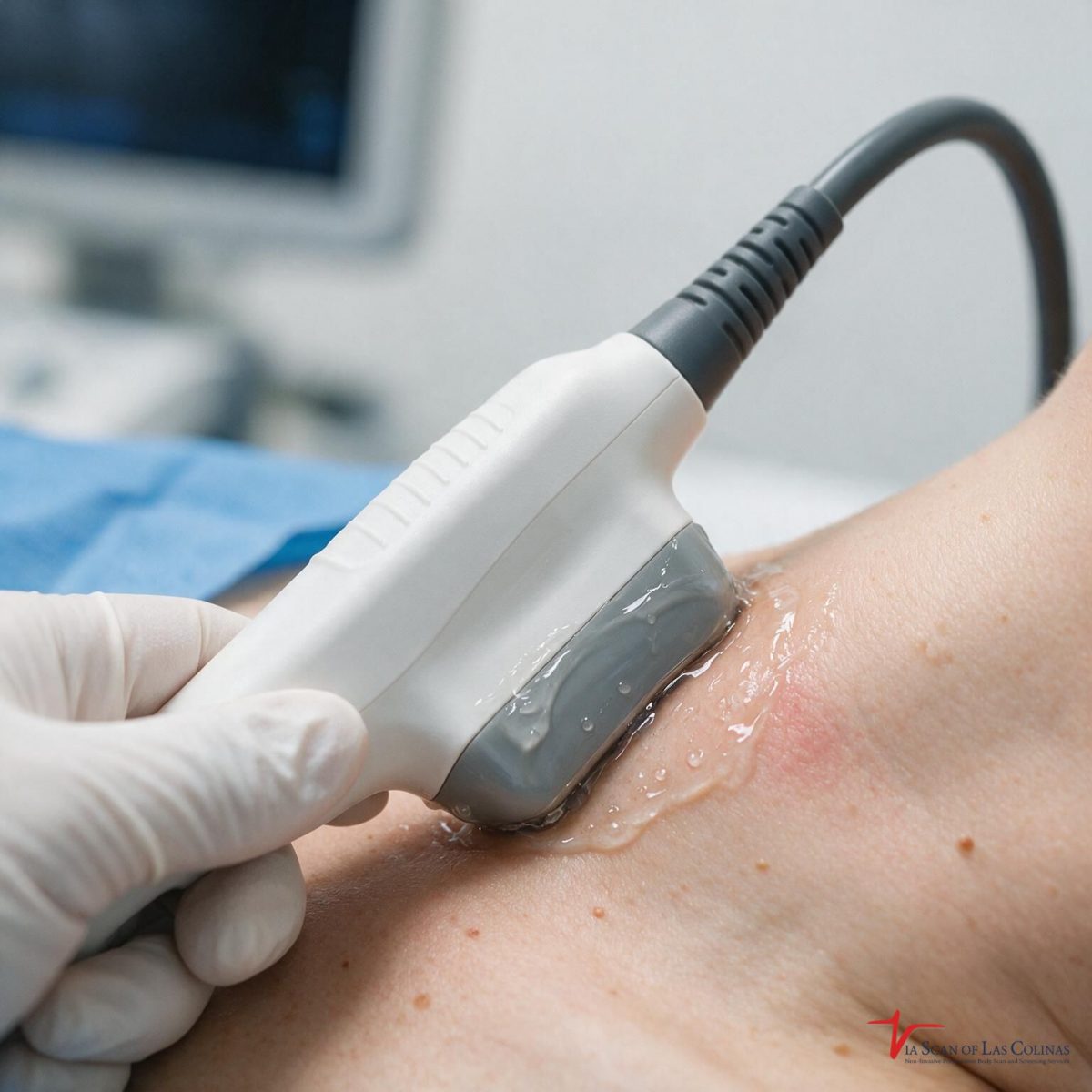
Also known as sonography or ultrasonography, ultrasounds are imaging exams. An ultrasound uses high-frequency sound waves to make pictures of inside organs.

  • PET/CT scans, or Positron Emission Tomography and Computed Tomography. 
  • Breast imaging (Mammography)

The doctor uses a form of x-ray called a mammography to evaluate women for breast cancer.

How do you Get a Full Body Scan?

Full body scans are comprehensive diagnostic procedures used to identify a variety of health concerns. They are typically carried out at a hospital or specialist outpatient clinic. Combines X-ray pictures captured from various angles to create slices or cross-sectional views. With the slices, your doctor can see your body in three dimensions. It is quite simple and quick to prepare. Your doctor would likely advise you to fast for a few hours before the surgery. Depending on what your doctor wants to look at, it can take two or six hours. Consult your nearby scanning facility to get your full body scan.

Are Full-Body Scans Worth it?

Full body scans have proven advantageous for the global community, enabling people to preserve their health and avert illness. It is preferable to control problems early rather than treat them later. Having yearly cardiac scans can also prolong life. Therefore, looking for good scanning centers nearby is a great idea to take preventative steps and take care of your health. Full body scans also provide a thorough insight into how your body is doing, urging you to make healthy lifestyle changes; after all, your health is worth everything.

Where can I Get a Full Body Scan?

A complete body scan service might be deemed the best for a person based on a variety of factors, including the most important one, location. When looking for a scanning service, it is best to look for one that is nearby. This can save you a lot of money and time. Additionally, being close to your place of business might simplify routine examinations by reducing the need for you to make lengthy trips for your scanning needs. 

Conclusion

The completion time of a full body scan may vary depending on several factors, including the imaging center’s policies and the tools used. However, the benefits of having these wellness body scans, which include in-depth assessment and early detection, far outweigh any worries about the potential length of time. A lovely alternative for receiving full body scans every few months is Via Scan of Las Colinas. This guarantees that your body is free from illness, and if it is, the patient is contacted first to discuss the course of treatment and other considerations.


What-is-the-pain-under-the-ribs-above-the-stomach-1.jpg
14/Dec/2023

Pain under the ribs above the stomach can be caused by a range of conditions, from simple digestive issues to more serious concerns like gallstones or liver problems. The location, intensity, and timing of the pain often provide important clues. In this guide, we’ll explain the most common causes, when to worry, and when you should consider a diagnostic scan. Continue reading to learn more about potential causes of pain in this part of the body and why a visit to the doctor is necessary. Full Body Scan by ViaScan, a certified scanning facility, provides you with answers to your most concerning questions and helps you embark on a healthier and better standard of living.

Common Causes of Pain Under the Ribs Above the Stomach

Pain in this area can originate from multiple organs and systems within the body. While some causes are temporary and harmless, others may require further evaluation to rule out underlying conditions.

Common causes include:

  • Digestive issues: Conditions such as acid reflux, gastritis, or gas buildup can lead to discomfort in the upper abdomen.
  • Gallbladder problems: Gallstones or bile duct obstruction may cause sharp pain, especially on the right side.
  • Liver conditions: Inflammation, fatty liver disease, or infections like hepatitis can result in tenderness under the right rib cage.
  • Pancreatic inflammation: Pancreatitis may cause persistent pain that can radiate toward the back.
  • Muscle strain or rib injury: Physical activity, heavy lifting, or trauma can lead to localized pain in the rib area.

Because several vital organs are located in this region, identifying the exact cause based on symptoms alone can sometimes be challenging.

Why is my Stomach Pulsating?

There are a number of benign and maybe more dangerous reasons for a pulsing or fluttering feeling right under the rib cage. lump between rib cage above stomach A pulsing stomach may be caused by gases trapped in the intestinal tract or by indigestion. Sometimes, particularly following eating, the constant motion of food in the gastrointestinal tract during digestion can be sensed as a pulsing feeling.

An abdominal thoracic aneurysm, a bulge in the body’s major artery would be a reason for more worry. This can burst and result in potentially fatal internal hemorrhage. Unusual feelings may also result from a spleen that is larger pressing on other organs, such as the stomach. lump in the middle of the chest between ribs If you have any associated symptoms, such as aching muscles, swelling, feeling sick, discomfort in the back, or fever, you should consult a doctor every once. Probiotics, without a prescription antibiotic, or dietary modifications may help reduce gastrointestinal discomfort in mild instances.

Pain in Upper Right Abdomen Under Ribs: Causes

A number of organs behind the right rib cage, such as the pancreas, liver, bile duct or right renal may cause discomfort if they become swollen or sensitive. Excruciating pain beneath the right rib cage that may extend to the right shoulder or back might be caused by gallstones obstructing a bile duct. Back discomfort that radiates from the abdomen is also commonly caused by pancreas inflammation an inflammation of the pancreas. Since the liver is situated directly beneath the right rib cage, discomfort and soreness under the ribs may be felt as a result of enlarged livers or infection from diseases like hepatitis or cirrhosis of the liver sickness.

Soft lump under right rib cage and discomfort in the right kidney can potentially be a sign of kidney stones or urinary tract infections. Pain under the right rib region that is usually innocuous can also be attributed to small injuries caused by the ribs themselves or to irritation of the muscles in the soft tissues holding the ribcage from hard lifting, stretching, or vigorous activity. Watch for symptoms such as fever, nausea or vomiting, jaundice, or a shift in urine color, since these would necessitate a visit to the physician for assessment.

Location Possible Cause
Right side Gallbladder, liver
Left side Spleen, gas
Center Acid reflux, gastritis

Which organ is under the right breast?

A substantial amount of the upper right abdominal region is occupied by the liver, which is located just beneath the right ribcage and chest region. As was previously indicated in relation to the origins of painful sensations under the right ribcage, discomfort or tenderness beneath the breastbone on the right region may be felt as a result of any illness that produces inflammation, growth, or blockage of the ducts that carry bile in the gallbladder. If you have inexplicable discomfort in this area together with concerning symptoms like fever, vomiting, bowel movements that are uncontrollable, yellow eyes or the skin. or bloating in your abdomen, you should always get in touch with your doctor. These can point to a severe liver problem that requires immediate assessment.

What Organ on the Left side under Ribs?

The liver, spleen, abdomen, left kidney, pancreatic tail end, the bottom of the left side of the lung, and a portion of the large intestinal tract are a few important organs that are situated under the left ribs. Discomfort associated with the spleen itself is rather rare because of its protective location elevated on the left side behind the lower ribs; it usually happens only when it swells significantly from diseases and illnesses like malaria.

Also in most cases, organs such as the stomach, pancreas, or intestines are blamed for pain under left rib cage. Sometimes the ache behind the left rib cage might be felt as a radiating symptom of constipation, along with symptoms of heartburn, gas, and reflux. An additional source of discomfort, particularly during intense activity, might be muscular tension or soreness in the area known as the diaphragm across the left rib cage. If you have left-sided rib discomfort along with any other worrisome symptoms, such as back pain, nausea, high temperature, or breathing difficulties, be alert.

If you’re experiencing pain specifically on the left side, read our detailed guide on left rib cage pain to better understand possible causes and when to seek further evaluation.

What organ is under your right rib?

The liver is the most noticeable organ covered by the right rib cage in women. It carries out crucial tasks such as creating bile, which aids in the digestion of fats, eliminating waste and pollutants from the blood, and preserving specific nutrients and vitamins that are necessary for good health. The liver, which is located just below the right ribcage, may develop, and get inflamed under certain circumstances, resulting in discomfort and soreness there. Splenic cyst or a cyst on spleen, Viral hepatitis ailments, fatty liver disease, which is caused by excessive consumption of alcohol, and disorders involving bile flow restriction such as gallbladder stones are among the possible causes.

Less frequently, diseases like mononucleosis may trigger the spleen, an organ normally tucked upward on the left side beneath the ribs, to grow and become so painful that it stretches downward sufficiently to bring about soreness under the right ribcage. lump between the rib cage above the stomach This is a condition known as splenomegaly and may need to be evaluated for fundamental blood diseases or liver issues that are forcing the spleen to work harder to filter more blood cells. Splenomegaly can manifest as discomfort or a fullness beneath the rib cage; it generally affects the left side more than the right, although it can also affect the right side if the ribs are noticeably enlarged.

Right vs Left Side Pain: What’s the Difference?

The location of pain under the ribs often provides important clues about its origin.

  • Right-side pain is more commonly associated with the liver, gallbladder, or bile ducts. This type of pain may feel sharp or radiate toward the shoulder or back.
  • Left-side pain is often linked to the stomach, spleen, pancreas, or intestines. It may present as a dull ache, pressure, or discomfort related to digestion.

If you’re experiencing pain specifically on the left side, read our detailed guide on left rib cage pain to better understand possible causes and when to seek further evaluation.

While location can be helpful, it’s important to remember that symptoms can overlap. Pain may also radiate or feel different depending on the underlying issue.

Symptoms You Should Not Ignore

Although many causes of rib and upper abdominal pain are not serious, certain symptoms may indicate the need for prompt medical attention.

Be mindful of the following warning signs:

  • Persistent or worsening pain
  • Fever or chills
  • Nausea or vomiting
  • Unexplained weight loss
  • Yellowing of the skin or eyes (jaundice)
  • Difficulty breathing or chest discomfort

According to John Duncan, Ph.D., symptoms that persist or evolve over time should not be overlooked, as early-stage conditions often present subtly before progressing.

Recognizing these warning signs early can help ensure timely evaluation and better health outcomes.

When Should You Consider a Diagnostic Scan?

In many cases, mild discomfort may resolve on its own. However, when symptoms are persistent, unclear, or recurring, further evaluation may be necessary.

You may consider advanced imaging if:

  • Pain continues despite lifestyle or dietary changes
  • The cause of discomfort is not clearly identified
  • You have a family history of digestive or cardiovascular conditions
  • Symptoms are accompanied by other warning signs

Advanced CT imaging can provide detailed insights into internal structures, helping identify:

  • Early-stage abnormalities
  • Organ inflammation or enlargement
  • Potential underlying conditions that may not be visible through routine exams

As John Duncan, Ph.D. emphasizes, early detection plays a critical role in understanding health risks before they become more serious concerns.

At ViaScan, advanced imaging is used to support early detection and provide individuals with a clearer picture of their internal health.

Choose Our Full Body Scan

Early Detection Saves Lives!

    • Accurate
    • Quick Result
    • Affordable

Image

Conclusion

Pain under the ribs above the stomach can have a wide range of causes, from minor digestive discomfort to more complex internal conditions. Paying attention to the location, severity, and duration of symptoms can provide helpful insight, but it may not always be enough to determine the exact cause.

When symptoms persist or remain unclear, seeking further evaluation is an important step toward understanding what your body is signaling. Early awareness and timely investigation can make a meaningful difference in long-term health.

This content is for informational purposes only and should not be considered medical advice. ViaScan provides advanced diagnostic imaging services designed to support early detection and health insights, but does not provide medical treatment.

FAQS

Can rib pain come and go, or should it always be constant?

Yes, rib and upper abdominal pain can be intermittent. Some conditions such as gas, reflux, or mild digestive issues may cause pain that comes and goes. However, recurring or worsening pain should be monitored and evaluated if it persists over time.

Can stress or anxiety cause pain under the ribs?

Yes, stress and anxiety can lead to muscle tension, shallow breathing, and digestive changes that may contribute to discomfort under the ribs. However, it is important not to assume stress is the only cause without proper evaluation.

Is rib pain always related to the stomach or digestive system?

No. While digestive causes are common, rib pain may also originate from muscles, bones, lungs, or internal organs such as the liver, spleen, or pancreas. Symptoms alone may not always clearly indicate the cause.

Why does rib pain sometimes feel worse after eating or lying down?

Pain after eating is often related to digestive conditions such as acid reflux or stomach irritation. Pain that worsens when lying down may be influenced by posture or pressure changes in the abdomen.

Can internal conditions exist without strong or obvious symptoms?

Yes. Some internal conditions develop gradually and may not present strong symptoms early on. This is why early evaluation and diagnostic imaging can be important in understanding underlying health issues.

How do doctors usually investigate unexplained rib or abdominal pain?

Doctors typically begin with a physical examination and medical history. Depending on symptoms, they may recommend blood tests or imaging such as CT scans or ultrasound to examine internal organs more closely.

When should rib pain be evaluated with imaging?

Imaging may be recommended when pain is persistent, recurring, unexplained, or associated with risk factors or warning signs. CT scans or other imaging methods help provide a clearer view of internal structures.

Can rib pain indicate something serious even if it feels mild?

Yes, mild or dull pain may sometimes be linked to underlying conditions. Pain intensity does not always reflect severity, so persistent discomfort should not be ignored.

How to Relieve Gas Pain Under the Ribs

Gas pain can be relieved by walking, drinking warm fluids, using a heating pad, and avoiding gas-producing foods.