
How Long Does It Take to Pass a Kidney Stone?
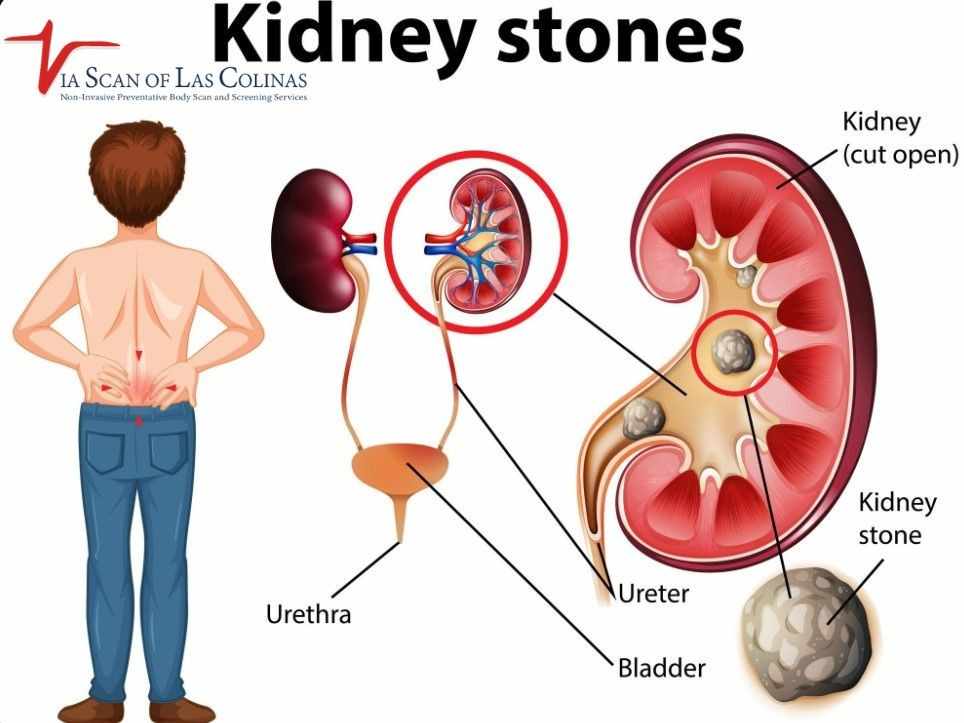

The pain caused by kidney stones can be severe and varies depending on the individual and the stone’s characteristics. The first question people will pose is: How long does it take for a kidney stone to pass? The response is relative, just like in the case of individuals, and it depends on a number of factors such as the size and the position of the stone. The knowledge of the influence of passage time will allow you to determine what to expect and when to consult professional imaging. For individuals who need imaging to assess kidney stones, advanced CT scans can accurately identify and track the kidney stones’ size and location along the urinary tract.
What is the average time for a kidney stone to pass?
The duration of passage of a kidney stone is largely determined by the size and location of the stone. Small stones that are less than 4 millimeters tend to pass in one to two weeks. Stones between 4 and 6 millimeters may take two to three weeks or longer to pass. Stones larger than 6 millimeters typically require medical treatment and rarely pass on their own. There are those that come out in only a few days, and others take weeks. The vagaries of the schedule render professional control significant. The affordable CT scan services at ViaScan in Irving are used to monitor the movement and size of stones, and give a clear picture of whether the natural passage is probable or whether further medical examination is required.
What Determines How Quickly a Kidney Stone Passes
- Stone size- smaller stones will move faster than bigger stones.
- Presence of a stone in the urinary tract.
- Anatomical and size differences in the ureters of individuals.
- Fluid and hydration status.
- Movement patterns and physical activity.
- Stone composition (e.g., calcium oxalate, uric acid)
- Past history of kidney stones.
- Urinary tract constriction or obstruction.
What is the impact of the size and location of a kidney stone on the passage time?
The largest predictor of how long does it take for a kidney stone to pass is the stone size. The stones less than 2 millimeters in diameter are typically passed in a few days with little pain. Average durations of 2-4 millimeters have a duration of one to two weeks. Stones that are between 4-6 millimeters are estimated to have a 50 percent probability of coming out spontaneously in three to four weeks. Stones bigger than 6 millimeters hardly pass without any intervention. Place is also important,–stones in the kidney take a longer time to reach the bladder than those already in the ureter. The CT scan technology used at ViaScan provides an accurate measurement of the size of stones, and also the location of the stones, hence planning the scan should be accurate. The affordable CT scan operation can be seen as an opportunity to provide Irving residents with professional monitoring.
What are the signs that a kidney stone is moving or is going to pass?
The changes in the location of pain are usually an indication that a stone is passing along your urinary tract. The pains beginning in the back or side and sweeping to the groin area are an indication that the stone is descending through the ureter and towards the bladder.
The urgency and difficulty to urinate, which is then followed by real urination, could be a sign of the stone approaching the bladder. Temporary relief often occurs once the stone enters the bladder, as the bladder is more distensible than the narrow ureter. But with fresh pain, we can get where the stone comes out of the bladder and through the urethra. The knowledge of these patterns will make you aware of when you are making progress on the passage. The corresponding services offered by ViaScan include the full body wellness scan and CT scan, which give a close-up image of the location of your stone.
Common Warning Signs
- Acute pain, which radiates in the back or side and into the lower abdomen and groin.
- Urgent and frequent urination.
- Painful urination.
- Urine of pink, red, or brown color with evidence of blood.
- Blurred or smelly urine.
- Pain changes with associated vomiting or nausea.
- Fever or chills are evidence of a possible infection.
When Pain Patterns Change
Suddenly intensified pain can indicate that the stone is lodging in a small section of the ureter. New lower abdominal discomfort indicate that the stone has passed through the ureter and into the bladder.
A sudden, sharp pain during urination may indicate the stone is passing through the urethra, often the final stage before complete expulsion. Nevertheless, others feel very little pain during the process, and others end up feeling very uncomfortable for weeks. The CT images can be reviewed by licensed radiologists at ViaScan to identify the position and movement of the stones, which is more comfortable in instances where the symptoms are unclear or inconsistent.
Is there a way to accelerate the natural passage of a kidney stone?
You cannot make a kidney stone pass on some timeline, but there are a few measures that can be taken to help smaller stones pass on their own. Drinking plenty of water- at least 8-12 glasses a day- will clear out your urinary tract, and may possibly increase the speed of the passage of stones. Exercise and movement of the body, which involves walking, can aid in the passage of stones along the urinary tract. The methods can only succeed with small stones, however, which are already likely to be passed naturally. The duration of kidney stone passage using these methods is still highly varied. Professional imaging at ViaScan gives you the necessary information as to whether or not your stone is a candidate for natural passage or in need of medical intervention for safe removal.
Hydration and Movement Tips
- Drink water regularly during the day, no longer only when you are thirsty.
- Goal: clear or very pale yellow urine as an indicator of hydration.
- Avoid caffeine and alcohol, which can cause dehydration.
- Keep track of the fluid consumption to guarantee a sufficient level of hydration.
Dietary Options
Other medical practitioners prescribe citrus juices and citrus fruits containing citrate that can be used to prevent the formation of stones. Restricted sodium intake is beneficial in lowering calcium in urine. There is the possibility of avoiding high amounts of oxalates in food such as spinach, chocolate, and nuts based on the type of stone. But the food will not help a lot to increase the speed of passage of the old stones–they are more preventive. Professional consultation will make sure that dietary advice is in keeping with your type of stone and health condition.
Choose Our Preventive CT Scan
Early Detection Saves Lives!
-
- Accurate
- Quick Result
- Affordable

Conclusion
The benefit of knowing the schedules of passing kidney stones is to relieve expectations in an unpleasant situation. Although small stones may just pass out of their own accord within days to weeks, proper detection and observation will help you determine whether natural passage is on the right track or medical treatment is to be adopted.
The ViaScan in Irving, TX, deals with affordable CT scan services that offer detailed imaging of kidney stones. Our hi-tech technology steps measurement of stone size and monitors the location at different urinary tracts.