Womans-Spleen-Pain-symptoms-min-1-1200x800.jpg
12/May/2025

Abstract

In the present blog, we will go deeper into the topic of women’s spleen pain and causes, what it can feel like, why it may occur and when it is necessary to contact the doctor. Our attention will focus on what the symptoms of an enlarged spleen may look like, and the different causes of spleen pain will be explained. The function of this so often overlooked organ will be discussed by you, you will learn the signal symptoms which may indicate something is incorrect, and you will find out how modern scanning techniques can detect any problems early on.

Introduction

Has that ever happened to you, that you felt strange pain in the left side of your ribs and had no idea what caused it? You are not alone! Right there is one of the body’s most undervalued organs: the spleen. Consider it a relatively humble colleague who arranges vital tasks without receiving notice. If there is a tendency for you to get any discomfort from this invisible organ, do not ignore it.

One doctor described the spleen as the middle child of your abdominal organs, rarely mentioned except for its important role in overall health. The region should be of special attention for women because awareness of what this pain indicates and knowing the causes of spleen pain can help avoid needless anxiety or elicit needed medical care.

What are the critical functions of your spleen?

Did you know that your body has a fist-sized organ lying under your left ribs, hiding there – the spleen? That is your spleen! Though it does not receive much attention, this organ plays a significant role in your body’s defence mechanisms as well.

Consider your spleen as a filter for your blood and a vault for your body’s cells. It:

  • Gets rid of and throws away outdated or useless red blood in your bloodstream.
  • Catches backplatelets and healthy red blood cells to use when we need them
  • Helps to defend against certain infections.
  • Helps your body recycle iron from old red blood cells.

You can live without your spleen if it is needed (doctors try to keep it as long as possible since it has important functions). While your body can cope by assuming the responsibilities, you will have more chances of having certain infections.

What causes spleen pain in women?

Some women complain of upper left abdominal ache, which a problem in the spleen could cause, but it is usually dismissed as originating from gastrointestinal or cardiac issues. Splenomegaly, the enlargement of the spleen, is often the main cause of complaints of pain in the spleen.

Research in the American Family Physician journal explicates that an enlarged spleen might develop, but it is not a disease; it is an extraneous manifestation of another illness (Chapman & Bandara, 2020).

Common Causes of Spleen Enlargement in Women

 The enlargement of the spleen might be caused by a variety of reasons, including:

Cause Category Specific Examples Relative Frequency
Infections Mononucleosis, bacterial endocarditis, malaria Very common
Blood disorders Anaemia, leukaemia, and lymphoma Common
Liver diseases Cirrhosis, hepatitis Common
Autoimmune conditions Lupus, rheumatoid arthritis Somewhat common
Trauma Injury, accident Less common
Cysts or tumours Benign or malignant growths Rare


What are the symptoms that your spleen may be causing you pain?

It is not uncommon for spleen problems to go unnoticed until symptoms worsen. However, certain warning signals can point to difficulties with the spleen.

Point out that the main symptoms of an enlarged spleen are:

  • Discomfort or fullness in the left upper side of the abdomen that may radiate to the left side of the shoulder.
  • Felling overfull long before or even with little food
  • Anaemia with fatigue and weakness
  • More frequent infections
  • Easy bleeding or bruising

How does pain due to the spleen manifest itself?

Some aspects distinguish spleen pain from ordinary discomforts;

  • Location: A little to the left and below the ribcage
  • Quality: It can present in the form of a sharp, dull, or achy type of pain.
  • Movement effects: Pain may worsen with deep breathing or changing into a specific body position.
  • Referred pain: A known traveller to and into the tip of the left shoulder.

When experiencing any of the following, an appointment with a healthcare professional should be made immediately. A CT scan can provide you with the root cause of these sudden severe pain that aggravates as you take a deep breath, spreading of the pain into the left shoulder, lightheadedness or dizziness and confusion.

When should you consult a doctor?

If you experience any of these symptoms, call your doctor immediately:

  • Severe pain in the upper left side of your abdomen.
  • Pain that gets worse when you breathe deeply.
  • Moving pain down to your left shoulder tip
  • Feeling lightheaded or dizzy
  • Confusion or difficulty concentrating

The issue of unaddressed splenic trauma reveals provocative risks to life, which is confirmed by the studies published in the Journal of Ultrasound in Medicine (Debnath et al., 2022). Occasionally, minor accidents may cause a severe injury to the spleen.

Can You Prevent Spleen Problems?

Although it is not possible to prevent all spleen difficulties, there are easy ways to reduce your risk.

  • Protect yourself from infections.
  • Get recommended vaccinations
  • Never forget to use your seat belt and wear sports safety equipment as prescribed.
  • The beneficial habits may help prevent problems with your spleen.
  • Book routine appointments to check your condition and prevent problems from worsening.

The Value of Early Detection

Early detection of the spleen problem makes treatment easier and could reduce the risk of complications or requiring surgery. Modern advancements in medicine and ViaScan’s advanced and up yo date CT scanning allow thsi. Remember that left abdominal pain is not always a sign of spleen issues; however, do not hesitate to approach a doctor if you experience pain together with other symptoms or if the pain is long-term and severe.

Self-protection of your well-being presupposes knowledge of your body, which means paying special attention to organs that are often neglected, such as the spleen.

Choose Our Preventive Heart Scan

Early Detection Saves Lives!

    • Accurate
    • Quick Result
    • Affordable

Conclusion: 

Even though the spleen is often forgotten, its significance to overall health is no small affair. Knowing about enlarged spleen attributes is not essential, though it helps to be aware of the common cases of pain in the spleen to recognise when you need medical attention and when there is a problem.

ViaScan performs a thorough body scan that enables one to identify health issues in advance, including possible spleen issues. CT scan can make you feel reassured or detect health issues early, giving you a better chance of being treated. It is wise to add a wellness scan to your health care routine, especially if you are at high risk because of conditions or family history and predispositions to the spleen.


Chest-X-ray-normal-vs-abnormal-Everything-you-need-to-know.jpg
10/Mar/2025

One of the most common imaging tests used to image lung and heart health is known as a chest X-ray. If you are having routine screening or experiencing persistent cough or chest pain, it is very important to know if the lung X-ray is normal or abnormal. A normal chest X-ray of females vs. abnormal may show subtle disease changes, such as infection, lung disease, or more serious conditions such as tumors. In this article, we will explain what to expect in normal and abnormal results of a chest x-ray, when further testing may be needed, and how to interpret a chest x-ray.

What Does a Normal Chest X-Ray Look Like?

X-rays of the normal lungs will show the lungs to be clear and well-inflated without any visible masses, fluid accumulation, or other abnormal opacities. It appears within the normal limits for heart size and shape, and the diaphragm is well-formed. The rib cage and spine bones and any that connect to them should be intact, and the bones should fit together properly. As in a normal chest X-ray female vs. abnormal, there are no apparent differences between a male and female chest X-ray. Though a normal chest X-ray female vs. normal may slightly affect the imaging contrast, radiologists need to inspect it in detail.

What Are Common Abnormal Findings in a Chest X-Ray?

Your doctor could request a chest x-ray if you have symptoms like wheezing, coughing, shortness of breath, persistent mucus production, etc. A CT scan may be ordered if the X-ray shows abnormalities or the doctor notices something in the image to help diagnose the condition. Chest scans might reveal a variety of situations, including heart failure, pneumonia, lung cancer, TB, sarcoidosis, pleural effusion, embolisms, emphysema, and lung scarring. 

Gefter, Post, and Hatabu’s study, “Commonly Missed Findings on Chest Radiographs: Causes and Consequences,” found that 30% of chests with unusual radiographic patterns needed more testing to uncover hidden lung conditions as they are misinterpreted or overlooked. During analysis of female chest X-rays, doctors commonly spot enlarged lung features combined with visual signs of abnormal shadows or diaphragm irregularities, which show potential disease markers.

How are Chest X-rays interpreted?

A normal lung X-ray, sometimes referred to as a chest radiograph, is the most common imaging test carried out in the US. The radiologist must be aware of what to look for and keep in mind the technical aspects that must be considered when examining the location of each device. A radiologist interprets the results of a chest X-ray by examining the black-and-white image and searching for anomalies in the heart, lungs, bones, and other chest structures. The radiologist then sends a report to your physician, who will talk with you about the results.

Can an Abnormal chest X-ray report or indicate lung cancer?

A chest X ray gives a detailed picture of the lungs so that doctors can detect small nodules or abnormalities suggesting cancer. LDCT is highly effective. The National Cancer Institute (2022) showed that LDCT reduced lung cancer mortality by 21% compared to chest X-rays.(Bonney & et al., 2022)  High-risk individuals have a safer and more convenient option in this noninvasive-scan which takes only a few minutes without using contrast dye. A low-dose CT scan is used to create an image of the inside of the body if lung cancer is suspected, and if the body is found to be abnormal, this requires further diagnostic tests to confirm the presence of lung cancer.

Choose Our Preventive Lung Scan

Early Detection Saves Lives!

    • Accurate
    • Quick Result
    • Affordable

Conclusion 

A CT scan or chest X-ray is chosen based on the symptoms and concerns the patient has. A chest scan can be recommended for patients with suspected structural heart problems or congenital heart defects or general heart screening by doctors. That can inform patients and doctors on the best way for them to diagnose if there is something wrong with the heart. ViaScan offers advanced, noninvasive heart scans to help you stay on top of your cardiac health if you are looking for reliable cardiac imaging.


What-are-the-four-signs-and-symptoms-of-a-rib-fracture.jpg
03/Feb/2025

A rib fracture is a painful injury and possibly a serious one caused by direct trauma, severe coughing, or secondary to medical conditions that weaken bone. This part of the body is very important for the protection of vital organs, and damage to this part of the body may greatly limit breathing and movement. Early identification helps to ensure timely treatment without any complications. To explore this blog, we are going to discover four key signs of a broken rib found in medical research and see how a CT scan can be used to confirm the condition.

How Does Chest Pain Indicate a Rib Fracture?

Chest pain is one of the most common and immediate signs of a rib fracture. The pain normally deepens with deep breathing, coughing, or movement. This is because the fractured rib may slightly shift, which will irritate the muscles and tissues around them. Rib fractures cause patients to be uncomfortable when lying on the side of the injured rib or when pressure is placed on the affected area, as listed by a study by Livingston et al. (2008). When ignoring persistent ‘chest pain’ should not be overlooked as it may show the presence of a severe injury that needs medical intervention. Usually, a fractured rib heals on its own; however, complications such as lung damage, pneumonia, or even death may occur if left untreated. Ice packs can be applied, pain medications can be prescribed, and medical evaluation is still indicated for the removal of discomfort.

Why Does Difficulty Breathing Occur?

In such cases, pain and inflammation surrounding the rib cage may make breathing difficult due to a fractured rib. When a rib is broken, Deep breaths are avoided naturally as the body tries to reduce discomfort. However, shallow breathing can cause pneumonia because expanded lungs are not being used adequately (Bulger et al., 2010). Seek medical help if breathing becomes too labored to the extent of pain. A CT scan may be suggested to see how bad the injury is and to rule out if any internal organs have been damaged. In severe cases, oxygen support or respiratory therapy is required to sustain the proper function of the lungs. Patients are often told to do controlled breathing exercises to combat lung infections and look after recovery.

Is Bruising and Swollen a Sign of a Fracture?

Additional rib fracture indicator symptoms include bruising and swelling over the injured rib cage area. Blood vessels around the broken rib are damaged, and when this happens, there will be localized discoloration and inflammation. In addition, chest pain may be further restricted by the presence of swelling. A doctor often uses a CT scan to distinguish between a rib fracture and another injury like muscle strain or contusions. This bruising may take a few days to develop fully, and the soreness around the area may last for weeks. They suggest the use of compression bandages or supportive wrapping to decrease movement and decrease pain. However, one should not try to tighten too much, as stretching your skin can cause more restrictions on breathing.

Choose Our Full Body Scan

Early Detection Saves Lives!

    • Accurate
    • Quick Result
    • Affordable

Image

Why Do Some People Experience a Cracking Sensation?

Others with a fractured rib tell there’s a cracking or grinding sensation over where it’s injured. This symptom (crepitus) occurs from the broken ends of the rib rubbing against each other. A break doesn’t always happen with this; however, it is a strong indication. More intensive medical care is required if a case involves multiple fractures or displaced ribs, as postulated by Bulger et al. (2010), and this may signal such sensations. The severity can be confirmed with a CT scan, and appropriate treatment can be chosen. If a patient feels crepitus, great caution should be taken not to move as much as possible and seek immediate medical attention to prevent further injury. Very severely displaced ribs may require surgery to stabilize them.

Conclusion

It is important to recognize the signs of rib fracture to avail timely medical attention. Persistent ‘chest pain,’ trouble breathing, visible bruising, and swelling of the rib cage should never be ignored, all of which can accompany the danger signals experienced previously by the patient. A CT scan is very useful in confirming the diagnosis and treatment. Seeking medical attention if you suspect a rib fracture is important to prevent complications. That’s why ViaScan offers highly advanced imaging services to diagnose rib fractures and other injuries effectively. Early detection can make a big difference in recovering and feeling overall well. Improving the chances of a full and smooth recovery from rib fractures can occur if symptoms are addressed promptly and appropriate medical advice is followed.


WhatsApp-Image-2024-09-19-at-12.23.25-PM-1-1200x800.jpeg
19/Sep/2024

Doctors use different kinds of diagnostic imaging tests to identify and diagnose illnesses. CT scans identify disorders that are difficult to read during physical examinations. CT scans are non-invasive. So, they are among the most used diagnostic imaging tests. Your abdomen holds many vital organs including the stomach, intestines, liver, pancreas, bladder, and kidneys. If you have symptoms, your doctor may recommend a CT scan. It may indicate a problem with your organs or tissue.  Like Lung scans, abdominal CT scans are quicker, usually taking less than 30 minutes to complete. Blurry images from movement might hinder doctors in diagnosing illnesses or infections.

What Is the Purpose of an Abdominal CT Scan?

A CT scan produces detailed pictures of the body’s internal organs, tissues, and blood vessels. CT scan images can be processed and viewed in various planes, including 3D. This is unlike typical X-rays. This facilitates clinicians’ ability to identify possible issues. Also, an abdominal CT scan helps doctors Direct biopsies and procedures in the abdomen. Plan and carry out cancer treatments, like chemotherapy and radiation. Arrange procedures and evaluate the outcomes of such procedures.

How long do CT scan results take?

The findings of your CT scan are typically available 24 to 48 hours after the scan. A radiologist will review your scan. They specialize in reading CT scans and other radiologic tests. They will also write a report that explains the results. In emergencies, such as at a hospital or ER, findings are frequently sent to medical staff within an hour. You will be contacted or scheduled for another visit when a radiologist and your healthcare provider have reviewed the results. You and your healthcare practitioner will talk about the findings.

Why Would Someone Require an Abdominal CT Scan? 

The main reasons for abdominal CT scans are unexplained pain and suspected illness of the internal organs. With the help of the latest Mobile CT scan, patients are given more convenience in taking charge of their health 

An abdominal CT scan can identify and diagnose: 

  1. Appendix infection 
  2. Internal organ cancer 
  3. Crohn’s disease 
  4. Internal organ injuries 
  5. Bladder stones and renal issues
  6. Pancreatitis

How long does it take to read a CT scan?

The time a radiologist takes to analyze a CT scan depends on a few factors. These include the scan’s complexity, the radiologist’s skill, and the findings being assessed. A radiologist’s assessment and report for a normal CT scan could take 5 to 15 minutes. Scans with multiple areas of interest may take longer, up to 30 minutes. The time needed can vary based on the context. For example, it may differ between normal evaluations and emergencies.

How long to get results from CT scan with contrast?

To improve soft tissue visibility, you may need a contrast agent, depending on the scan area. If your doctor orders imaging with and without contrast, a CT with contrast often takes longer than the non-contrast version. The benefit is that a better picture can help your doctor diagnose you more accurately. If you have it, drink eight glasses of water today. It will help flush the intravenous contrast out of your body. The findings will be sent to your doctor in less than 48 hours.

Choose Our Wellness Body Scan

Early Detection Saves Lives!

    • Accurate
    • Quick Result
    • Affordable

Conclusion

A CT scan takes around 30 minutes to complete and is quick and painless. Also, your doctor could use an IV to give you contrast dye. It would help them see your abdomen more clearly and find any issues. At ViaScan of Las Colinas, we aim to provide our patients with next-day appointments. We want to make their outpatient CT scan as quick and easy as possible. Our radiologists will work with your doctor. They possess the expertise to identify problems with rapidity. So they will create a personalized treatment plan.


2147763846-1.jpg
01/Jul/2024

A cardiac computed tomography (CT) scan is a technique that produces high-quality, three-dimensional (3D) pictures of your heart, major arteries, and surrounding structures by using numerous X-ray beams at different angles. Cardiac CT makes use of cutting-edge CT technology to more clearly see your heart’s anatomy and related blood veins, either with or without intravenous contrast (dye). Your healthcare professional can get high-resolution, three-dimensional pictures of your heart and major vessels with multi-slice scanning. This blog will look deeply into CT scan images and if a chest CT scan shows heart problems.

What would a heart CT be able to show?

An evaluation of the heart and accompanying blood vessels is done with a non-invasive, painless heart CT scan to look for any artery blockages or narrowing, as well as any issues with the heart’s pumping action that could point to potential heart disease. In a CT scan, an IV is used to provide a dye, commonly referred to as contrast. This scan helps identify a variety of cardiac diseases by enabling us to track the blood flow via blood arteries and the heart.

A heart or chest CT scan shows heart problems, and your medical professional will have access to:

  • Arteries in the heart provide it with blood. 
  • Heart muscles, valves, and chambers. 
  • Veins in the lungs. 
  • Abdominal aorta, as well as the thoracic aorta.
  •  Pericardium (Sac that surrounds your heart).

 Can a CT scan detect heart problems?

Your doctor may recommend a CT scan of your chest if you are showing signs of heart disease. When diagnosing cardiac illness, a CT (computed tomography) scan is the recommended approach and is a highly common operation. Traditional metrics for risk factor levels include cholesterol and blood pressure. Researchers concurred that a CT scan would be a more accurate predictor of risk than other methods. A physician can use this to determine whether there are any health issues affecting the organ or the blood vessels around it. Chest CT scan shows heart problems, including:

  • Anomalies in the congenital heart 
  • Determining one’s heart attack risk 
  • Examining the fluid in the sac that surrounds the heart, measuring the heart’s pumping efficiency, and looking for signs of plaque accumulation and coronary artery constriction, which medical professionals refer to as coronary artery disease.  
  • Anatomy of the heart to look for indications of a heart attack, such as scarring on the heart muscle 
  • Identifying anomalies in the big boats 
  • Determining if a post-operative coronary artery bypass graft is still open

 Does a chest CT scan show heart blockages?

For best results, a heart blockage must be discovered early. There are several methods for identifying heart blockages. Start with a routine examination and let your doctor know that you’ve been experiencing cardiac problems. The complete heart and the blood arteries around it may be seen on a CT scan of the heart. It may also demonstrate artery-clogging calcium accumulation that obstructs blood flow. Physicians may refer to this as a heart CT scan for calcium scoring or coronary artery calcium scoring. Physicians may occasionally recommend coronary angiography, an invasive technique that involves injecting a contrast dye directly into the arteries to reveal any blockages.

 Can a CT scan show a heart attack?

A chest CT scan, also known as a heart screening or heart scan, is a medical procedure used to identify calcium deposits in the plaque of individuals suffering from heart disease. They are a useful tool for detecting atherosclerosis before symptoms appear. Studies have shown that a chest CT scan can show heart problems, and with early detection, preventative measures can be taken. You have more coronary atherosclerosis and more coronary calcium you have. This increases your risk of developing cardiovascular issues later on. It’s crucial to keep in mind that a CT scan cannot accurately forecast events like a heart attack since certain types of coronary disease do not manifest in this way. To get more precise images of the arteries in your heart, your doctor could also request a coronary CT angiography (CTA) in addition to a CT scan.

Can a CT scan detect blocked arteries?

CT scans have demonstrated their value as a diagnostic tool throughout time for evaluating arterial health, identifying heart blockages, and identifying other vascular health problems. The arteries supplying the heart with blood are examined with a CT scan. It creates cross-sectional pictures of the heart and blood arteries using X-rays. The CT scanner provides digital data by taking a succession of X-ray beam pictures around the heart. The data is processed by a computer to produce cross-sectional images, also known as heart slices. Sometimes, a contrast agent, an iodine-based dye, is injected into the circulation to improve the pictures.

Choose Our Preventive Heart Scan

Early Detection Saves Lives!

    • Accurate
    • Quick Result
    • Affordable

Conclusion

Early detection and the findings of your chest CT scan help physicians to identify heart diseases and take preventative measures. The test’s outcomes will determine the precise recommendations. There might not be any modifications to your existing treatment regimen. Your doctor could, however, advise you to alter your diet and exercise regimen. Not only may leading a healthy lifestyle prevent heart disease, but it can also mitigate its symptoms. In certain instances, medical professionals advise doing further testing to validate the results of the CT scan. It’s now simpler than ever to take charge of your health thanks to Via Scan Of Las Colinas chest CT scans and calcium score testing provided in Las Colinas.


mobile-ct-scan-1200x643.jpg
06/Dec/2023

Severe symptoms such as dyspnea, tummy pains, and ongoing headaches occur. To find the issue, your doctor sends you for a CT scan. However, depending on where you live, going to the closest imaging facility or hospital could take a lot of planning and time. Does going for a mobile service provide you with an additional choice for urgent CT diagnostic testing?  The specialists at ViaScans invite you to the world of mobile CT scans.

A mobile CT scan delivers state-of-the-art imaging diagnostics directly to your location for prompt results. However, the expenses you anticipate from employing mobile CT services instead of traditional service providers might be shocking. Does insurance cover on-site mobile scanning, or is it too expensive? We will answer all your questions here in this post. Keep reading for a better understanding.

 CT Scan.

Computerized tomography, or CT scans, especially for those unfamiliar with sophisticated health imaging technological advances, provide finely detailed descriptive pictures of the body’s interior structures using specialist X-ray machines and computer programs. Compared to traditional X-rays, CT provides a clearer image of soft tissue, major organs, bones, and blood arteries and veins. Physicians often request CT tests When indications point to problems such as diseases, malignancies, bone fractures, bleeding, or additional abnormalities in the head, chest area, stomach, pelvis, limbs, etc. When treatment is required, early issue detection ultimately results in the highest results and survival rates.

Regretfully, for patients in distant places to access this crucial diagnostic testing, most hospitals and imaging facilities with CT capability need to arrange for substantial transportation and logistics.

Direct Access to Modern Treatments

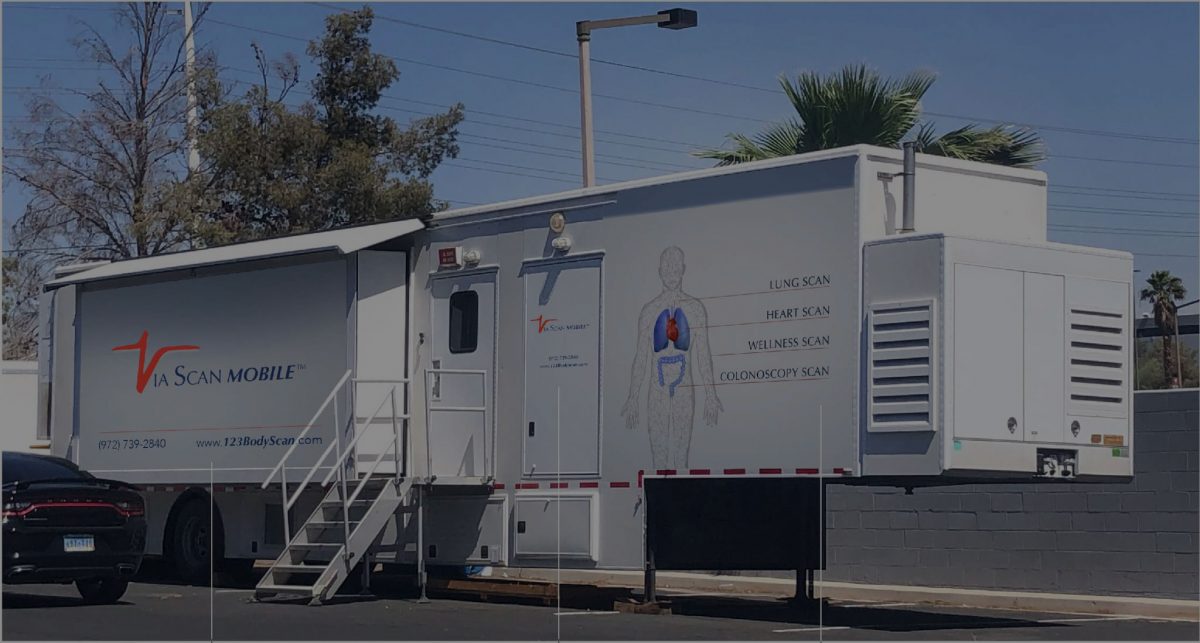
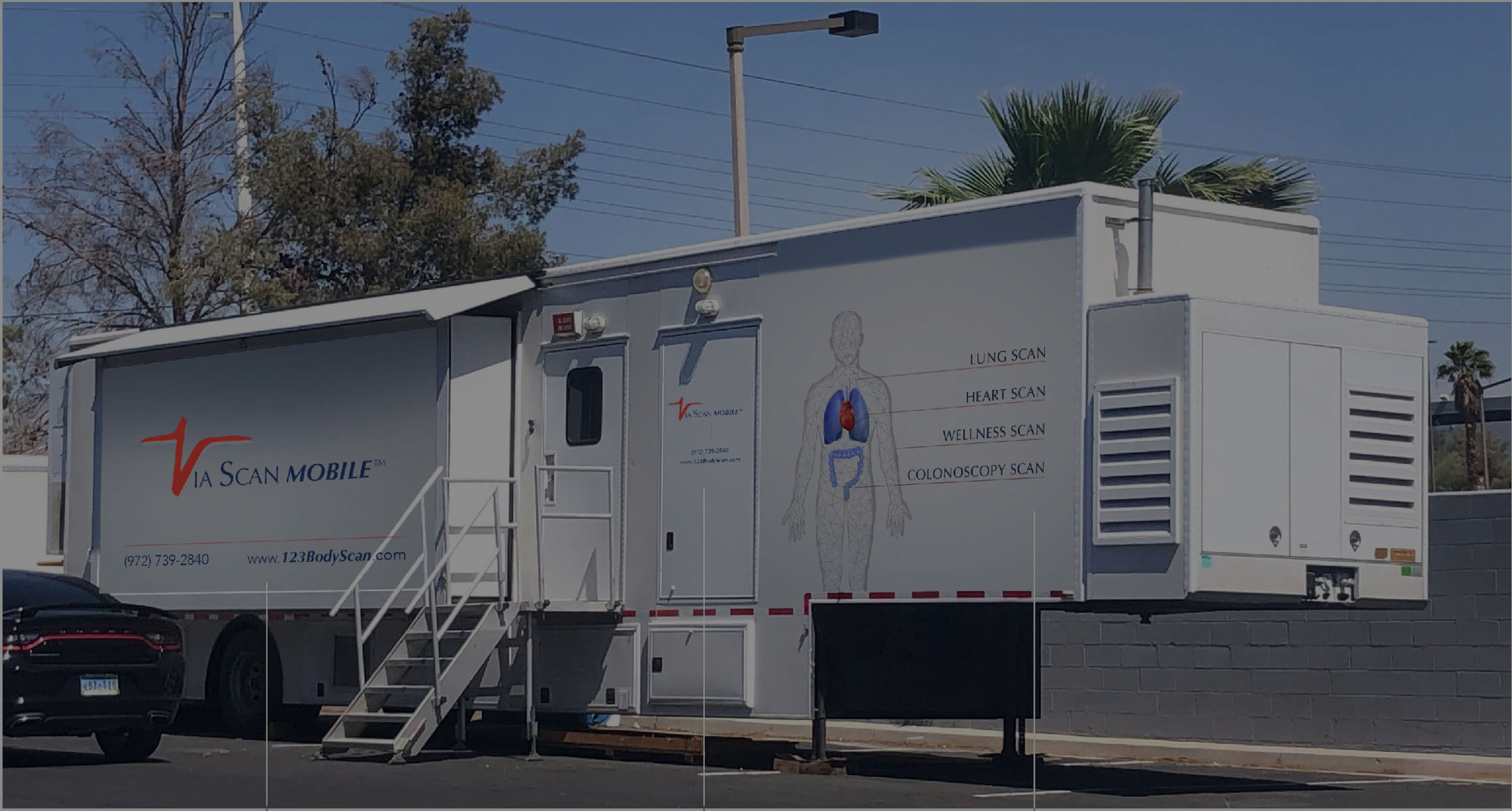
With ViaScans, a Modern, portable CT apparatus is sent straight to a patient’s residence, place of employment, care establishment, or other chosen location for mobile CT scanning. Specialized vans carry all the equipment required for on-site CT scanning and examinations. Among the advantages of mobile CT scans are:

  • Facilitation: the test is conducted at the patient’s place of choice
  • Speed – rapid imaging and diagnostics against facility delays
  • Ease: remains in a familiar setting as opposed to a hospital
  • Adaptability: longer hours than in traditional clinics

But what expenses are involved in providing you with such cutting-edge technology? How much a CT scan cost?  Let’s dissect it together.

What is the cost of a CT Scan?

A CT scan’s precise cost will vary depending on several variables, such as the location of the procedure and the body portion being examined.  The national average CT scan cost might vary from $300 to $6000 across the US. Scan costs might reach $20,000 in certain cases. An ordinary X-ray can cost up to ten times as much as a CT scan.

  • Computed tomography (CT) scans are a non-invasive, painless diagnostic procedure that provides images of the inside organs.
  • On average, a CT scan might cost anything vary from $300 to $6000 across the US. Numerous factors, such as the location of the service and the body region scanned, will affect your pricing.
  • Certain health plans may cover authorized CT scans. You could still be responsible for out-of-pocket expenses like deductibles, copays, and coinsurance.

How much does a CT scan cost with Insurance?

Rigorous network protocols regulate the services that policyholders can access that are covered by healthcare coverage. Although some outside-of-the-network cost coverage is offered by insurance providers, using an out-of-network provider may increase your costs. Financial difficulties come when you are saddled with a bill for a CT scan that costs several thousand dollars.

Your health plan will determine the precise cost of the CT scan. Some can pay nothing at all. However, some health plans could have a charge or deductible that you must pay before they would cover the expenses of treatment. Ask your insurance company the following to make sure you get the whole benefit coverage:

  • Your health plan covers CT scans and other imaging tests.
  • Any taxes or copays are your responsibility.
  • It requires prior authorization in advance.

Your health plan allows you to select imaging centers and determine your fees based on the treatment location.

How much is a CT scan without Insurance?

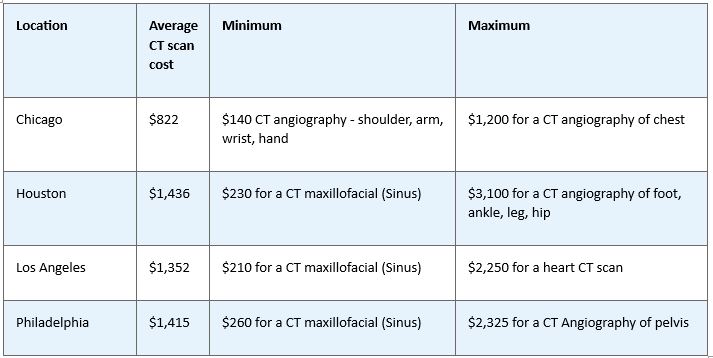
When a CT scan is required but insurance is not, the whole cost of the bill must be paid out of cash. Medical facilities centers usually bill uninsured patients the entire gross sum instead of the insurance company’s reduced budgeted rates. Independent CT scan costs falling into these broad categories are published by many medical cost estimator websites:

Here are some Average CT scan prices with or without contrast from across the U.S.

CT scan

Despite comparable CT test categories, there is a great deal of variability due to important factors such as the kind of scan, the supplies and instruments used, the personnel involved, and the use of contrast dyes. However, selecting less expensive providers over huge healthcare systems is a chance for cash-paying individuals to reduce those costs significantly. Here is when working with professionals in mobile CT scans.

What is a Portable CT Scanner?

A tiny, movable, or mobile computed tomography (CT) scanning device that may be brought straight to a patient’s area for scans is known as a portable CT scanner. Here are some essential details regarding portable CT scanners:

  1. All of the essential components for CT imaging are housed in a dedicated car or trailer or moving van that safeguards the delicate equipment during transportation, which is how portable CT scanners work.
  2. Compared to permanent CT systems in healthcare facilities, they are substantially smaller; premium portable scanners may fit into a small space. Because of its small size, the imaging facility may be brought right to the patient’s location.
  3. Routine checks may be completed in minutes using portable CT scanners, offering exceptionally quick scan times to enable diagnosis and treatment planning.
  4. Individuals with limited mobility, those living in rural locations distant from imaging facilities, those receiving disaster aid when technology is damaged, or those for whom a prompt diagnosis is essential to formulating strategies for treatment are all good candidates for mobile CT scanning.

Modern portable CT scanners’ mobility, precision, and speed make it possible to provide this essential diagnostic imaging equipment to patients directly rather than vice versa. This enhances accessibility and results when clinically warranted CT scanning.

Choose Our Mobile CT Scan

Early Detection Saves Lives!

    • Accurate
    • Quick Result
    • Affordable

Image

Conclusion

It’s stressful and worrying enough when you or someone you care about needs an urgent CT scan; don’t add to the anxiety by worrying about how to get services and how much the bills will cost. But we take care of all those headaches with cutting-edge mobile CT scan scanners from ViaScan of Las Colinas, the industry leader. We deliver all the following directly to your place on your schedule: accuracy, speed, comfort, and convenience. Furthermore, thanks to our straightforward pricing strategy, there will be no uncertainty or unpleasant surprises later. To get precise rates customized to your needs, contact our scan professionals right now.